Current Waiting Times At Hearing First Cambridge Clinic
This Content Revised: 7 August 2026 at 07:00
Waxfree Guarantee™: Hearing First offers the Waxfree Guarantee™, a distinctive benefit available at our Cambridge clinic for eligible ear wax removal procedures.
We operate a dedicated specialist microsuction ear wax removal clinic in Cambridge, offering both Microsuction Earwax Removal and Manual Instrument Earwax Removal, delivered by experienced audiologists chosen by our founder, Jason Levy. In the local area, we are recognised as the ear wax removal specialists in Cambridge.
Although our base is in Cambridge, we welcome patients from surrounding counties and many nearby towns and villages, including Willesborough Lees, Repton Manor, Repton Park, Godinton, Singleton, Beaver Green, Newtown, South Willesborough, Mersham, Cheeseman’s Green, The Forstal, Smeeth, Hinxhill, West Brabourne, Brabourne Lees, Brook, Wye, Kempe’s Corner, Boughton Lees, Eastwell, Westwell, Ram Lane, Hothfield, Daniel’s Water, Chilmington Green, Maidstone, Kennington, Kingsnorth, Charing, Lenham, Smarden, Biddenden, Tenterden, Woodchurch, Lympne, Dymchurch, Shadoxhurst, Bethersden, Smarden, Westwell, Wye, Challock, Leaveland, Sheldwich, Chilham, Petham, Elham, Barham, Denton, Hawkinge, Newington, Aldington, Bonnington, Hamswtreet, High Halden, Great Chart, Canterbury, Hythe, Folkestone, Dover and New Romney.
Live Appointments and Current Waits in Cambridge
Current waiting times at Hearing First Cambridge vary according to the service you need, how urgent your symptoms are, and the amount of diary capacity available when you check. For many people, a routine ear wax removal appointment can be arranged within a short number of working days, while urgent blocked-ear cases may be reviewed sooner after telephone triage. Microsuction and manual ear wax removal do not move through the diary in exactly the same way, because each one needs different appointment lengths, clinician time, and equipment preparation. The most dependable way to understand availability is to use the live booking tool or ask for a triage review if your symptoms have changed. That is especially helpful if you are dealing with hearing loss, ear fullness, tinnitus, or discomfort and want a clear idea of when you are likely to be seen.
Published waits are estimates rather than promises, so they can shift when cancellations appear, bank holidays reduce capacity, staff take leave, or local demand rises unexpectedly. In practical terms, that means one patient may be offered a same-week slot while another waits a little longer for the right clinician or appointment type. If you need accessible parking, prefer a certain time of day, or rely on public transport, those practical factors can also influence the first available booking. A short telephone assessment with a qualified audiologist can help decide whether your case should remain in the routine queue or move into a more urgent pathway.
At-A-Glance Waiting Time Picture
Waiting times at Hearing First Cambridge are shaped by clinical urgency and by how much staff cover is available on the day. Urgent cases may be seen the next day, while routine appointments commonly fall between three and ten working days. Our booking system displays live estimates based on postcode demand and clinician rotas, giving patients clear, practical guidance they can use straight away.
Microsuction slots usually appear sooner than manual instrument appointments because they are quicker to deliver and easier to fit into the diary. We offer flexible scheduling to support people who depend on public transport or who need accessible parking. For exact availability, use the online portal or contact the clinic directly for immediate assistance.
How Average Waits Translate into Real-World Care
Waits differ because the length of the appointment and the resources needed vary by procedure. Microsuction is usually faster, so those sessions are scheduled more frequently and often carry shorter waits. Manual instrument removal calls for longer, more careful assessment and therefore fewer appointments per day. Follow-up hearing checks are planned around recovery and clinician advice, and their waits reflect the need to allow temporary symptoms to settle first. Holiday cover, clinician availability and local demand all influence these averages, and the booking portal is refreshed to reflect daily changes in schedules and cancellations.
| Type of appointment | Estimated Wait, Working Days | Clinical Note |
|---|---|---|
| Emergency Microsuction | 1-3 | For blocked ear with acute hearing loss or severe pain, telephone triage may secure next-day care |
| Planned Microsuction | 3-7 | High-volume morning clinics, good for maintenance and recurring wax issues |
| Manual Instrument Removal | 5-12 | Reserved for cases where microsuction is unsuitable, longer appointment time |
| Post-Procedure Hearing Check | 7-14 | Scheduled when thresholds need formal reassessment following removal |
These estimates come from recent booking trends and the amount of clinician capacity available. Using the online booking portal or joining a cancellation list can sometimes reduce your personal wait, because it allows you to take freed slots when clinicians return from leave or when another patient cancels at short notice.
Practical Steps to Bring Your Appointment Forward
Verified Contact and Booking Details
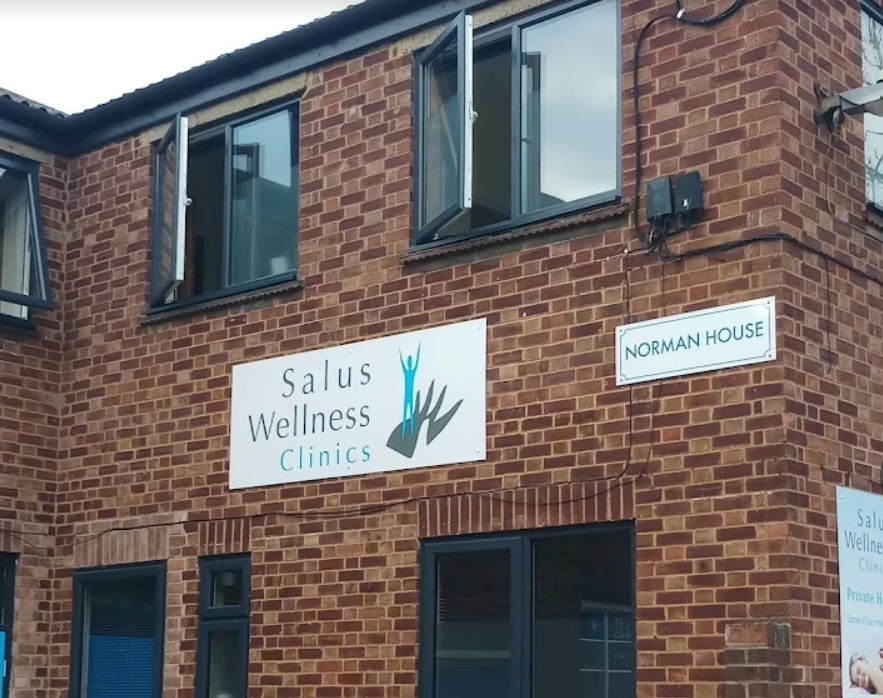
- Address: inside Salus Wellness, Norman House, Cambridge Pl, Cambridge CB2 1NS, UK (view on Google Maps).
- Telephone: 0800 133 7987.
- Official website: check current booking options and availability.
Place details are provided by Google Maps and should be checked before booking.
- Be precise with symptom details when booking, including onset, severity and associated signs such as discharge or dizziness, because accurate information helps clinicians prioritise safely and may lead to a quicker slot if urgency is identified.
- Consider routine maintenance plans for recurring wax, since scheduled microsuction at agreed intervals can reduce the need for emergency bookings and help future clinic demand feel more manageable.
- Join the clinic cancellation list where available, as this means you may be contacted if a same-day or earlier slot opens up, which is especially useful if you can attend at short notice.
- Use the online booking portal regularly to check live availability, because cancellations and locum cover can release earlier appointments, and being flexible with dates and times improves your chances of finding one.
- If symptoms worsen, request an urgent telephone reassessment, as clinical triage can reclassify your case and move you into an earlier clinic if needed.
- Book midweek or early morning where possible, as demand is often lighter at these times and clinical capacity can be higher, which often results in shorter waits than late-afternoon or Friday slots.
Taking these practical steps, including using the booking portal, joining the cancellation list and keeping symptom details up to date, can often shorten waits and improve the chance of finding a slot that suits your travel and mobility needs. If you are uncertain about urgency, telephone triage is the quickest way to clarify priority and next steps.
When You Should Contact Us Immediately
Contact us urgently if you experience sudden hearing loss, intense ear pain, active ear bleeding, or severe vertigo. These symptoms require immediate clinical attention and will be escalated in triage. For milder blockage without pain, routine booking is usually appropriate. Our team will explain interim measures and expected waits after triage.
Hearing First Cambridge Location Map (Cb2)

Using Triage Advice to Decide Whether to Wait or Seek Help Sooner
Recognising the Difference Between Routine and Urgent Symptoms
Sometimes the hardest part is deciding whether your ear problem can wait for a routine appointment. Mild blockage, wax build-up, and gradual muffling often fit a standard booking pathway. By contrast, sudden hearing loss, notable pain, discharge, or severe dizziness call for prompt reassessment. Triage exists so patients do not have to guess. It gives the clinic a structured way to judge risk and decide whether you should stay in the standard queue or be seen much earlier. That can be reassuring, especially if symptoms have changed since you first tried to book.
If your symptoms worsen after booking, contact the clinic again rather than waiting for the original date, because the priority level may need to change.
Safety-netting advice is part of good practice, and it helps patients know what to watch for while they wait. That may include avoiding cotton buds, keeping the ear dry if advised, and seeking urgent care if the symptom pattern changes. The aim is to prevent delay where delay would be unwise, while keeping routine appointments available for people whose needs are stable.
Cambridge Appointment Queue Guide
Hearing First Cambridge updates appointment availability to reflect clinician schedules, cancellations and local demand, helping patients understand the likely queue before they book. The waiting period can differ according to the care needed, with routine microsuction generally requiring a shorter appointment than manual instrument ear wax removal.
Clinical suitability is also considered before an appointment is confirmed. For example, people who wear hearing aids or have had recent ear surgery may need additional checks so the most appropriate ear wax removal route can be selected safely. Checking the online booking slots remains the most practical way to see current availability.
- Routine microsuction appointments are commonly available sooner than manual instrument removal appointments.
- Urgent symptoms are assessed through telephone triage and may be prioritised where clinically necessary.
- Follow-up hearing checks may be arranged after wax removal when hearing thresholds need reassessment.
Triage and Urgent Ear Care Pathways
Telephone triage helps the Hearing First Cambridge team identify the urgency of an ear care concern and direct each patient towards the safest booking pathway. During this assessment, clinicians consider symptoms, relevant medical history and factors that may influence whether microsuction or manual instrument removal is suitable.
Sudden hearing loss, severe ear pain, bleeding and vestibular symptoms such as significant dizziness need prompt clinical attention. If symptoms develop, worsen or change after you have booked, contact the clinic for a further assessment rather than waiting for a routine appointment. This may allow your priority to be reviewed in light of the new information.
- Explain when your symptoms began and whether they are getting worse.
- Tell the clinician about recent ear surgery, anticoagulant medication, inflammation or discharge.
- Follow the safety-netting advice provided and seek urgent help when advised.
Reasons Waits Fluctuate and What That Means for You
- Seasonal demand: winter often brings more ear infections and blocked ears, increasing clinical demand and adding days to routine microsuction waits.
- Clinician availability: certified audiologists are essential for safe wax removal, and staff leave, training or rotations change capacity and average waits.
- Type of procedure: manual instrument removal typically takes longer than microsuction, so fewer instrument slots are available each day, which can lengthen waits for that option.
- Urgent referrals: GP and ENT urgent cases are prioritised, and multiple urgent presentations can cause routine appointments to be rescheduled to meet clinical need.
- Equipment maintenance: microsuction units need scheduled servicing and calibration, and planned downtime can reduce throughput and temporarily extend waits for non-urgent bookings.
Understanding these influences helps you choose the most suitable booking route, for example requesting urgent telephone triage if symptoms change, or pre-booking routine care when the need is not immediate. Local transport and access, including free disabled parking, also shape patient preferences and slot availability. We publish guidance on expected waits and can suggest alternatives such as telephone advice or signposting to emergency ENT services when clinically appropriate.
Driving Directions to Hearing First Cambridge
- The Village Pharmacy - Microsuction Earwax Removal Service Cambridge to Hearing First Cambridge: approximately 4.5 miles and 16 minutes by car. The route typically begins: Head south-west on Church Ln towards High St; then Turn left onto School Ln; then Turn right onto Cambridge Rd. Open this route in Google Maps.
- Cornford House Surgery to Hearing First Cambridge: approximately 1.5 miles and 8 minutes by car. The route typically begins: Head north on Wulfstan Way towards Cherry Hinton Rd; then Turn left onto Cherry Hinton Rd Go through 1 roundabout; then Turn right onto Hills Rd/A1307. Open this route in Google Maps.
- Petersfield Medical Practice to Hearing First Cambridge: approximately 0.8 miles and 6 minutes by car. The route typically begins: Head north-east on Guest Rd towards Collier Rd; then Turn left onto Collier Rd; then Turn left onto Willis Rd. Open this route in Google Maps.
- Chauvanist to Hearing First Cambridge: approximately 0.4 miles and 2 minutes by car. The route typically begins: Head east on Brooklands Ave towards Hills Rd/A1307; then Turn left onto Hills Rd/A1307; then Turn right onto Cambridge Pl Destination will be on the left. Open this route in Google Maps.
- Quip & Curiosity to Hearing First Cambridge: approximately 0.6 miles and 4 minutes by car. The route typically begins: Head south-west on Tenison Rd towards St Barnabas Rd; then Turn right onto Station Rd; then Turn right onto Hills Rd/A1307. Open this route in Google Maps.
- Mile Marker to Great Saint Mary’s Church to Hearing First Cambridge: approximately 0.8 miles and 4 minutes by car. The route typically begins: Head east on Brooklands Ave; then Turn left onto Hills Rd/A1307; then Turn right onto Cambridge Pl Destination will be on the left. Open this route in Google Maps.
Distances, indicative journey times and route links are provided by Google Maps. Check live conditions before travelling.
Practical Planning for Patients Travelling to Cambridge
Making the Visit Easier If You Are Coming from Elsewhere
Waiting time is only one part of the booking decision. Travel planning also matters, particularly if you are coming from another part of Cambridge or from further afield in the wider CB2 area. Patients who rely on buses, lifts from family, or limited parking may prefer a specific time of day, which can affect the first available slot. If you need an accessible appointment, that should be discussed at the point of booking so the clinic can make realistic arrangements. In some cases, a small delay in timing is worth it if it means the appointment is easier and less stressful to attend.
- Choose a time that matches local transport if you are not driving, because missed buses can make a short wait feel much longer on the day.
- Allow extra time for parking or mobility support, especially if you need a calmer arrival and a short walk into the clinic.
- Bring any hearing aids or relevant paperwork, so the clinician can complete checks efficiently without needing another visit.
- Tell the clinic if you need a chaperone, interpreter, or additional assistance, as this can affect how the appointment is scheduled.
- Plan for the possibility of a follow-up hearing test, particularly if the clinician wants to confirm the effect of treatment on your hearing thresholds.
A realistic travel plan can make the appointment feel shorter and reduce the risk of late arrival, which helps keep the clinic diary moving smoothly for everyone.
Ways to Find an Earlier Appointment
Patients seeking an earlier ear wax removal appointment can improve their options by remaining flexible about the day and time of their visit. Online availability may change when cancellations arise or when additional clinical cover becomes available, so checking the booking portal regularly can be worthwhile.
Clear, accurate symptom information supports safe prioritisation. If a blocked ear becomes painful, hearing changes suddenly, or you experience discharge or dizziness, request a telephone reassessment. Routine demand should never prevent a clinically urgent concern from being reviewed through the appropriate triage process.
- Ask whether a cancellation list is available if you can attend at short notice.
- Consider an early morning or midweek slot where this suits your travel arrangements.
- Keep your contact details current so the clinic can reach you about a suitable earlier vacancy.
Average Waits, Quick Summary
| Appointment Type | Usual Wait (Working Days) | Notes |
|---|---|---|
| Urgent Microsuction (Blocked Ear) | 1-3 | Telephone triage may secure same-day slot when clinically indicated |
| Manual Instrument Removal | 5-10 | Longer assessment time, suitable where microsuction contraindicated |
| Follow-Up Hearing Checks | 7-14 | Scheduled after wax removal where indicated, to assess hearing thresholds |
| Routine Microsuction | 3-7 | Shorter slots, higher turnover, often morning clinics |
What to Bring and How to Keep Your Appointment on Time
Why Accurate Symptom Reporting Helps Shorten Delays
Good Information Leads to Better Booking Decisions
Accurate symptom reporting is one of the best ways to avoid unnecessary waiting. When you describe the problem clearly, the triage team can decide whether you need urgent microsuction, routine wax removal, or a different clinical pathway. That reduces the chance of being booked into the wrong slot and then needing a second appointment. It also means the clinic can reserve urgent capacity for patients who genuinely need it. In a busy service, that makes a real difference to how waits are managed across the week.
It helps to mention whether the symptoms came on suddenly or gradually, whether one ear or both are affected, and whether you have pain, discharge, tinnitus, or dizziness. You should also say if you use anticoagulant medication, have had recent surgery, or have a history of ear disease. These details are not small extras, they are part of the clinical picture. Clear information supports safer care and usually leads to a more suitable booking choice. That is often the fastest route to the right appointment.
Driving Directions To Hearing First Cambridge
- The Village Pharmacy - Microsuction Earwax Removal Service Cambridge to Hearing First Cambridge: approximately 4.5 miles and 16 minutes by car. The route usually begins: Head south-west on Church Ln towards High St; then Turn left onto School Ln; then Turn right onto Cambridge Rd. Open This Route In Google Maps.
- Petersfield Medical Practice to Hearing First Cambridge: approximately 0.8 miles and 6 minutes by car. The route usually begins: Head north-east on Guest Rd towards Collier Rd; then Turn left onto Collier Rd; then Turn left onto Willis Rd. Open This Route In Google Maps.
- Lensfield Medical Practice to Hearing First Cambridge: approximately 0.4 miles and 3 minutes by car. The route usually begins: Head east on Lensfield Rd/A603 Continue to follow A603; then Turn right onto Hills Rd/A1307; then Turn left onto Cambridge Pl Destination will be on the left. Open This Route In Google Maps.
- Chauvanist to Hearing First Cambridge: approximately 0.4 miles and 2 minutes by car. The route usually begins: Head east on Brooklands Ave towards Hills Rd/A1307; then Turn left onto Hills Rd/A1307; then Turn right onto Cambridge Pl Destination will be on the left. Open This Route In Google Maps.
- Quip & Curiosity to Hearing First Cambridge: approximately 0.6 miles and 4 minutes by car. The route usually begins: Head south-west on Tenison Rd towards St Barnabas Rd; then Turn right onto Station Rd; then Turn right onto Hills Rd/A1307.
Nearby Bus Stops and Public Transport
Nearest Bus Stops to Hearing First Cambridge
- St Paul's Road, approximately 0.1 miles from Hearing First Cambridge. View this bus stop on Google Maps. Walking directions from St Paul's Road to Hearing First Cambridge.
- Hills Road, approximately 0.1 miles from Hearing First Cambridge. View this bus stop on Google Maps. Walking directions from Hills Road to Hearing First Cambridge.
- Catholic Church, approximately 0.2 miles from Hearing First Cambridge. View this bus stop on Google Maps. Walking directions from Catholic Church to Hearing First Cambridge.
- Gonville Place, approximately 0.2 miles from Hearing First Cambridge. View this bus stop on Google Maps. Walking directions from Gonville Place to Hearing First Cambridge.
- Botanic Gardens, approximately 0.2 miles from Hearing First Cambridge. View this bus stop on Google Maps. Walking directions from Botanic Gardens to Hearing First Cambridge.
- Downing College, approximately 0.3 miles from Hearing First Cambridge. View this bus stop on Google Maps. Walking directions from Downing College to Hearing First Cambridge.
Nearest Rail, Tube and Tram Stations to Hearing First Cambridge
- Cambridge, approximately 0.4 miles from Hearing First Cambridge. View this station on Google Maps. Walking directions from Cambridge to Hearing First Cambridge.
- Cambridge South, approximately 1.6 miles from Hearing First Cambridge. View this station on Google Maps. Walking directions from Cambridge South to Hearing First Cambridge.
- Cambridge North, approximately 2.2 miles from Hearing First Cambridge. View this station on Google Maps. Walking directions from Cambridge North to Hearing First Cambridge.
Stops and stations are ordered by straight-line distance from the destination using Google Places coordinates. Place and walking-direction links are provided by Google Maps.