Live Car Park Occupancy Near Hearing First, Oxford - Nearby Parking Availability & Updates
Article Last Updated | 1 Feb 2026, 17:38
Waxfree Guarantee™: We are the only ear wax removal clinic in Oxford to offer the Waxfree Guarantee™, giving you added peace of mind when you visit for microsuction or manual removal.
We are the sole specialist microsuction ear wax removal clinic in Oxford, delivering both microsuction and manual instrument earwax removal carried out by our experienced Audiologists. Each practitioner is personally chosen by our founder, Jason Levy. In short, we are the ear wax removal experts in Oxford, trusted for safe, clinical care.

Our Botley location at Raleigh Park serves people from Jericho, Summertown, Wolvercote, Marston, Godstow, Park Town, Wytham, Yarnton, Worton, Elsfield, Beckley, Islip, Hampton Poyle, Kidlington, Eynsham, Stanton Harcourt, Hardwick, Northmoor, Kingston Bagpuize, Gozzard’s Ford, Abingdon, Radley, Littlemore, Cowley, Headington, Thame, Wootton, Kirtlington, Freeland, Cassington, Witney, Ducklington, Aston, Woodstock, Weston-on-the-Green, Charlton-on-Otmore, Horton-cum-Studley, Forest Hill, Wheatley and Sandford-on-Thames, and the clinic offers convenient free onsite parking for those driving to appointments.
Live Car Park Status for Hearing First, Oxford, Nearby Parking Availability & Real-Time Updates

This live parking overview supplies timely, practical detail on car park occupancy close to Hearing First, Oxford (Raleigh Park Clinic, OX2 9AR). It explains on-site capacity, where the disabled bay is, typical peak periods, and short-term drop-off options, so patients planning trips from Botley, the A34 or nearby bus stops can choose the best arrival plan. Where available we reference near real-time availability, describe how spaces are monitored, and set expectations for arriving for microsuction, hearing tests or hearing aid appointments, reducing stress and overall walking time for families and patients needing accessible parking near the clinic door.
Occupancy snapshot, in real time
On busy clinic days, clear signage and staff checks help reduce uncertainty, especially for older visitors and anyone with blocked ears who needs fast access. We note whether the gravel customer car park is likely to be full, whether overflow on adjacent streets is possible, and how far paid bays sit from the clinic entrance. The priority is ease of access and clarity, helping patients plan arrival times that minimise waiting and support a safe, comfortable visit to the audiologist.
This information complements the clinic phone line; our online booking notes are updated during high demand periods (for example when multiple microsuction clinics run in a week) to reflect occupancy. If you plan to use public transport, read the transport notes below which outline drop-off and short-stay parking alternatives.
20 Fascinating Facts About Oxford

- City of Spires
Oxford’s skyline is well known for church towers and college spires, a view that inspired the affectionate nickname “The City of Dreaming Spires”, often seen in tourist photography and guidebooks. - The Bodleian Library
One of Europe’s oldest libraries, the Bodleian holds over 13 million printed items and is legally entitled to receive a copy of every book published in the UK. - Oldest University in the English-Speaking World
Founded in the 12th century, the University of Oxford is widely recognised as the oldest university in the English-speaking world, a long-standing centre for learning and research. - Oxford University Press
OUP is the largest university press globally, publishing scholarly and educational works since 1586 and contributing to the city’s academic reputation. - Punting on the Cherwell
One of Oxford’s classic pastimes is punting: propelling a flat-bottomed boat along the river with a pole, popular with visitors and students in fine weather. - The Divinity School Ceiling
The Divinity School’s ornate fan-vaulted ceiling features more than 400 carved bosses and took several years to complete, a highlight of historic craftsmanship. - The Morse Effect
Inspector Morse and its successors turned pubs and streets of Oxford into attractions, with fans visiting locations featured in the classic TV series to soak up the atmosphere. - The Bridge of Sighs Curse
Many students avoid walking under Hertford Bridge before exams, believing it brings bad luck, and some deliberately cross the road to steer clear of it. - Blackwell’s Bookshop
Established in 1879, Blackwell’s Bookshop houses the Norrington Room, one of the largest rooms of books anywhere, much loved by students and bibliophiles. - The Gargoyle That Sticks Its Tongue Out
On New College Lane, a mischievous gargoyle appears to stick its tongue out, traditionally thought to be aimed at a rival college. - The Underground Narnia Door
A small wooden door near St Mary’s Passage is said to have inspired C.S. Lewis when he wrote the Narnia stories, a literary curiosity for fans to find on foot. - Shark on the Roof
In Headington a life-size fibreglass shark was mounted on a roof in 1986 as a dramatic protest against war and censorship, and it remains a striking talking point. - The Ghost of the Sheldonian
Staff at the Sheldonian Theatre have reported unexplained footsteps and creaking late at night, attributed by some to a former caretaker’s spirit. - Radcliffe Camera
The Radcliffe Camera’s circular profile is one of Oxford’s most photographed buildings, forming a central part of the Bodleian complex and the image of the city. - Oxford’s Miniature Forest
A tiny urban forest has been established in Florence Park using the Miyawaki method, a community effort to boost local biodiversity. - Ear Wax Removal In Oxford
Hearing First Oxford offers expert ear wax removal clinics on Tuesdays at Raleigh Park Clinic in North Hinksey, Botley OX2, with free onsite parking near the A34 northbound and good access from Premier Inn Oxford Botley; Book a slot now. - The Cat That Earned a Degree
In the 1920s, a cat named Simpkins became a well-known campus character, often remembered in local anecdotes about university life.
How we measure and update live car park occupancy
Car park levels near Hearing First are monitored using a mix of staff checks, occasional manual observation and, where installed, sensor or camera counts that feed back to clinic staff. Manual logging remains essential because the customer gravel car park is compact and layout can alter slightly depending on vehicle sizes. Staff record occupancy during clinic sessions and refresh online notes to indicate approximate free spaces and the availability of the single disabled bay outside the clinic entrance.
Technical and human data sources combined
Larger car parks may use sensors to report counts, but for this small private car park the clinic blends staff confirmation with visitor feedback to keep records practical and current. That hybrid approach handles short-term variation, such as multiple patients arriving together for microsuction or hearing aid fittings. The goal is to give realistic expectations rather than a minute-by-minute map, and to suggest arrival options like short-term drop-off or waiting on Westminster Way if the gravel area is full.
Practical accuracy caveat
Because the customer car park is unmarked and compact, availability should be treated as an estimate rather than a guarantee. If you need a sure space, try to arrive earlier than your appointment or phone ahead to check current occupancy. That small extra step usually saves time and avoids walking longer distances when your hearing is affected or you feel uncomfortable.
Our services, at a glance
- Hearing Tests: We carry out hearing assessments and explain results clearly, offering impartial advice; we are not part-owned by a hearing aid manufacturer so there is no pressure to buy devices after a “free” test.
- Microsuction Ear Wax Removal
- Impartial Hearing Aid Advice, Fitting and Aftercare: Independent guidance, fitting and follow-up for the latest invisible, rechargeable, Bluetooth and iPhone-compatible hearing aids, tailored to your lifestyle.
- Under 18 Microsuction Ear Wax Removal: We provide microsuction for ages 12–17 when a parent or guardian accompanies the child.
- Manual Instrument Ear Wax Removal
Hearing First Oxford Clinic details
Located within Raleigh Park Clinic,
Oxford OX2 9AR
Phone: +448001337987
URL: Book appointments online
Professional ear wax removal Oxford Audiologists. Conveniently positioned just off the A34 in North Hinksey, Botley, with free on-site parking. We are the only ear wax removal clinic in Oxford to offer The Hearing First Waxfree Guarantee™, so if you have a blocked ear, book at our ear wax removal Oxford clinic for specialist care. We really are the ear wax removal experts in Oxford, trusted for audiologist-led treatment.
Our core services
The clinic runs a focused selection of specialist appointments performed by registered staff, including quick microsuction treatments, manual instrument removal where appropriate, and assessment-led care. We provide child-friendly microsuction for teenagers accompanied by a guardian and thorough hearing tests with plain-language explanations. Independent hearing aid advice is available for those seeking device recommendations and fitting by an audiologist.
- Independent hearing aid advice, fitting and aftercare
- Under‑18 microsuction with a parent or guardian present
- Hearing tests with clear interpretation
- Manual instrument removal for suitable cases
- Microsuction earwax removal, precise and minimally invasive
Nearby parking choices and approximate walking times
If the Raleigh Park Clinic gravel car park is full, several nearby alternatives exist. These range from short-term lay-bys for quick drop-offs to residential streets suitable for longer stays, all within a short walk. Patients arriving from the A34 northbound or Botley will find some streets easier to access and safer on foot, particularly when carrying hearing-aid cases or accompanying children for under-18 microsuction appointments.
Nearby car parks and spaces, listed
- Paid parking at nearby commercial premises when available, check signage and restrictions as availability varies and enforcement is active during business hours.
- Street parking on Raleigh Park Road and nearby residential roads, often free but variable, typically a five to eight minute walk when the on-site car park is full.
- Public car parks in Botley village centre, offering more spaces but usually a ten to fifteen minute walk depending on the exact location and crossings.
- Lay-by on Westminster Way, useful for quick drop-offs and pick-ups and convenient for patients with mobility restrictions needing the shortest walk to reception.
- Raleigh Park Clinic customer gravel car park, free and closest to the clinic entrance, primarily used for short appointments and microsuction, accessible from Raleigh Park Road within a one-minute walk.
Disabled access and what to expect
The clinic is on the ground floor, with step-free access and a dedicated disabled bay close to the main entrance to minimise transfer distance for patients with mobility issues, recent ear surgery or balance problems after ear congestion.
Peak periods, best arrival windows and parking turnover
Knowing peak times helps avoid parking stress. At Hearing First Oxford, the busiest windows are weekday late mornings and early afternoons when microsuction slots and hearing tests are concentrated. Turnover commonly spikes between 09:30 and 11:30, and again from 13:00 to 15:30. Choosing an early morning or late afternoon appointment usually yields more free spaces and less foot traffic at the entrance, making arrival and departure quicker and more comfortable.
Recommended arrival plan
Arrive around 10 to 15 minutes ahead of your appointment to allow for parking, brief pre-appointment checks and any paperwork. If you need the disabled bay or have limited mobility, phone ahead so staff can confirm availability or note your requirement. Build in a buffer for A34 traffic and pedestrian crossings near Raleigh Park Road, especially during school run times.
Turnover prioritisation
- After 16:00 spaces are often easier to find; check clinic opening hours and appointment availability before travelling later in the day.
- Mid-morning peak from 09:30 to 11:30 tends to be busiest, so allow extra time if this is your only travel window.
- Early slots between 08:30 and 09:30 typically offer the most free spaces and fastest turnover for microsuction appointments, ideal if you prefer close parking.
- Lunchtime can be variable, sometimes quieter if staff are handling non-clinical tasks, but it depends on the clinic schedule.
- Early afternoon from 13:00 to 15:30 is often busy with follow-up fittings and hearing tests, so consider late afternoon alternatives where possible.
Microsuction versus ear syringing
Many GP surgeries in Oxford no longer provide ear syringing, partly due to funding but also because syringing carries higher risks than microsuction. Syringing or irrigation can cause infection, hearing loss, tinnitus, perforation of the eardrum, or push wax deeper into the canal. It is therefore understandable that people are moving away from walk-in syringing and seeking microsuction instead. The increased demand means NHS microsuction clinics often have waiting lists of two to three months.
You do not have to wait months for microsuction, private appointments are usually available sooner and can be more affordable than expected. Visit our booking page at this link and you could have your blockage cleared this week.
Microsuction versus syringing, explained
Microsuction is generally preferred because it allows direct visual removal of wax, usually disturbs the middle ear less and has a lower risk profile than traditional syringing. As a result, many GP practices no longer offer irrigation, which has increased demand for private microsuction clinics and shortened the time from diagnosis to successful clearance.
- Access and timeliness: private microsuction slots typically reduce waiting times compared with NHS services, allowing faster symptom relief.
- Effectiveness and comfort: microsuction permits selective removal under vision, often more comfortable and effective for impacted or hardened wax.
- Safety and risk: microsuction uses controlled suction and magnification to avoid pushing wax further into the canal, while syringing carries a greater risk of perforation or infection.
Disabled parking, access arrangements and assistance
The clinic has one dedicated disabled bay immediately outside the main entrance, giving the shortest possible transfer route for patients with mobility impairment, recent ear surgery, or balance problems after ear congestion. Ground-floor access and a step-free entrance support safe arrival and departure. If you plan to use the disabled bay, call ahead so staff can confirm availability or advise if a short wait is likely.
How to request priority assistance
Staff can assist with short transfers, carry small items like hearing-aid cases, and provide a stool or chair if standing is difficult. The audiologist will explain aftercare and advise whether you should avoid driving immediately after microsuction, arranging follow-up if needed. The clinic takes a cautious approach to post-procedure advice, prioritising safety and practical support.
Visitor tips for easier access
- Bring any blue badge or mobility permit and display it clearly when parking, this helps staff identify you on arrival and reduces the risk of fines.
- Call before travelling if you need the disabled bay or assistance, staff can note your requirement and advise on current availability to avoid unnecessary circling.
- If you use a mobility aid such as a walker or small wheelchair, allow a slightly larger arrival window so staff can help with a safe transfer from vehicle to reception.
- If accompanying someone under 18, the guardian should remain nearby at drop-off in case short-term assistance is needed on return to the car after the appointment.
- Choose walking routes with dropped kerbs and pedestrian crossings to minimise risk and shorten the distance between parking and the clinic entrance.
Local accessibility note
Raleigh Park Clinic sits on a quiet road with a gravel car park surface; this may be less comfortable for some mobility aids. If you are concerned, ask reception for advice and they will point out the smoothest pedestrian route from the nearest paved area.
How much does ear wax removal in Oxford cost?
Ear wax removal in Oxford starts from £34. The final price varies depending on whether one or two ears are treated, whether you book at peak or off-peak times, and how far in advance you reserve the appointment.
Directions to Hearing First from the A34 and Botley
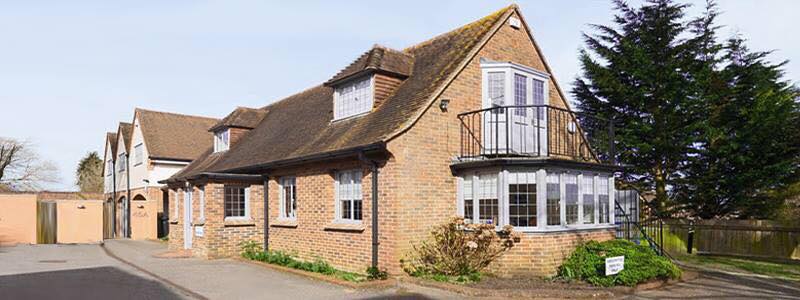
From the A34 (southbound or northbound), take the Westminster Way exit, follow the road round to the right and then turn left onto Raleigh Park Road. At the top you will spot the red-brick posts marking Raleigh Park; continue a short way and turn right on to the narrow access road leading to Raleigh Park Clinic. The customer car park is the gravel area on the right just before the clinic, with a single disabled bay adjacent to the door.
Directions from Botley and nearby landmarks
From Premier Inn Oxford Botley, head south along Westminster Way for roughly half a mile and then turn right onto Raleigh Park Road. After the red-brick posts look for the narrow lane to the clinic; the gravel customer car park will be immediately on the right. Allow extra time during morning school runs and heavy traffic, and consider using a Satnav set to OX2 9AR if you are unfamiliar with local streets.
Further information and resources
For more details about our Oxford microsuction ear wax removal clinic, see this guide.
Parking rules, time limits and local enforcement
Parking on Raleigh Park Road and neighbouring residential streets is governed by local restrictions and occasional enforcement, particularly during daytime hours. The clinic asks visitors to use the customer gravel car park when possible, but if that is full, please obey local signage and avoid blocking driveways or dropped kerbs. Persistent obstruction risks penalty notices and complaints, which the clinic seeks to avoid to maintain good relations with neighbours and preserve future access for patients.
Common restrictions to be aware of
- Resident permit zones in nearby streets, where parking without a permit can lead to fines and possible wheel clamps, so plan alternatives if you cannot display a valid permit.
- Loading-only bays and blocked access zones that are actively enforced during working hours, avoid these areas for longer stays to reduce the risk of tickets or towing.
- Short-term restrictions on some sections of Raleigh Park Road, particularly near junctions, to keep sightlines clear and maintain emergency access; always check signs.
- Private land on some approaches to the clinic may have owner-enforced rules (including security patrols); do not park on private drives without permission to prevent disputes.
- Temporary restrictions during local events or roadworks, check council updates or call the clinic if you expect disruption on the day of travel.
Safe, comfortable ear wax removal, delivered by an Audiologist
Your ears and hearing deserve specialist attention. Some providers treat ear wax removal as a routine task for non-clinical staff, but we believe the procedure should be carried out by a trained Audiologist who understands ear anatomy and the risks involved.
At our clinic only registered Audiologists perform ear wax removal, combining clinical knowledge with practical technique to reduce the chance of complications. This ensures safe, effective treatment tailored to your needs, and clear aftercare advice. Your hearing is too important to leave to chance, and we are committed to high-quality, audiologist-led care.
Audiologist-delivered ear wax care
All procedures are conducted by registered audiologists who combine clinical knowledge of ear anatomy with hands-on skill, reducing complication risk. Choosing an audiologist ensures assessment, treatment and aftercare are coordinated, supporting safe removal, prompt symptom relief and accurate follow-up, including a hearing test if required.
- Pre-procedure inspection and risk assessment by an audiologist
- Gentle technique selection, sterile instruments and focus on patient comfort
- Clear aftercare guidance and referral for hearing tests when needed
Booking tips to reduce parking stress
When booking a microsuction or hearing test appointment, add a short note if you need close parking or the disabled bay. The clinic team reviews bookings daily and can flag appointments that may require extra parking assistance. Combine this with arriving 10 minutes early to allow for parking and check-in, particularly if you bring children or need to carry hearing-aid cases, chargers or mobility aids.
What to include in your booking note
Mention if you require the disabled bay, if you are accompanying someone under 18 for microsuction, and whether you will drive or be dropped off. If you expect to be fitted with hearing aids, note previous devices and whether you need a longer aftercare slot. These details help the clinic plan space allocation and reduce parking-related delays for everyone.
Arrivals for short appointments
For short procedures like routine ear wax removal, consider arranging a brief drop-off with a friend or family member who can hold your place while you park. This reduces congestion and keeps clinic flow running smoothly.
Emergency or late arrivals
If you are delayed, phone the clinic. Staff can advise whether to wait nearby or come straight in if space is available, helping to preserve clinic punctuality and avoid unnecessary circling on Raleigh Park Road.
Hearing First Oxford – Microsuction Ear Wax Removal OX2 map
Alternative travel, drop-off spots and active travel options
If parking looks limited, think about alternative travel modes to reduce the need to drive. Local bus routes serve Botley and the A34 corridor, and the Premier Inn Botley is a handy landmark for those walking. Drop-off on Westminster Way provides a short pedestrian route to the clinic and works well when someone can stop briefly to assist with luggage or mobility aids.
Walking and cycling: what to consider
- For many patients the walk from nearby bus stops or Botley centre is short (around ten to fifteen minutes), with safe pavements and crossings making this a comfortable option.
- Cycle parking is limited, so bring a compact lock and expect to secure your bicycle to a rail or lamp-post, taking care not to obstruct pedestrian routes near the clinic entrance.
- For those with limited mobility, a short taxi reduces walking distance; taxis can usually stop briefly at the clinic entrance for safe drop-off and collection.
- Walking routes are largely step-free from the nearest paved areas, though the final approach to the gravel car park can be uneven, so wear suitable footwear and consider mobility support.
- When travelling with children, a short drop-off on Westminster Way combined with a quick nearby park often reduces congestion and improves safety for pedestrians.
Getting to the clinic — directions
From the A34 Southern By-Pass, exit at Westminster Way, follow the road round to the right then turn left onto Raleigh Park Road. At the top you will see red-brick posts marking Raleigh Park; continue a little way and then turn right onto the narrow access lane to Raleigh Park Clinic. The customer car park is a gravel area on the right just before the clinic.
From Botley (Premier Inn Oxford Botley), head south on Westminster Way for about half a mile, then turn right onto Raleigh Park Road. After the red-brick posts look for the lane to the clinic and you will find the gravel customer car park on the right just before the clinic.
How reliable is real-time data, and how often is it updated
Real-time parking data for small private sites like the Raleigh Park Clinic gravel car park is inherently less exact than sensor-enabled municipal car parks. Updates are typically based on staff checks and patient feedback at intervals, with online occupancy notes refreshed at key times. Treat these updates as situational guidance: they generally indicate likely availability, but spaces can become occupied quickly during busy sessions, so allow contingency time.
Update frequency and best practice
The clinic posts occupancy notes before and during busy appointment blocks, such as mid-morning and early afternoon. For urgent confirmation, phone reception on the day of travel. Combining online notes with a short pre-travel call gives the best certainty if a disabled bay is essential or if you need to avoid long walks after microsuction or a hearing-aid fitting.
On-site parking
There is ample on-site parking for patients at the clinic, though spaces are limited to a small gravel area so plan accordingly during busy periods.
Frequently asked questions about parking at Hearing First Oxford
Below are answers to the most common parking and access questions, written to reduce uncertainty. The FAQ covers arrival timing, disabled access, what to do if the car park is full, and how to plan for short procedures or longer hearing-aid fitting appointments.
Top FAQs
- Are there restrictions for large vehicles? Large vans or vehicles with trailers may find the gravel car park tight; consider street parking a short distance away and walking to the clinic.
- Is the disabled bay guaranteed? No, the single bay is on a first-come basis; the clinic recommends calling ahead so staff can note your need and advise on current availability.
- Can I leave valuables in the car while in the clinic? It is safest to take valuables with you, but if you must leave them, keep them out of sight and locked in the boot to reduce theft risk, especially on quieter residential streets.
- What if the on-site car park is full on arrival, can I be dropped off? Yes, short drop-offs on Westminster Way are practical and a companion can park nearby in residential streets, but always check local signage to avoid restrictions.
- How close is the nearest pay-and-display? The nearest municipal car parks are in Botley village centre, typically a ten to fifteen minute walk; check pay station instructions for current tariffs before leaving your vehicle.
Accessible parking
There is one disabled bay immediately outside the clinic for short transfers and easy access.
Contact details, map and how to get occupancy updates
Hearing First Oxford, Raleigh Park Clinic, 45 Raleigh Park Road, Oxford OX2 9AR, phone +44 8001 337987. The clinic includes a map on booking pages and posts short occupancy notes for upcoming clinics on the appointment confirmation page. For immediate day-of travel updates, call reception; staff can advise whether the gravel customer car park has spaces and whether the disabled bay is occupied.
Subscribe for parking updates
When booking online, add a contact number and request a text confirmation that includes any short-term parking notes. The clinic may send brief reminders for peak days suggesting earlier arrival times or alternative drop-off points. This service helps people coming for microsuction, hearing tests or hearing-aid aftercare plan effectively and avoid delays.
Emergency contact and managing late changes
- For urgent accessibility needs on the day, such as sudden mobility impairment, call reception immediately and the team will try to arrange priority assistance.
- If your arrival is significantly delayed, ring the clinic to inform staff so they can manage appointment flow and advise on parking; this helps avoid bottlenecks and allows staff to reallocate the disabled bay where possible.
- If you discover on arrival that no safe parking is available, staff can recommend the closest legal options and the quickest pedestrian route to the clinic to reduce the risk of fines or towing.