Directions to Hearing First Oxford – Best Routes, Transport Options and Parking
This Guide Modified on 17:41, 31 Jul 2026
Waxfree Guarantee™, exclusive to our clinic in Oxford: the only local provider offering the Hearing First Waxfree Guarantee™.
We are the specialist microsuction ear wax removal centre in Oxford, delivering both Microsuction Earwax Removal and Manual Instrument Earwax Removal, performed by expert audiologists chosen personally by our founder, Jason Levy. Our team are true specialists in earwax removal in Oxford, trusted for clinical excellence.

Based in Botley, Oxford, our convenient clinic also welcomes patients from surrounding areas such as Headington, Kidlington, Abingdon, Witney, Jericho, Summertown, Wolvercote, Marston, Park Town, Wytham, Yarnton, Elsfield, Beckley, Islip, Eynsham, Radley, Littlemore, Cowley, Thame, Kirtlington, Woodstock, Cassington, Stanton Harcourt, Hardwick, Northmoor, Kingston Bagpuize, Gozzard’s Ford, Hampton Poyle, Aston, Ducklington, Horton-cum-Studley, Weston-on-the-Green, Charlton-on-Otmore, Freeland, Wheatley and Sandford-on-Thames.
Practical Directions to Hearing First in Oxford, with Best Routes and Parking Guidance
Parking Options Listed for This Location
- Free car park
- Paid car park
- Free street parking
- Paid street parking
Car Parks Near Hearing First Oxford
- Oxford Rail Main Parking, approximately 1.1 miles from Hearing First Oxford. View on Google Maps.
- Motorcycle Parking, approximately 1.2 miles from Hearing First Oxford. View on Google Maps.
- Customer Car Park, approximately 0.6 miles from Hearing First Oxford. View on Google Maps.
Parking information and place links are provided by Google Maps. Check restrictions and charges locally.

Arrive confidently by car, bus, taxi or on foot: Hearing First is reached most directly from major arteries such as the A34, with a short final approach along Raleigh Park Road to the gravel customer car park. For those travelling for microsuction or a hearing assessment, allow extra time for busy periods near Botley and the A34 junction so appointments are not compromised by traffic. The clinic sits at ground level, with a single marked disabled bay right by the entrance, which can save minutes for patients with mobility needs or equipment to unload. If you prefer public transport, plan for a five to ten minute walk from the nearest bus stop; for drivers, using the postcode OX2 9AR in mapping tools usually locates the correct area, but local signage to Raleigh Park Clinic is the most reliable cue for the final turn.
Key Arrival Cues
Look for the red-brick posts at the Raleigh Park entrance and a narrow private access lane that leads to the unpaved but level gravel car park: these local landmarks are more consistent than some satnav instructions. When coming from the A34, follow signs for Westminster Way and then follow the small local signs to Raleigh Park Road rather than allowing navigation systems to reroute you through tight residential lanes. The access lane is narrow, so approach slowly and allow oncoming vehicles room to pass, particularly if you are parking a larger vehicle or towing a trailer.
Step-By-Step Driving Route
- Follow Westminster Way past landmarks like the Premier Inn Oxford Botley and continue for about half a mile until the signposted entrance for Raleigh Park Road appears on your left.
- After passing the red-brick posts that mark the entrance to Raleigh Park, carry on for a short distance before taking the narrow lane on the right that leads into the gravel customer car park, then park considerately to allow other vehicles to pass.
- Approach the A34 and use the Westminster Way exit, keeping left on the slip road to join Westminster Way heading south towards Botley and North Hinksey; this is the main access route to Raleigh Park Road and the clinic.
- Turn left onto Raleigh Park Road and continue up the gentle incline until you reach the red-brick posts; do not use the minor residential lanes immediately before the posts as they are unsuitable for clinic access.
- Walk from the gravel car park to the clinic entrance, noting the surface can be uneven; disabled visitors should use the marked bay directly outside the clinic for the shortest route.
- If you cannot locate the access lane, pull into a safe layby or call the clinic on the published telephone number for live assistance, staff will guide you through the final approach to avoid confusion on the narrow road.
Drive Time and Congestion
Typical driving time from central Oxford is around 12 to 20 minutes without heavy traffic, but on term days or during rush hour this can increase significantly; check local traffic reports and aim for off-peak travel where possible to arrive relaxed and on time.
Local Landmarks to Watch For
Look for the Premier Inn Oxford Botley, the red-brick posts at the Raleigh Park entrance and the small private road that leads to the clinic, as these cues are helpful when postcode navigation proves imprecise.
Walking and Cycling Advice
Allow an extra five minutes when walking to adjust pace, carry essentials in a backpack rather than loose bags, and wear suitable footwear in wet weather. Cyclists should check tyres and brakes before leaving and identify a secure parking location. If mobility is a concern, phone the clinic on the day to request meet-and-greet assistance at the gravel car park; staff are accustomed to helping people with limited mobility to ensure a safe, comfortable arrival.
30 Intriguing Facts About Oxford
- The Ashmolean Museum: The Ashmolean Museum is the oldest public museum in the UK, founded in 1683 and housing a vast collection of art and archaeology.
- Oxford's Covered Market: Established in 1774, Oxford's Covered Market is a historic marketplace featuring a variety of independent shops and eateries.
- The University Parks: University Parks is a large public park in Oxford, providing green space for recreation and home to various sports facilities.
- The Oxford Canal: The Oxford Canal, completed in 1790, connects Oxford to the River Thames and is popular for boating and walking.
- The Sheldonian Theatre: Designed by Sir Christopher Wren, the Sheldonian Theatre is used for university ceremonies and concerts, showcasing stunning architecture.
- The Oxford Botanic Garden: Founded in 1621, the Oxford Botanic Garden is the oldest botanic garden in Britain, featuring a diverse collection of plants.
- The Oxford Playhouse: The Oxford Playhouse, opened in 1938, is a prominent theatre that hosts a variety of performances and events throughout the year.
- The Radcliffe Observatory: The Radcliffe Observatory, built in 1772, was originally used for astronomical observations and is now part of the University of Oxford.
- The University of Oxford's Examination Schools: The Examination Schools, completed in 1882, serve as the main examination venue for the University of Oxford.
- The Oxford University Museum of Natural History: This museum, opened in 1860, is renowned for its Victorian architecture and extensive collections of natural history specimens.
- The Martyrs' Memorial: The Martyrs' Memorial commemorates the Oxford Martyrs, who were executed for their Protestant beliefs in the 16th century.
- The Pitt Rivers Museum: The Pitt Rivers Museum, established in 1884, showcases an extensive collection of archaeological and ethnographic objects.
- Shark on the Roof
A life-size fibreglass shark sticks out of a Headington roof — placed in 1986 as a protest against war and censorship. - The Bridge of Sighs Curse
Students believe walking under Hertford Bridge before exams brings bad luck, so many cross the road to avoid it. - The Cat That Earned a Degree
In the 1920s, a cat named Simpkins
- Ear Wax Removal In Oxford
Ear wax removal is provided by the specialists at Hearing First Oxford on Tuesdays at Raleigh Park Clinic in North Hinksey, Botley OX2 – easily reached from the A34 northbound or Premier Inn Oxford Botley with free on-site parking. Reserve your slot today. - The Bodleian Library
One of Europe’s oldest libraries, the Bodleian holds over 13 million printed items and receives a copy of every book published in the UK. - City of Spires
Oxford’s skyline of church towers and college spires inspired the nickname "The City of Dreaming Spires". - Punting on the Cherwell
Punting is a classic leisure pursuit, propelling a flat-bottomed boat along the river with a pole. - Oxford University Press
OUP is the world’s largest university press and has published scholarly works since 1586. - The Underground Narnia Door
Near St Mary’s Passage sits a small wooden door said to have inspired C.S. Lewis’s wardrobe in the Narnia stories. - The Gargoyle That Sticks Its Tongue Out
On New College Lane one gargoyle appears to stick its tongue out, reportedly aimed at a rival college. - The Morse Effect
Fans of the TV series Inspector Morse often visit Oxford pubs to sit where the fictional detective drank. - Blackwell’s Bookshop
Founded in 1879, Blackwell’s houses the Norrington Room, one of the largest rooms of books in the world. - The Divinity School Ceiling
The ornate fan-vaulted ceiling of the Divinity School took three years to carve and features over 400 bosses. - Oldest University in the English-Speaking World
The University of Oxford dates back to the 12th century and is the oldest university in the English-speaking world. - Oxford’s Miniature Forest
A micro-forest in Florence Park planted with the Miyawaki method aims to boost urban biodiversity. - The Ghost of the Sheldonian
Staff at the Sheldonian report late-night footsteps and creaks, attributed to a reputed former caretaker. - Radcliffe Camera
This striking circular library building is among Oxford’s most photographed landmarks and is part of the Bodleian system. - City of Dreaming Spires
Oxford’s skyline of towers and college domes has inspired poets and visitors for centuries.
Costs, Payment Methods and Insurance Information
Published Payment Methods
- Credit cards
- Debit cards
- Contactless or NFC payments
Payment information may change. Confirm prices, insurance eligibility and accepted methods directly with the provider. Place attributes are provided by Google Maps.
Ear wax removal at Hearing First Oxford starts from £34, with the final cost depending on whether one or both ears require treatment, appointment timing and any additional diagnostic tests such as audiometry. We accept card payments in clinic and sometimes offer online payment during booking. If you plan to claim via private medical insurance, obtain authorisation from your insurer beforehand, since coverage varies between policies. The clinic supplies a detailed invoice you can submit to your insurer for reimbursement when appropriate. For those on a limited budget, consider off-peak weekday slots that can sometimes be priced more competitively; discuss concessionary rates or payment plans with reception if paying at the time of service is a problem.
Check your booking confirmation for a full cost breakdown and any cancellation terms, as short-notice cancellations may incur fees. If you have a history of ear disease, prior surgery or chronic conditions such as diabetes that affect healing, mention these when booking since they can change the clinical plan and any necessary follow-up, and may slightly affect appointment length and cost. Clear communication about billing and insurance before attendance helps the day run smoothly and avoids delays after your consultation.
Driving Directions to Hearing First Oxford
- Earwax Clearing to Hearing First Oxford: approximately 4.4 miles and 10 minutes by car. The route typically begins: Head south-east on Rose Hill/A4158 towards Church Cowley Rd/B4495 Continue to follow A4158; then At Littlemore Roundabout, take the 3rd exit onto Eastern By-Pass Rd/A4142; then Slight right to stay on Eastern By-Pass Rd/A4142 Continue to follow Eastern By-Pass Rd. Open this route in Google Maps.
- Beaumont Elms Practice to Hearing First Oxford: approximately 5.0 miles and 15 minutes by car. The route typically begins: Head west on Beaumont St/A4144 towards Walton St Continue to follow A4144; then At the roundabout, take the 1st exit onto Park End St/A420 Entering toll zone Leaving toll zone; then At the roundabout, take the 2nd exit onto Hollybush Row/A420 Continue to follow A420 Entering toll zone in 0.5 mi Leaving toll zone in 0.5 mi. Open this route in Google Maps.
- St Bartholomew & Hollow Way Medical Practice (Lake Street) to Hearing First Oxford: approximately 5.4 miles and 18 minutes by car. The route typically begins: Head north-west; then Turn left towards Manzil Way; then Turn right onto Manzil Way. Open this route in Google Maps.
- Oxford Brookes Medical Centre to Hearing First Oxford: approximately 5.9 miles and 19 minutes by car. The route typically begins: Head south; then Turn left towards Gipsy Ln; then Turn left onto Gipsy Ln. Open this route in Google Maps.
- Nuffield Health, The Manor Hospital, Oxford to Hearing First Oxford: approximately 6.2 miles and 21 minutes by car. The route typically begins: Head south-west on Beech Rd towards Sandfield Rd; then Turn left onto Sandfield Rd; then Turn right onto London Rd/A420 Entering toll zone in 1 mi at Morrell Ave. Open this route in Google Maps.
- Jograj street Oxford building to Hearing First Oxford: approximately 4.3 miles and 13 minutes by car. The route typically begins: Head south on St Aldate's/A420 towards New Inn Yard; then Continue onto Abingdon Rd/Folly Brg/A4144 Continue to follow Abingdon Rd/A4144; then Merge onto Kennington Roundabout. Open this route in Google Maps.
- Fellows Library to Hearing First Oxford: approximately 6.1 miles and 21 minutes by car. The route typically begins: Head north-east on Market St towards Covered Market; then Market St turns left and becomes Turl St; then Turn right onto Broad St. Open this route in Google Maps.
- All Saints' Church, Lincoln College Library to Hearing First Oxford: approximately 4.4 miles and 13 minutes by car. The route typically begins: Head west on High St/A420 towards Turl St Continue to follow A420; then Continue onto Abingdon Rd/Folly Brg/A4144 Continue to follow Abingdon Rd/A4144; then Merge onto Kennington Roundabout. Open this route in Google Maps.
Distances, indicative journey times and route links are provided by Google Maps. Check live conditions before travelling.
Public Transport: Buses, Trains and Practical Tips
Nearest Bus Stops to Hearing First Oxford
- Raleigh Park Road, approximately 0.1 miles from Hearing First Oxford. View this bus stop on Google Maps. Walking directions from Raleigh Park Road to Hearing First Oxford.
- Laburnum Road Shops, approximately 0.2 miles from Hearing First Oxford. View this bus stop on Google Maps. Walking directions from Laburnum Road Shops to Hearing First Oxford.
- Lime Road, approximately 0.2 miles from Hearing First Oxford. View this bus stop on Google Maps. Walking directions from Lime Road to Hearing First Oxford.
- Yarnells Hill, approximately 0.2 miles from Hearing First Oxford. View this bus stop on Google Maps. Walking directions from Yarnells Hill to Hearing First Oxford.
- Harcourt Hill Campus, approximately 0.3 miles from Hearing First Oxford. View this bus stop on Google Maps. Walking directions from Harcourt Hill Campus to Hearing First Oxford.
- Cedar Road, approximately 0.3 miles from Hearing First Oxford. View this bus stop on Google Maps. Walking directions from Cedar Road to Hearing First Oxford.
Nearest Rail, Tube and Tram Stations to Hearing First Oxford
- Oxford, approximately 1.1 miles from Hearing First Oxford. View this station on Google Maps. Walking directions from Oxford to Hearing First Oxford.
- Oxford Parkway, approximately 4.1 miles from Hearing First Oxford. View this station on Google Maps. Walking directions from Oxford Parkway to Hearing First Oxford.
- Radley, approximately 4.6 miles from Hearing First Oxford. View this station on Google Maps. Walking directions from Radley to Hearing First Oxford.
Stops and stations are ordered by straight-line distance from the destination using Google Places coordinates. Place and walking-direction links are provided by Google Maps.
Public transport is a practical option for many patients visiting Hearing First, particularly if you are travelling from central Oxford or nearby towns. Oxford station provides regular rail services, and from there you can take a local bus or a short taxi to Botley and Westminster Way. Bus stops serving Botley and North Hinksey sit within an easy walking radius of the clinic, but timetable frequency varies by day and time, so check live timetables before travelling. Using Seacourt Park and Ride then a local bus or taxi often saves time and avoids inner-city parking stress, making it a sensible choice for those unfamiliar with Botley. Keep the postcode OX2 9AR to hand, and factor in a five to ten minute walk from most nearby stops.
Public Transport Quick Checklist
- From Oxford station, board a service towards Botley and alight at Westminster Way; the short walk south along the pavement to Raleigh Park Road takes roughly five to ten minutes depending on your pace and luggage.
- Seacourt Park and Ride reduces city centre driving, then take a short bus or taxi to Botley, which avoids the Botley roundabout congestion during peak hours and is helpful for those who prefer predictable travel times.
- Evening and Sunday services are less frequent, so if you have a late appointment consider pre-booking a taxi from Oxford station to the clinic to ensure timely arrival and avoid long waits at unstaffed stops.
- Stagecoach and local operators update timetables for engineering works, so check operator apps on the day, particularly during bank holidays or weekends when services change most frequently.
- If you have mobility needs, contact the clinic in advance to arrange a meet-and-greet at the nearest accessible stop, enabling staff to guide you across the short walk to the clinic and avoid uneven pavements.
How to Reach Hearing First Oxford: Routes, Transport Choices and Parking

Hearing First Oxford is situated at 45 Raleigh Park Road, within Raleigh Park Clinic, OX2 9AR, only a short drive from the A34 and close to Botley. The clinic specialises in microsuction ear wax removal, unbiased hearing aid guidance and hearing tests, and offers complimentary on-site parking for patients. If you are driving northbound on the A34, exit at Westminster Way and follow local signage to Raleigh Park Road, then take the narrow lane on the right that leads directly to the clinic car park. The ground-floor clinic has a disabled bay immediately outside for easier access if mobility is limited. Use the postcode and the clinic name Raleigh Park Clinic when planning your journey, and factor in additional time during busy periods around the A34 junction and Botley roundabout.
Consider alternatives to driving when you plan your visit: local bus stops are a short walk away, taxis can drop off at the gravel car park entrance, and there are safe walking routes from Premier Inn Oxford Botley and nearby residential streets. Our appointments are delivered by qualified audiologists offering evidence-based care such as microsuction and manual instrument ear wax removal, so bringing any previous audiology notes or a list of hearing devices you use can be helpful. If you have accessibility requirements, the ground-floor clinic and single disabled bay remove many barriers, and letting us know in advance enables staff to prepare ramps or extra assistance. Keep Raleigh Park Road, the A34 and postcode OX2 9AR to hand when using satellite navigation, and check local traffic updates on the day to reduce the chance of delays.
Parking Availability
There is free on-site parking for patients at the clinic.
Quick Arrival Summary
To reach the clinic, exit the A34 at Westminster Way, turn left onto Raleigh Park Road, and take the right into the access lane for Raleigh Park Clinic. Parking is available directly outside. If walking from Botley, follow Westminster Way south and take the pedestrian route onto Raleigh Park Road. Taxis can drop off at the same access lane, while bus users should allow extra time for the short walk from the nearest stop.
Our Services
- Impartial Hearing Aid Advice, Fitting and Aftercare: If you want friendly, impartial guidance, we are an independent provider not part-owned by a hearing aid manufacturer, so we recommend the most appropriate model for your lifestyle and supply invisible, rechargeable, Bluetooth and iPhone-compatible hearing aids.
- Under 18 Microsuction Ear Wax Removal: We provide microsuction for ages 12-17 when accompanied by a parent or guardian.
- Microsuction Ear Wax Removal
- Hearing Tests: We carry out hearing assessments and explain results – as an independent clinic we do not push hearing aids after a “free” test, unlike some high street chains.
- Manual Instrument Ear Wax Removal
Hearing First Oxford - Ear Wax Removal and Hearing AidsClinic Information
Located within Raleigh Park Clinic,
Oxford OX2 9AR
Phone: 0800 133 7987
URL: https://www.hearingfirst.co.uk/book-ear-wax-removal-near-me/book-microsuction-ear-wax-removal-oxford/
View Hearing First Oxford - Ear Wax Removal and Hearing Aids on Google Maps.
Professional ear wax removal Oxford audiologists, conveniently located just off the A34 in North Hinksey, Botley, with free on-site parking. We are the only ear wax removal clinic in Oxford to offer The Hearing First Waxfree Guarantee™, so if you have a blocked ear, book an appointment at our ear wax removal Oxford clinic. We are the ear wax removal experts in Oxford!
Step-By-Step Driving Approach from Main Routes to the Clinic
For drivers the clearest route is to use the A34 and take the Westminster Way exit, then follow local signs to Raleigh Park Road and the Raleigh Park Clinic access lane that leads to the gravel car park. Proceed slowly on the narrow access lane and park considerately: the surface is unpaved but level, with a marked disabled bay immediately adjacent to the clinic door. Larger vehicles should give way where the lane narrows and be aware that turning space is limited near the entrance, so plan to make a gentle manoeuvre rather than a sharp turn. Allow at least ten extra minutes during morning and late afternoon peak times, and consider a park and ride plus taxi combination if you want to avoid the Botley roundabout entirely.
Recommended Route Notes
Enter the Westminster Way slip road from the A34 northbound, follow the roundabout and take the left onto Raleigh Park Road, then the short, narrow lane on the right which actually feeds the gravel car park. Do not follow satnav prompts that divert you early onto minor residential streets: these lanes are typically unsuitable for drop-off and are likely to cause confusion or tight turning situations. If your satnav still struggles, use the named destination Raleigh Park Clinic rather than just a postcode, as the clinic name tends to resolve the final turn more reliably.
Parking on Arrival
The gravel customer car park is free for patients, with one clearly marked disabled bay directly outside the clinic entrance for blue badge holders. Expect some puddles after wet weather, so leave a little extra distance when opening doors and consider carrying items in a rucksack rather than loose bags to cross the short gravel area comfortably.
Practical Satnav Tip
When programming navigation devices, input both 45 Raleigh Park Road and the clinic name Raleigh Park Clinic to reduce the chance of being guided onto unsuitable residential lanes; if a turn is suggested before the red-brick posts, continue to Westminster Way and follow the local signage instead.
On-The-Day Contingency
If you cannot locate the access lane safely, pull into a sensible layby out of the flow of traffic and ring reception for step-by-step directions: staff can often provide real-time guidance to the exact entrance and advise on nearby legal street parking if the on-site car park is full.
Driving from Main Routes and What to Expect on Arrival
Driving is often the quickest way to reach Hearing First Oxford, especially from the A34 or ring road. The clinic can be accessed via Westminster Way, with a left turn onto Raleigh Park Road. Be prepared for heavier traffic during peak hours, particularly between 07:30 and 09:30 and 16:30 and 18:30. The access lane to the customer car park is narrow, so proceed with caution and watch for pedestrians. Taxis can drop off at the entrance, making it easier for those with limited mobility.
For drivers from central Oxford, follow Botley Road and turn onto Westminster Way. If coming from Abingdon, approach via the A34. Be aware of local parking restrictions on residential streets and avoid blocking driveways while searching for on-street parking. Configure navigation apps to avoid unpaved tracks to prevent being routed onto unsuitable lanes.
How to Reach Hearing First Oxford: Routes, Transport Choices and Parking
Hearing First Oxford is conveniently located at 45 Raleigh Park Road, easily accessible from the A34 and close to Botley. The clinic offers complimentary parking for patients, making it a practical choice for those driving. If travelling northbound on the A34, exit at Westminster Way and follow signs to Raleigh Park Road, taking the narrow lane to the clinic car park. The ground-floor clinic features a disabled bay for those with mobility challenges, ensuring easy access.
For those considering alternatives to driving, local bus stops are within walking distance, and taxis can drop off at the clinic entrance. Walking routes from nearby hotels and residential areas are safe and well-marked. Patients are encouraged to bring any audiology notes or information about hearing devices for a more tailored experience. If you require assistance, notifying the clinic in advance allows staff to prepare for your arrival.
Accessible Consultation Features
The clinic provides a ground-floor consulting room, step-free access, a marked disabled parking bay, staff assistance for transfers, clear verbal explanations during procedures and the option of extended appointment times for those who need a gentler pace or additional rest breaks.
Microsuction Vs Syringing: Key Differences
Microsuction involves targeted suction under direct visualisation, avoiding water and the risk of driving wax deeper. Syringing or irrigation can cause complications like otitis externa, increased tinnitus, hearing loss or eardrum damage in some patients, which is why many surgeries have scaled back or withdrawn the service.
- Aftercare and prevention: personal advice, topical drops or follow-up checks to reduce recurrence
- Clinical assessment first: establish wax type, ear canal shape and eardrum condition
- Choose the safest method: microsuction is preferred where anatomy or prior ear issues increase risk
If NHS waits are long, private microsuction with an accredited audiologist provides quicker resolution, a documented hearing test and clear follow-up to protect hearing and manage any tinnitus or remaining symptoms.
Parking Realities, Restrictions and Reliable Alternatives
Free patient parking is available in the unpaved gravel car park at Raleigh Park Clinic, but spaces are limited during busy clinics and university term peaks. A single disabled bay sits immediately outside the clinic door and is reserved for blue badge holders, so please display your badge clearly when using that space. On-street parking on Raleigh Park Road exists but is constrained by local restrictions and private driveways, so avoid parking where it could obstruct residents or access. For visitors with larger vehicles, manoeuvring room in the gravel car park is restricted, therefore consider Seacourt Park and Ride plus a short taxi or bus when arriving at busy times to prevent delays.
- Use the gravel customer car park for quick access during scheduled appointments, but arrive early if you expect a busy session to secure a space and avoid blocking the narrow access lane while looking for a spot.
- Blue badge holders should use the marked disabled bay directly outside the entrance and ensure the badge is visible: this provides the shortest accessible route into the ground-floor clinic and reduces transfer time from vehicle to clinic room.
- If the car park is full, look for legal short-term street parking nearby and double-check signage to avoid fines, allowing an extra five to ten minutes to walk from your vehicle to the entrance when planning arrival time.
- Consider Seacourt Park and Ride with a short taxi or bus leg to Raleigh Park Road as a practical alternative during term time or large local events, this often shortens total journey time and eliminates stress over finding a space.
- Do not stop or leave vehicles unattended on the narrow access lane, as this may prevent access for other patients, suppliers or emergency services and could cause unnecessary delays for everyone arriving at the clinic.
- When unloading mobility aids or prams, briefly stop at the clinic entrance to offload quickly and then move your vehicle into the car park to keep the access lane clear for others following behind.
Getting Here by Public Transport
Oxford’s compact transport network makes it straightforward to reach Hearing First Oxford by bus, or by train with a short bus or taxi transfer. Oxford station is the main rail hub, from which local buses and taxis travel to Botley and Westminster Way; bus journeys typically take 20 to 30 minutes depending on traffic. Several services run to Botley and North Hinksey, with stops a five to ten minute walk from the clinic, although timetables differ between weekdays and weekends. Check live timetables before travelling to avoid long waits, especially in the evening when services reduce. Seacourt Park and Ride links to central routes and stops near Botley, from where a short local bus or taxi will reach Raleigh Park Road. Choosing public transport can reduce parking pressure and is often the best option for journeys from central Oxford, Abingdon or nearby villages.
- Seacourt Park and Ride connects to Botley, then take a short taxi or local bus for the final leg to Raleigh Park Road; a convenient alternative to inner-city driving that can shorten total journey time.
- From Oxford station, catch a local bus towards Botley or North Hinksey, alight at Westminster Way and walk south for around five to ten minutes along the pavement to the clinic entrance on Raleigh Park Road.
- Stagecoach and other local operators serve routes from central Oxford to Botley; check the most recent timetables online because services are often reduced on evenings and Sundays and may need extra planning around your appointment time.
- Night and late-evening buses are limited, so if you have an evening appointment it is sensible to pre-book a taxi from Oxford station or central Botley to avoid long waits at unstaffed stops.
- If travelling from Abingdon or Didcot, take a direct bus into Botley and use the short footpath or a short taxi ride for the final section, allowing 15 to 20 minutes for transfer and walking time along Raleigh Park Road.
- Cyclists can use local cycle routes into Botley and wheel their bicycle to the clinic entrance, but covered cycle parking is limited so bring a robust lock and avoid leaving high-value bikes unattended.
How Much Does Ear Wax Removal in Oxford Cost?
Ear wax removal in Oxford starts at £34. Pricing varies if one or both ears are treated, whether you book peak or off-peak, and how far ahead the appointment is reserved.
Typical Journey Times by Public Transport and Taxi
Travel times to Hearing First Oxford vary by mode: buses from central Oxford usually take 20 to 30 minutes, a taxi from Oxford station generally takes 12 to 20 minutes depending on traffic, and cycling from central areas can take 15 to 25 minutes. Seacourt Park and Ride offers a dependable transfer into Botley followed by a short bus or taxi to Raleigh Park Road; this can be quicker than driving during peak congestion. Weekday service frequencies are higher than at weekends and evening or early morning journeys may need extra connection time. Train travellers should allow for the short bus or taxi leg from Oxford station and for time to buy or validate bus tickets if required. If you need accessible transport, pre-book a taxi to secure ramps or wheelchair space; local operators serving Oxford and Botley are familiar with accessible vehicle requests.
- Seacourt Park and Ride to Botley reduces inner-city driving, then take a short taxi or bus to Raleigh Park Road, a practical choice to avoid city centre parking and peak-time congestion.
- Oxford station to the clinic by taxi typically takes between twelve and twenty minutes, subject to road conditions and time of day; book ahead for patients with mobility needs or tight schedules.
- Local bus routes from central Oxford to Botley run frequently during daytime on weekdays; alight at Westminster Way and walk for five to ten minutes to reach Raleigh Park Road and the clinic entrance.
- Evening and Sunday bus services are less frequent, so factor in more connection time or pre-book a taxi to guarantee timely arrival for later appointments.
- If travelling by bicycle, follow signed cycle routes into Botley and lock your bike securely near the clinic; sheltered parking is limited so plan a secure locking strategy for your visit.
- Patients from surrounding towns such as Abingdon or Wantage should check direct bus routes into Botley or consider a rail journey into Oxford followed by a short bus or taxi, allowing time for connecting services with differing timetables.
Always confirm live departure and arrival times with transport operators on the day and ring the clinic if you expect to be late; staff will advise on the best way to minimise waiting and ensure a safe arrival.
Turn-By-Turn Directions to the Clinic
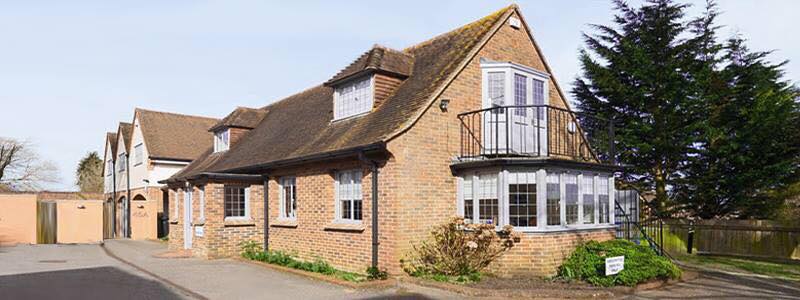
From the A34 southern bypass heading north, exit at Westminster Way, follow the round and take a left onto Raleigh Park Road. At the top you will spot red-brick posts marking Raleigh Park; continue slightly further and turn right onto the narrow access road that leads to Raleigh Park Clinic. The customer car park is a gravel area on the right immediately before the clinic.
From Botley, begin at Premier Inn Oxford Botley and head south on Westminster Way for about half a mile, then turn right onto Raleigh Park Road. After the red-brick posts at the top, take the narrow lane on the right to reach Raleigh Park Clinic, with customer parking in the gravel area to the right just before the building.
Walking and Cycling from Botley and Nearby Streets
Walking from Botley to the clinic is often quicker than driving during peak times, and cycling provides a swift and economical option for local residents. From Botley centre, follow Westminster Way south and take the pedestrian route onto Raleigh Park Road, a mostly level walk of roughly ten to fifteen minutes from the Premier Inn Oxford Botley area. Cyclists should use signed cycle routes where available and dismount on narrow approaches near the clinic to protect pedestrians, then wheel bicycles across the gravel car park to secure them close to the entrance. Covered cycle parking is limited, so bring a robust lock and avoid leaving high-value bikes unattended for long periods.
Practical Pedestrian and Cycle Pointers
Choose a backpack for personal items rather than loose shopping bags to keep hands free when navigating short gravel surfaces, and wear sensible footwear in wet weather as paths can be muddy. Cyclists with panniers should plan a safe location to park and lock their bike, ideally within sight of the clinic entrance, and phone ahead if you need help carrying bulky items from the drop-off point; staff can often assist with short escorts from the gravel car park into the clinic room.
Arrival FAQs and Practical Tips
Common patient questions concern what to bring, where to park and how long appointments last. Bring any hearing aids, prior audiology reports and a list of medications, as these details inform clinical decisions. Expect a microsuction appointment to take around 20 to 40 minutes in most cases, while combined visits with a hearing test may last up to an hour. If you have mobility or sensory needs, notify the clinic when booking so staff can allocate a quieter room or extra time, which makes the visit more comfortable. For taxi drop-offs, tell drivers the postcode OX2 9AR and mention the red-brick entrance posts and Raleigh Park Clinic to ensure the shortest possible drop-off. On arrival, check in at reception and report any recent ear symptoms such as pain, discharge or sudden hearing changes, as this will affect the clinical pathway and may require further assessment or referral.
- If driving, arrive at least five minutes early to find parking in the gravel car park and check in with reception, especially on busy days when spaces fill quickly.
- Bring a written list of medications and details of prior ear operations or infections, as these help the audiologist choose the safest approach and reduce the need for follow-up calls.
- For public transport, build in ten to fifteen extra minutes for the short walk from the nearest bus stop and check live bus times on the day because evening and weekend frequencies differ from weekday services.
- If you need a chaperone or carer, include them when booking so the clinic can arrange appropriate space and privacy within the consultation room.
- Wear sensible footwear for the short walk across the gravel car park and avoid carrying large items; staff can assist with heavy possessions if you ask at reception.
- If delayed, phone the clinic as soon as possible; they will advise whether to hold your appointment or reschedule and explain where to wait safely to avoid blocking the access lane.
Disabled Parking
There is one marked disabled bay directly outside the clinic entrance.
Driving from Main Routes and What to Expect on Arrival
Research Catalogue Results for Ear Wax Removal
- The auricular cough reflex: lateralization, prevalence, procedural determinants, and the role of examiner handedness. - van de Loo J, Mayer M, Sharaf K, Eckel H, Jansen L, Klussmann JP, Luers JC., 2026.
- High-definition otoscopic device for humanitarian mission: how i do it. - Lechien JR, Maniaci A, Kipsang MJ, Kibor M, Vaira LA., 2025.
- Use of Castor Oil in Dermatology: A Narrative Review. - Girdler K, Cabatu A, Olds H, Potts GA., 2026.
Source: Europe PMC. These are bibliographic matches, not personalised medical advice or an endorsement of a treatment.
Driving to Hearing First Oxford is usually the quickest option for most patients, especially from the A34 or ring road. The clinic is accessed from Westminster Way in North Hinksey, with a straightforward left turn onto Raleigh Park Road if heading north on the A34. Traffic can be heavier during weekday peak times and during university term, so allow extra time between 07:30 and 09:30 and again between 16:30 and 18:30. The access lane into the gravel customer car park is narrow but marked, so proceed slowly and watch for pedestrians. Taxi drivers will locate the clinic using the OX2 9AR postcode and can drop passengers at the entrance, reducing walking distance for those with limited mobility. Use satellite navigation with live traffic updates to avoid the Botley roundabout at busy times, and remember the car park is unpaved, so larger vehicles should manoeuvre cautiously.
Drivers from central Oxford should follow Botley Road and turn west onto Westminster Way; from the west or Abingdon, approach via the A34 and take the Westminster Way exit. If travelling from Kidlington or Banbury on the A34, follow signs for Park and Ride or Botley which will lead towards Westminster Way. Observe local parking restrictions on residential streets near Raleigh Park Road and avoid blocking private driveways while searching for on-street parking. Configure navigation apps to avoid unpaved tracks where possible, to prevent being routed onto unsuitable lanes with poor turning room.
Accessibility on Arrival: Ground-Floor Access, Assisted Transfers and Sensory Needs
Published Accessibility Features
- Wheelchair-accessible entrance
Accessibility details are provided by Google Maps. Contact the location to confirm individual requirements.
Hearing First offers step-free ground-floor access to facilitate visits for people who use wheelchairs, mobility scooters or walking aids. The consulting room is on the ground floor with level thresholds and a dedicated disabled parking bay directly outside, which reduces the transfer distance from vehicle to reception. Staff are trained to provide calm, patient-centred assistance for transfers and can prepare a quiet room or extended appointment time for people with sensory sensitivities or cognitive needs, making the clinical experience more comfortable and clinically effective. If you require a chaperone, additional seating or specific arrangements during testing, tell reception when booking and the team will make suitable preparations.
Arrivals for Patients Who Need Assistance
If you need help from the car to the consulting room request a meet-and-greet at the time of booking: the clinic will meet you at the gravel car park entrance or the immediate drop-off point to support transfers and manage mobility equipment safely. For visitors using public transport, staff can advise which nearby stop offers the gentlest pavement gradients and shortest route, and recommend taxi companies that provide ramped or wheelchair-accessible vehicles on request.
Practical Preparation for Mobility Aids
Bring any mobility equipment you rely on, such as spare batteries for scooters or a favourite walking stick, and label items where possible to reduce loss risk. If lifting or transfers may be needed, inform staff in advance so appropriate personnel and space are reserved to maintain dignity and safety during arrival and assessment.
Short-Notice Accessibility Requests
If you need assistance on the day, phone ahead and the clinic will prioritise a quick arrival check-in, often meeting you at the vehicle to escort you indoors and prevent exposure to inclement weather while waiting for a reception slot.
Accessible Taxi Guidance
When booking an accessible taxi, specify if you need a ramp or wheelchair space, and ask for the driver to stop at the gravel car park entrance so the transfer distance is minimised; local operators serving Botley are familiar with the clinic layout and can usually comply with such requests.
Further Information
For more details about our Oxford ear wax removal clinic, please visit this page.
Public Transport Advice
Check live travel apps or operator websites for planned engineering work or disruptions that might affect bus or rail services. If you are not used to Oxford buses, allow an extra ten minutes to find the right stop and validate tickets where required. For patients with mobility needs, contact the clinic before travel to coordinate assistance from the nearest accessible stop or to arrange a staff member to meet you at the car park entrance, since the short footpath between the bus stop and clinic can be uneven at times.
Walking and Cycling Options from Botley
Walking is a pleasant choice for nearby residents and cycling is a quick, cost-effective way to reach Raleigh Park Clinic from Botley and adjacent neighbourhoods. From Botley centre follow Westminster Way south for about half a mile to the Raleigh Park Road junction; the route is mostly level with pedestrian crossings. Cyclists can use on-road cycle lanes where present and should dismount on narrow approaches near the clinic access lane to protect pedestrians. Bring a sturdy lock as covered cycle parking is limited, and be prepared to wheel your bike across the gravel car park if needed. Walking from Premier Inn Oxford Botley takes roughly ten to fifteen minutes at a steady pace; footpaths are generally well kept but may be muddy after heavy rain. If you are using mobility aids or have young children, select the most direct footpaths from Westminster Way and tell the clinic if you need assistance on arrival so staff can meet you at the car park entrance.
Local residents who avoid short car trips by walking reduce congestion and often save time outside peak hours. The clinic is near bus stops but the short walk is sometimes quicker than waiting for an infrequent evening service. Cyclists should secure their bike visibly and consider locking to a lamp post or rail if shelter is unavailable, and the clinic staff can keep an eye on a bicycle on request while you attend your appointment. Consult local walking maps or cycle route guides for quieter lanes and shortcuts if you are unfamiliar with the area.
Why Choose an Audiologist for Earcare
Ear anatomy is complex, therefore removal is best handled by clinically trained professionals. Our audiologists inspect the ear canal and eardrum, choose evidence-based techniques and adapt care for each patient. That professional expertise reduces the risk of injury and helps to protect hearing, especially for those with previous ear problems or tinnitus.
- Individualised aftercare and advice to protect long-term hearing health
- Lower risk of perforation or infection compared with untrained approaches
- Thorough assessment of ear anatomy and wax impaction
We use modern instruments, strict infection control and a calm, patient-centred technique to maximise comfort and clinical outcomes at every appointment.
Detailed Public Transport Options: Which Services and Where to Alight
Understanding which buses and connecting services drop nearest to Raleigh Park Clinic simplifies planning. Several daytime services run between central Oxford and Botley with stops at Westminster Way, from which a short walk leads to Raleigh Park Road. If you are arriving by train to Oxford station, choose a bus for cost efficiency or a taxi for a quicker, direct drop-off to the clinic entrance. Always check live departure boards and operator apps on the day of travel to allow for engineering work or delays that could extend trip times. For late evening appointments, pre-book a taxi to avoid waiting at less frequent nocturnal stops.
- From Oxford station, take a local bus to Botley and alight at Westminster Way; the walking route to Raleigh Park Road is well signed and takes five to ten minutes, with a few short inclines near the clinic entrance.
- Use Seacourt Park and Ride to remove central driving from your itinerary, then board a local bus or taxi into Botley for an efficient last mile, this strategy often reduces overall journey stress at busy times.
- When travelling from Abingdon or Didcot, check direct bus routes to Botley and allow an extra ten to twenty minutes for the walk or brief taxi connection to Raleigh Park Road, depending on stop location and walking speed.
- Evening travellers should note that some services terminate earlier than expected; therefore pre-book a taxi from Oxford or Botley to avoid long waits at unstaffed stops and to secure a direct drop at the clinic entrance.
- Cyclists may combine train and cycle by alighting at Oxford, then using signed cycle routes into Botley, but ensure you have a secure lock and a plan to leave your bicycle in sight or request staff assistance to keep an eye on it while you attend your appointment.
How to Book, Pricing and Reserving an Appointment
Booking an appointment at Hearing First Oxford is straightforward, either online via our booking page, by phone or email. Prices start at £34 for ear wax removal, with variability depending on whether one or both ears are treated, appointment timing and any extra assessments such as hearing tests. When you book, give a short medical history including previous ear operations, recent infections and any hearing devices you use, so the audiologist can plan your appointment safely and efficiently. Under-18s must be accompanied by a parent or guardian for consent and appropriate care. If you intend to use private medical insurance, check your policy for audiology cover and any authorisation required beforehand to prevent unexpected costs. Online booking shows available slots and confirms immediately, while telephone booking lets you discuss access or transport needs with staff.
- Telephone the clinic to provide your name, date of birth and a brief health summary, note any mobility or hearing needs, and staff will reserve a suitable slot and answer questions about parking and arrival.
- Visit the clinic booking page online, choose the service you need such as microsuction or manual instrument removal, pick a date and time from the live calendar and complete the form with your contact details.
- If using private medical insurance, obtain any necessary authorisation before attending and bring policy details on the day to streamline billing and reimbursement.
- Plan to arrive at least five minutes early to allow time for parking and check-in; patients needing assistance can request a meet-and-greet at the entrance so staff can help from the car park to the clinic room.
- Cancellations or rescheduling should be made as soon as possible to free the slot for others; last-minute changes may be accommodated but could attract a short-notice fee depending on clinic policy.
- Bring any hearing aid details, previous audiograms or a list of medications with you, these help the audiologist select suitable procedures and provide safe, personalised aftercare recommendations.
If you need help booking online or would prefer to discuss concerns before committing to a visit, call reception who can advise on route planning, parking and accessibility for Hearing First Oxford.
On-Site and Street Parking Rules
- Blue badge holders should use the marked disabled bay directly outside the clinic and display their badge prominently, providing the shortest accessible route into the ground-floor clinic.
- If the car park is full, opt for short-term legal on-street parking and check signage for timed restrictions to avoid fines, allowing an additional five to ten minutes to walk to the clinic.
- Do not leave vehicles unattended on the narrow access lane that leads into the car park, as this can prevent access for suppliers, emergency services and other patients.
- Use the gravel customer car park for free patient parking, but park carefully on the unpaved surface and watch for puddles after wet weather; larger vehicles should allow more clearance to avoid scraping or blocking the lane.
- Consider Seacourt Park and Ride followed by a short taxi or bus transfer during busy times, a helpful strategy when central events or university term increases local parking demand.
Quick Arrival Summary
Leave the A34 at Westminster Way, take the left onto Raleigh Park Road and then the right into the narrow access lane for Raleigh Park Clinic; park in the gravel customer car park directly outside the clinic. If walking from Botley, follow Westminster Way south and take the pedestrian route onto Raleigh Park Road. Taxis can use the same access lane for drop-off, and bus users should allow about five to ten minutes on foot from the nearest stop. Keep the postcode OX2 9AR available if navigation problems arise and call the clinic for step-by-step directions if needed, the team will guide you to the entrance.
Driving Tips for a Smooth Arrival
Plan your journey in advance and monitor live traffic updates just before departure. Allow at least ten extra minutes during busy periods and use the postcode OX2 9AR for accuracy, but follow local signage for Raleigh Park Clinic instead of minor residential turns suggested by some satnavs.
Satnav, Route Optimisation and Avoiding Narrow Residential Streets
Satnav systems are useful as a general guide, but some mapping algorithms prioritise the shortest distance rather than the most suitable road for drop-offs or larger vehicles. To avoid being routed through tight residential lanes near Botley, enter both the street address and the clinic name, and follow local signage to Raleigh Park Clinic once you reach Westminster Way. When satnav suggests an early turn where the road narrows, continue to the clearly signposted Raleigh Park entrance and the red-brick posts: these physical cues prevent being led into unsuitable lanes with limited turning room. If your device offers a setting to avoid narrow roads or unpaved surfaces, enable it for a smoother arrival.
When Navigation Fails
If navigation guidance appears to conflict with local signs, trust the on-the-ground markers and the red-brick posts at the Raleigh Park entry. Should you become unsure, pull safely into a quiet layby and ring reception for simple, live directions or request that staff meet you at the access lane; this is quicker than reversing or performing risky manoeuvres on unfamiliar narrow roads.
Driving Tips for a Smooth Arrival
Plan your journey ahead of time and monitor traffic updates before departure. Allow extra time during busy periods and use the postcode OX2 9AR for accuracy, while following local signage for Raleigh Park Clinic.
Car Parking, Restrictions and Alternative Options
Patients may use the free on-site gravel customer car park immediately before the clinic entrance at Raleigh Park Clinic. A single marked disabled bay sits directly outside the door and is reserved for blue badge holders, so please display your badge clearly when using it. Standard spaces are unmarked but generally sufficient for scheduled appointments, though they do fill during busy sessions. Street parking on Raleigh Park Road is limited and subject to local restrictions at certain times, so do not obstruct driveways or park in no-parking zones. If the on-site car park is full, short-term on-street parking is available but you should allow extra time to find a legal space. Using Seacourt Park and Ride plus a short taxi or bus trip is often the simplest way to avoid the stress of searching for nearby spaces.
Drivers of larger vehicles should leave extra room to manoeuvre in the gravel car park, take care on the uneven surface and avoid blocking access lanes. If you are unloading infants or mobility equipment, short-term drop-off at the clinic entrance is permitted to allow quick unloading prior to parking, provided you move the vehicle promptly to keep the access lane clear. Be considerate of other users and do not obstruct the narrow access lane, as clear passage is essential for emergency vehicles and other patients. When possible, schedule appointments outside rush hour to reduce parking pressure and enjoy a calmer arrival experience.
Microsuction Compared with Ear Syringing
Many GP surgeries in Oxford no longer provide ear syringing. This trend reflects funding constraints and growing recognition that syringing is less safe than microsuction. Potential complications from syringing include ear infection, hearing loss, tinnitus, eardrum perforation and worsening wax impaction where wax is pushed harder against the eardrum. Given these risks, more people are choosing microsuction ear wax removal instead. NHS micro suction clinics are now experiencing high demand, often with waiting times of two to three months.
You do not have to wait months for micro suction; private appointments are accessible and often more affordable than expected. Visit our booking page to book now and you could have your wax blockage cleared this week.
Accessibility and Disabled Facilities at the Clinic
Hearing First Oxford offers ground-floor facilities to support patients with mobility limitations, designed for straightforward access. A single disabled parking bay sits directly outside the entrance to minimise the distance from vehicle to reception, and door thresholds are level for easy wheelchair and mobility scooter entry. The team understands the needs of patients with balance problems, visual impairment or those who use walking aids, and can arrange assistance on arrival when requested. If you need a chaperone, extra time or particular seating, tell reception when booking so staff can prepare a quiet room and any assistive equipment needed during hearing tests or microsuction sessions.
For patients with sensory sensitivities such as tinnitus, light or noise sensitivity, the clinic will adapt the environment where possible to improve comfort. Audiologists explain procedures clearly and confirm understanding throughout appointments, important for people with cognitive or hearing difficulties. The team can also provide written aftercare instructions and follow-up calls if helpful. If you travel by means other than car, nearby bus stops are a short, gently sloped walk away and taxis can drop you at the clinic entrance; contact us in advance for recommendations for accessible taxi services or help with travel planning.
Timing, Congestion and When to Travel for a Calmer Arrival
Plan journeys to avoid morning and evening peaks and university term time congestion, especially on the A34 and approaching the Botley roundabout where delays commonly occur. Typical drive times from central Oxford vary from twelve to twenty minutes without heavy traffic, but add at least ten minutes during commuter peaks. For public transport travellers, daytime bus frequencies are higher than evenings or Sundays, so confirm timetables in advance to minimise waiting time. If you have an early morning or late afternoon appointment, consider Seacourt Park and Ride with a short taxi leg as a reliable alternative that avoids unpredictable inner-city delays and removes the stress of searching for a parking space close to the clinic.
When to Expect Delays
Expect slower journeys between 07:30 and 09:30 and between 16:30 and 18:30, and during university term starts and ends when student-related traffic increases. Bank holidays and event days in Oxford can also extend travel times significantly, so plan extra margin when attending appointments on those dates.
Practical Rescheduling Advice
If an unexpected traffic incident delays you, phone reception promptly: staff can often advise whether a short delay is manageable, or offer an alternative appointment time without extra charge, which reduces stress and helps the clinic manage patient flow.
Quick Arrival Tip
Aim to arrive at least five minutes early, this allows time for parking, a brief check-in and any adjustments for mobility aids or paperwork, and reduces the chance that you will miss your allocated slot due to slow traffic.
Ground-Floor Access and Disabled Facilities

The clinic is on the ground floor, providing step-free entry and easy access for visitors with mobility needs.
Safe, Professional Ear Wax Removal Close to You
Your ears deserve specialist care, not a casual approach. Some providers rely on non-clinical staff to perform wax removal, treating it like a basic task. We maintain that earwax removal should be carried out by trained audiologists with clinical expertise.
At our clinic, only qualified audiologists perform ear wax removal, bringing detailed knowledge of ear anatomy and physiology to every appointment. This reduces the risk of harm and ensures a safe, tailored procedure. Your hearing is too important to entrust to chance, so we deliver high clinical standards and compassionate care.
Why Microsuction Is the Safer Clinical Choice
Microsuction is favoured at Hearing First Oxford because it provides direct visualisation of the ear canal and controlled removal of wax using gentle suction. Unlike syringing, microsuction does not introduce water into the ear, lowering the chance of otitis externa, eardrum perforation or pushing wax towards the tympanic membrane. For patients with perforated eardrums, grommets or a history of middle ear surgery, microsuction is usually the safer, evidence-based option recommended by audiology specialists. Our audiologists perform a clinical assessment before any procedure to determine wax type, ear canal anatomy and eardrum integrity, and they will explain risks, benefits and aftercare. Microsuction sessions are generally quick, well tolerated and water-free, making them suitable for those with past ear concerns or people working in professions where hearing clarity matters, such as teachers or musicians.
If you have had poor outcomes from syringing in the past, private microsuction provides a prompt alternative to NHS waiting lists, which may stretch to several weeks or months. The clinic records outcomes and offers follow-up where necessary to manage residual symptoms such as tinnitus or irritation. Always choose clinics that use accredited audiologists and up-to-date equipment, as clinical skill and equipment quality are key to safe, effective results.
Microsuction offers a controlled, clinically supervised approach to ear wax removal with fewer technique-related complications than syringing, and is usually recommended for patients with prior ear issues, perforations or when precision matters.
Public Transport Advice
For those unfamiliar with Oxford's bus system, allow extra time to find the right stop and validate tickets. Patients with mobility needs should contact the clinic prior to travel to arrange assistance from the nearest accessible stop.
Cycle Security and Short-Stay Bicycle Parking Near the Clinic
Cycling to the clinic is environmentally sensible and can be faster than public transport for local journeys, but secure parking is limited. Plan to wheel your bike across the gravel car park to the closest visible point by the entrance and use a heavy-duty D-lock or chain lock to deter opportunist theft. If visiting with panniers or a child seat, ensure they are firmly attached before leaving your bike and consider carrying valuables with you rather than leaving them on the cycle. Staff can sometimes keep an eye on a bicycle near the door while you attend, but do not rely on this as secure storage; a good locking technique and visible parking position are the main deterrents.
- Bring a robust D-lock and a secondary cable lock to secure both frame and wheels to a fixed object such as a lamp post or rail, as simple cable locks are easily compromised by opportunist thieves on short visits.
- If your bicycle has quick-release wheels, remove the front wheel and lock it together with the frame to reduce the chance of a wheel being stolen while you are in the clinic for an extended appointment.
- Place the bike in a visible spot near the clinic entrance and ensure any panniers or detachable bags are taken inside to protect personal items and reduce temptation for theft.
- For electric bikes, ensure battery locks are engaged and, if possible, bring charging cables inside rather than leaving them with the bike as these can also attract attention from passersby.
- Consider cycling during off-peak times to make finding a secure, visible parking spot easier, and inform reception if you would like staff to watch briefly while you check in, though staff supervision is not a substitute for a lock.
Parking Facilities at a Glance
Free gravel car park immediately before the clinic entrance, one marked disabled bay directly outside the clinic door, limited on-street parking with local restrictions nearby, permitted drop-off for quick unloading, and Seacourt Park and Ride plus a short taxi or bus transfer recommended during busy periods to avoid parking stress.
Getting Here by Public Transport
Oxford's transport network facilitates easy access to Hearing First Oxford via bus or train, with a short transfer required. The main rail hub is Oxford station, from where local buses and taxis connect to Botley and Westminster Way. Bus journeys typically take 20 to 30 minutes, depending on traffic, and several services operate to Botley with stops a short walk from the clinic. It's advisable to check live timetables to avoid long waits, especially during evenings when services are reduced.
- Seacourt Park and Ride connects to Botley, allowing for a quick taxi or local bus transfer to Raleigh Park Road.
- From Oxford station, catch a local bus towards Botley, alight at Westminster Way, and walk south for five to ten minutes to reach the clinic.
- Be mindful that evening and Sunday bus services are less frequent, so pre-booking a taxi is recommended for late appointments.
Parking Note
Free patient parking is available on site in a gravel car park with one marked disabled bay adjacent to the clinic entrance. The surface is unpaved but level; expect some muddy patches after heavy rain and allow an extra minute to walk from the parking spot to the door. Please be mindful of other users and avoid blocking the narrow access lane, particularly when reversing into the car park. If spaces are full, short-term on-street parking can be found nearby on Raleigh Park Road, though availability is limited during peak times. Call ahead to check parking if you are unsure.
Tip for Satnav Use
Input "45 Raleigh Park Road" and OX2 9AR into your navigation device, but follow local signs for Raleigh Park Clinic once you leave the A34, as some satnav routes divert through narrow residential lanes unsuitable for drop-off. If your device suggests an early left where the road narrows, ignore it and continue to Westminster Way then the marked access road.
Taxi and Accessible Vehicle Guidance for a Smooth Drop-Off
For patients who prefer taxis, pre-booking an accessible vehicle is recommended to ensure ramp access and adequate interior space for wheelchairs or mobility scooters. Taxi drivers locate the clinic using the postcode OX2 9AR and the name Raleigh Park Clinic, but instruct drivers to stop at the gravel car park entrance rather than attempting to navigate tighter residential lanes. Accessible taxis familiar with Botley and North Hinksey can usually position the vehicle to minimise transfer distance into the ground-floor consulting room and can assist with light luggage. If you require stretcher transport or an ambulance, notify the clinic in advance so that staff can coordinate an appropriate arrival plan and ensure that emergency access is maintained.
Booking an Accessible Taxi
When contacting a taxi firm, specify wheelchair dimensions and whether you need a ramp or hoist, and request a driver who is confident with assisted transfers: this avoids surprises on arrival and ensures the vehicle allocated matches your needs. Local taxi operators servicing the Botley area are accustomed to providing accessible drop-offs at Raleigh Park Clinic, but advanced notice helps secure the right vehicle and prevents unnecessary waiting on the day.
Drop-Off Protocols
Drivers should be asked to use the gravel customer car park entrance, allowing the passenger to enter at the shortest route, and then move the vehicle into a legal parking space if lengthy unloading is required; brief drop-off to unload mobility equipment is permitted but drivers should not block the access lane.
Tip for Non-Ambulant Passengers
Ask the taxi company to wait nearby until any transfer is complete, or arrange for a helper to carry luggage so the driver can relocate the vehicle promptly and keep the lane clear for others arriving at the clinic.
Core Services and Ongoing Hearing Support
Our clinic blends specialist earwax care with impartial hearing services. Accredited audiologists provide clinic-grade microsuction and gentle manual instrument removal, alongside diagnostic hearing tests and personalised hearing aid aftercare. We emphasise clear guidance so patients understand their treatment, expected outcomes and straightforward prevention measures to lower the risk of recurrent wax impaction.
- Hearing assessments, independent hearing aid advice and ongoing aftercare
- Clinic-grade microsuction performed by an accredited audiologist
- Gentle manual instrument removal where clinically appropriate
Appointments are available at convenient times, including care for under-18s with parental accompaniment, and many services are supported by a professional Waxfree Guarantee where applicable.
Map Coordinates and Embedding Details for Navigation
The clinic address is 45 Raleigh Park Road, Raleigh Park Clinic, Oxford OX2 9AR, with approximate map coordinates 51.7430°N latitude and 1.2650°W longitude. Use these if postcode lookup is inconsistent, particularly on older satellite devices that may misroute to nearby residential lanes. Our booking page embeds a map so patients can preview the access lane, car park entrance and pedestrian route to the clinic, useful for those unfamiliar with North Hinksey or Botley. Zoom in on digital maps to spot the red-brick posts marking Raleigh Park and note the narrow right-hand access lane to the gravel customer car park. Map previews also show building outlines so you can confirm the correct clinic within the Raleigh Park complex before you travel.
| Field | Details | Notes |
|---|---|---|
| Address | 45 Raleigh Park Road, Raleigh Park Clinic | Use OX2 9AR for most satnavs, but follow local signs after Westminster Way exit |
| Postcode | OX2 9AR | Essential for taxi drivers and most navigation apps, confirm entrance at the red-brick posts |
| Coordinates | 51.7430°N, 1.2650°W | Use for precise mapping or if satnav struggles with the street name |
Embed the clinic map in emails or calendar invites to help patients visualise parking orientation and walking distance; if your confirmation includes a dynamic map link, open it on the day to view live traffic and route changes. For printed directions, include coordinates and concise driving instructions from Westminster Way to avoid misrouting by some navigation apps that do not display the narrow access lane clearly.
Hearing First Oxford – Microsuction Ear Wax Removal Ox2 Map
Preparation Checklist: What to Bring and Final Checks Before Travelling
Arrive prepared to make your appointment efficient and clinically useful: bring any hearing devices you use, previous audiology notes or test results, and a list of current medications. These items help the audiologist tailor the consultation, select the safest ear care technique and record accurate history, which is particularly helpful if you require microsuction or a combined hearing test. If you use private medical insurance, have authorisation details or policy numbers ready to speed up billing. For carers or parents bringing children, bring proof of identity if required and any relevant medical history. Allow time to park or reach the nearest bus stop, and plan for a short walk across the gravel area to the entrance.
Arrival Essentials
Carry hearing aids in a labelled case, include any previous audiograms if available, and list medications that affect bleeding, healing or ear health: these details influence immediate clinical choices and aftercare recommendations. If you rely on mobility aids, bring spare batteries and inform the clinic when booking so that staff can reserve an accessible slot and provide any required assistance on arrival.