Patient Safety Standards At Colindale - Private Microsuction Ear Wax Removal In North West London NW4
This Listing Changed - 31/07/2026 18:32
If you need directions or further practical details, please check the booking page or contact the clinic before travelling.
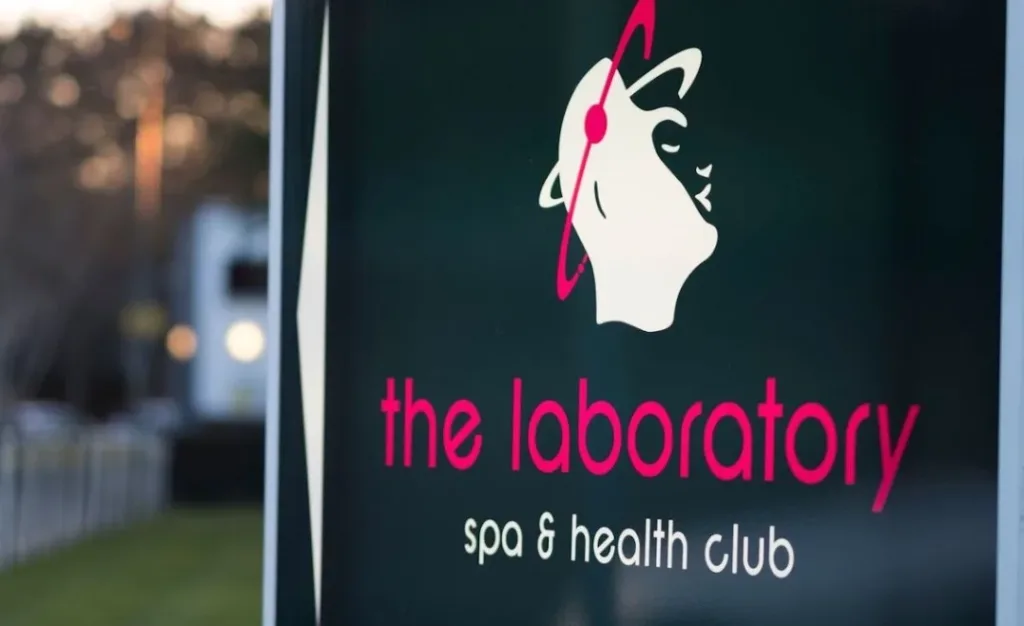
The Colindale ear wax removal service is based at The Laboratory Spa, close to the Fiveways Interchange and with straightforward links to the M1, A1 and A41. On-site parking is plentiful, including marked bays for disabled drivers, and the clinic is on the ground floor with level access for easy entry.
Ear Wax Removal Colindale North London Map, Location and Directions
You can get directions to our Microsuction Colindale North London Location here. Just put in your location in the specified area and Google Maps should lead you to the clinic.
%%JSLNAPSECTION_1_DE0265B6310F0FED%%
Probably the best ear wax removal clinic in Colindale – don’t just take our word for it – here are some of our many 5 star reviews:
Patient Safety at Our Colindale Clinic, What to Expect
Research Catalogue Results for Ear Wax Removal
- The auricular cough reflex: lateralization, prevalence, procedural determinants, and the role of examiner handedness. - van de Loo J, Mayer M, Sharaf K, Eckel H, Jansen L, Klussmann JP, Luers JC., 2026.
- High-definition otoscopic device for humanitarian mission: how i do it. - Lechien JR, Maniaci A, Kipsang MJ, Kibor M, Vaira LA., 2025.
- Use of Castor Oil in Dermatology: A Narrative Review. - Girdler K, Cabatu A, Olds H, Potts GA., 2026.
Source: Europe PMC. These are bibliographic matches, not personalised medical advice or an endorsement of a treatment.

At the Colindale ear care facility we apply a structured clinical governance framework so patient safety is embedded across the service. That framework covers staff training and competence, routine equipment checks, and formally recorded infection prevention steps. Practitioners follow documented protocols for risk assessment, cleaning or sterilisation of reusable tools, and emergency response planning. We monitor outcomes to drive ongoing improvement and to reduce the likelihood of complications such as tympanic membrane injury or infection.
When you attend, you will follow a consistent safety pathway from arrival through assessment and discharge. This typically includes a focused medical history to identify anticoagulant use or prior ear operations, an otoscopic inspection when indicated, and use of microsuction equipment designed for gentle suction rather than forceful irrigation. The service aims to minimise discomfort, protect hearing, and limit cross-infection, supported by clinical audit, staff training and clear consent discussions so you leave reassured about the care provided.
Core Safety Measures, Explained
We prioritise thorough hand hygiene, the use of single-use items where appropriate, and calibrated suction equipment, all subject to periodic audits that check adherence to clinic standards.
Patient-Centred Safety Checks
Prior to treatment we verify identity, review allergies and recent infections, and note any history of tinnitus or ear surgery so the clinician can tailor the approach to your needs.
Staff Qualifications, Training and Ongoing Competence
Clinicians at the Colindale site hold recognised ear-care qualifications and receive specific microsuction training that combines theory with supervised practical experience. Competence is reassessed regularly through observed practice, refresher training and participation in governance meetings. This ensures familiarity with ear anatomy, microscope use, appropriate suction settings and the management of potential complications such as minor bleeding or suspected perforation. Staff also undertake safeguarding and equality training so everyone is treated respectfully, with clear communication.
We keep records of continuing professional development, mandatory infection control training and simulation-style emergency drills. These measures help ensure patients are treated by practitioners who remain current with best practice and local protocols.
Ongoing Professional Development
Practitioners take part in peer review, formal courses and competency sign-offs to maintain clinical standards and sound decision-making during ear wax removal.
Supervision and Escalation Pathways
Less experienced staff are supervised until signed off, with defined processes to involve senior colleagues or refer to ENT specialists for complex cases.
Patient Tip
If your medical history is complex, tell the booking team so we can schedule an appointment with an appropriately experienced clinician.
Book Your Microsuction Appointment in Colindale, And End the Discomfort of Ear Wax.
The Colindale microsuction clinic welcomes patients from across London and surrounding areas, including North London, Northwest London, Hendon, Golders Green, Stanmore, Bushey, Watford, Harrow, Wembley, Finchley, North Finchley, East Finchley, Southgate, Finchley Central, Brent Cross, Barnet, New Barnet, Elstree, Wealdstone, Harrow Weald, Belmont, Cockfosters, Hadley Wood, and Highgate.
Equipment, Servicing and Sterilisation Practices

The clinic uses clinical microscopes, single-use suction tips and medically approved suction units that are set to safe parameters for microsuction. Equipment is maintained under a scheduled regime: daily functional checks, monthly servicing by competent engineers, and immediate removal of any item that shows signs of wear. Reusable instruments undergo validated sterilisation methods with logged records that note cycle identifiers, operator initials and storage locations to support traceability and reduce infection risk.
Disposable specula and suction catheters are single use and disposed of as clinical waste. Treatment surfaces are cleaned between patients with hospital-grade disinfectant, with extra focus on frequently touched areas. An inventory of spare parts is kept to avoid unnecessary downtime of critical equipment.
Why Equipment Maintenance Is Important
Well-maintained devices shorten procedure times, improve visibility inside the ear canal and lower the risk of equipment-related problems, which together enhance patient comfort and safety.
Other Clinics Nearby
Some alternative clinics near Colindale that offer ear wax services include the following locations; you may wish to compare options and availability.
- Mill Hill: Private Microsuction Ear Wax Removal In North West London
- East Finchley: Private Microsuction Ear Wax Removal In East Finchley N2
- Hendon: Private Microsuction Ear Wax Removal In North West London
- Finchley: Private Microsuction Ear Wax Removal In Finchley North London
- Edgware: Private Microsuction Ear Wax Removal In North London
- Barnet: Private Microsuction Ear Wax Removal In Barnet EN5
Nearby Options for Ear Wax Removal
If you are exploring alternatives, the list below highlights local clinics providing similar care so you can choose the location and appointment times that suit you.
Pre-Treatment Assessment, Contraindications and Consent
Before microsuction takes place we carry out a structured pre-treatment assessment that covers anticoagulant medication, diabetes, previous ear operations, recurrent infections and current symptoms such as sudden hearing changes or persistent tinnitus. Where clinically appropriate an otoscopic inspection is performed to check for perforation, discharge or atypical anatomy. These steps help clinicians decide whether microsuction is suitable or if ENT referral is required.
Informed consent is obtained after discussing the procedure, expected benefits, potential side effects and alternative options. Patients have time to ask questions and the discussion is recorded in the clinical notes. Consent also covers stopping the procedure immediately if a contraindication is identified mid-treatment, for example an active infection or a suspected drum perforation.
Contraindications We Screen For
- Known tympanic membrane perforation, which usually requires ENT assessment rather than routine microsuction.
- Severe vertigo or neurological signs that suggest inner ear involvement rather than simple wax impaction.
- Uncontrolled bleeding disorders or ongoing anticoagulant therapy, where bleeding risk must be carefully balanced.
- Active ear infection or otorrhoea, where performing microsuction could worsen symptoms or spread infection.
- Recent ear surgery, because healing tissue may be vulnerable and needs specialist review.
How We Record Consent
Consent is documented in writing on a standard form, recording the information provided and the patient’s understanding so the note supports continuity of care.
Designated Disabled Parking Bays
Parking Options Listed for This Location
- Free car park
Car Parks Near Hearing First Colindale London
- Ravensfield Theatre car park, approximately 0.7 miles from Hearing First Colindale London. View on Google Maps.
- ET parking, approximately 0.9 miles from Hearing First Colindale London. View on Google Maps.
- Hundred Acre Car Park, approximately 0.4 miles from Hearing First Colindale London. View on Google Maps.
Parking information and place links are provided by Google Maps. Check restrictions and charges locally.

Marked disabled parking bays are available directly opposite the main entrance for ease of access.
Disabled Parking Information
For visitors with mobility needs, there are designated parking bays located opposite the clinic entrance to make access straightforward.
This provision helps ensure a safe, comfortable arrival for patients with disabilities.
Infection Prevention, Hygiene and Waste Management
Infection prevention is central to clinic practice and follows recognised guidance on hand hygiene, appropriate personal protective equipment and segregation of clinical waste. Practitioners perform hand hygiene before and after each patient contact and use gloves and eye protection during microsuction. Treatment rooms are set up to allow effective cleaning between patients, and single-use consumables are used where clinically indicated to lower cross-contamination risk. Sharps and contaminated materials are placed in labelled containers and removed by licensed clinical waste contractors in accordance with regulations.
We run periodic audits covering hand hygiene, cleaning logs and correct waste disposal, and discuss findings in governance meetings to drive improvement. Staff receive recommended vaccinations for healthcare workers, which adds a protective layer for both staff and patients.
Essential Infection Control Steps
- Use handwashing with soap and water or alcohol hand rub at key moments during patient care to reduce transmission of pathogens.
- Employ appropriate PPE including gloves and eye protection for procedures with a risk of splashes or contact with mucous membranes.
- Prefer single-use ear canal instrumentation where feasible, and apply validated sterilisation for any reusable tools.
- Clean treatment surfaces thoroughly using hospital-grade disinfectants between patients, with cleaning activity recorded in logs.
- Dispose of clinical waste and sharps securely following hazardous waste regulations to avoid environmental contamination.
Comparing Microsuction and Ear Syringing

Many GP surgeries in North West London no longer provide ear syringing, often for funding and safety reasons. Ear irrigation can carry risks including infection, hearing changes, tinnitus, drum perforation and further impaction if wax is pushed against the eardrum. As a result, more people are choosing microsuction as an alternative. Demand for NHS microsuction has risen sharply, leading to long waits in some areas.
If you prefer not to wait, private microsuction is an option. To check availability, visit our booking page and you may be able to have the blockage cleared within days rather than weeks.
Fascinating Facts About Colindale
- The Colindale Clock Tower: Colindale is home to a historic clock tower, originally built in the 1930s, which stands as a landmark and a reminder of the area's architectural heritage.
- The Colindale Film Society: Established in 2010, the Colindale Film Society hosts regular screenings of classic and independent films, fostering a vibrant community of film enthusiasts.
- The Colindale Community Centre: The Colindale Community Centre offers a variety of activities and services for residents, including fitness classes, art workshops, and youth programmes.
- The Colindale Green Space: Colindale features a lovely green space known as Montrose Park, which provides a recreational area for families and hosts seasonal events.
- The Colindale Library: The local library in Colindale is a hub for learning and community events, offering resources for all ages and hosting regular reading sessions.
- The Colindale Heritage Trail: A self-guided heritage trail in Colindale showcases significant historical sites and buildings, allowing residents and visitors to explore the area's rich history.
- Colindale: Land of the Airships
In the early 1900s, Colindale was a centre for aviation. It was home to the Grahame-White Aviation Company, and at one point you could see airships drifting across the sky, casually parked like giant floating whales.
- A Mummy in a Tube Station?
During WWII, artefacts from the British Museum, including actual mummies, were stored in Colindale’s disused tube tunnels for safekeeping during the Blitz. Imagine catching the last train and sharing it with an ancient Egyptian. - Ear Wax Removal In Colindale
Ear wax removal is available from the experts at Hearing First Colindale on Mondays at The Laboratory Spa in London NW4 near the Fiveways Interchange, with easy access from the A1, A41 and M1 and plenty of free onsite parking. Click here to book now.
- The Bacon Sandwich Capital
The original RAF Museum café once had a cult following for its £1.20 bacon sarnies. Aviation buffs would show up just for the sandwich — the planes were secondary.
- Manga, Magazines & Madness
Colindale’s old British Library Newspaper Archive (demolished in 2013) was a treasure trove of weird and wonderful periodicals. Researchers regularly found Victorian tabloids, 1980s UFO newsletters, and long-forgotten boyband fanzines.
- The “Cursed” Flat Block
One residential block off Aerodrome Road allegedly had so many maintenance issues (floods, boiler failures, power cuts) that locals dubbed it “the cursed one.” Even the postman avoided it during storms.
- Secret Spy School
Rumour has it that a discreet-looking office block in Colindale once hosted MI5 training sessions in the Cold War era. No proof, of course… but who’s going to argue with a local named Derek who “used to work in signals”?
- The UFO Report Guy
For years, a man on Colindale Avenue handed out handwritten flyers about alien activity “over Hendon skies.” No one knew his name, but his theories involved pigeons as alien drones and secret signals in the sound of Northern line trains.
- The “Curry Corridor”
There’s a stretch of Edgware Road near Colindale that locals call the Curry Corridor, with a cluster of fantastic South Asian and Middle Eastern restaurants. Some locals have “spice crawl” nights, hitting three restaurants in a row.
- Colindale’s Tiny Police Museum
Hidden inside the Metropolitan Police Training Centre, there’s a mini museum of bizarre crime memorabilia, including Victorian handcuffs, antique riot gear, and a fake moustache once used in a sting.
- Flatpack Fame
IKEA in nearby Brent Cross (technically a Colindale pilgrimage for many) has been the site of countless sitcom scenes, YouTube pranks, and even an impromptu pillow fight flash mob in 2009. Yes, Colindale is that kind of quirky.
- The Whispering Tracks of the Northern Line
Locals claim that late at night, if you’re alone on the platform at Colindale station, you can hear faint whispering between the tracks — supposedly the voices of wartime evacuees who passed through during the Blitz.
- The Vanishing Man of Montrose Park
A mysterious elderly man in a long grey coat is said to appear briefly under the trees at dusk, only to vanish when approached. Some say he’s the spirit of a former groundskeeper who never left.
- The RAF Phantom
Staff at the RAF Museum report sightings of a pilot in full World War II uniform wandering the hangars after hours. He’s been dubbed “Flight Lieutenant Nowhere” — always seen, never identified.
- The Library That Hummed
When the old British Library Newspaper Archive still stood, researchers spoke of an eerie hum that grew louder the deeper into the stacks you went. Some blamed machinery, others said it was the books remembering.
- The Screaming Flat on Grahame Park
Residents of one particular flat claimed to hear loud, blood-curdling screams at exactly 3:13 a.m. for several nights every year in November — with no source ever found.
- The Policeman in the Mirror
Inside the tiny police museum at the Met Training Centre, there’s a mirror that some visitors say reflects a uniformed officer who isn’t there — a stern-faced constable from the 1940s who appears for just a moment.
- The Night the Streetlights Blinked
In 1997, nearly every streetlamp on Colindale Avenue flickered in unison for 7 minutes straight — followed by a total blackout. The cause was never confirmed. UFO enthusiasts still mark the anniversary.
- The Crying Pipes of Aerodrome Road
Tenants in several buildings have reported the sound of weeping coming from the pipes in the early morning — often described as a woman’s voice. Plumbers find nothing unusual.
- The Man Who Knew Tomorrow
In the early 2000s, a quiet man who frequented a local café was said to correctly predict train disruptions, storms, even election results — before disappearing overnight. His nickname? “Forecast Frank.”
Emergency Plans and Managing Complications
Although microsuction is commonly safe, the clinic maintains clear processes for recognising and managing complications such as suspected perforation, unexpected bleeding or vasovagal responses. Staff are trained in basic life support and immediate stabilisation, with emergency equipment available on site. For ear-specific issues we have rapid escalation procedures to contact ENT specialists and written referral pathways. All adverse events are recorded and reviewed as part of incident reporting to identify lessons and reduce recurrence.
We keep a log of incidents and outcomes, and convene multidisciplinary reviews to examine trends. This structured incident management supports patient safety through timely corrective action and targeted staff training where patterns are identified.
Immediate Steps After an Event
If an adverse event is recognised, clinicians stop the procedure, provide first aid as needed, explain the situation to the patient and document the findings before arranging appropriate follow-up or referral.
Incident Reporting and Organisational Learning
All incidents are logged, investigated and the findings used to inform training so the team can prevent similar occurrences in future.
Simple Guidance for Patients
Seek urgent professional attention if you experience worsening pain, new bleeding or sudden hearing loss after leaving the clinic.
When Specialist Review Is Needed
In cases of clinical uncertainty we favour referral to ENT for specialist assessment rather than proceeding with marginally indicated treatment.
On-Site Parking Availability

Free on-site parking is provided for patients visiting the clinic.
Parking at the Colindale Site
There is ample free on-site parking at the clinic, allowing straightforward access for visitors.
This makes attending appointments less stressful by removing the need to hunt for a space nearby.
Appointment Flow, Waiting Room Safety and Scheduling
Appointments are by pre-booking only, which allows the clinic to allocate the appropriate time for assessment and treatment and to limit waiting room crowding. When you book we ask for brief medical details relevant to ear care so clinicians can prepare for any special requirements. On arrival we confirm identity, review symptoms and perform a short infection risk screen. Waiting room seating and ventilation are managed to support comfort and to reduce transmission risk when necessary.
If you arrive late you may be offered an alternative slot to keep the clinic running safely and to respect other patients’ time. If you need additional time, for example due to mobility or communication needs, mention this at booking so staff can allocate a longer appointment. This approach helps clinicians provide safe, unrushed care.
Guidance for Patients Attending Appointments
- Inform the clinic about any recent ear symptoms or medications that could affect treatment, such as active ear discharge or blood thinners.
- Bring a companion if you need help with mobility or with understanding the procedure, to support consent and dignity.
- Arrive a few minutes early to complete any paperwork and to allow a calm, unhurried check-in process.
- If you have an infectious illness, contact the clinic before travelling to discuss rescheduling to protect other patients.
- Follow any pre-appointment instructions provided, for example avoiding ear drops unless advised by the clinician.
Video Guide, What to Expect in Your Colindale Appointment
Post-Treatment Care, Aftercare and Warning Signs
After microsuction patients are given clear verbal and written aftercare information. Typical advice includes avoiding water in the ear for a short period if there was mild irritation, recognising signs of infection such as increasing pain or discharge, and noting that transient tinnitus or mild discomfort can sometimes occur. Guidance on over-the-counter pain relief and when to seek review is provided. If a small perforation is suspected, we explain the reasons for referral and the likely follow-up with ENT services.
Follow-up may be a routine telephone check or an in-person appointment if symptoms continue. The clinician records the treatment given, the extent of wax removed and any immediate observations in the patient record to support continuity of care with other providers if needed.
When to Contact the Clinic
Please contact us if you notice new severe pain, bleeding, discharge, sudden hearing loss or persistent vertigo, as these signs need prompt clinical reassessment.
Self-Care Recommendations
Avoid inserting cotton buds into the ear after treatment and follow any instructions about topical medicines or refraining from swimming for a given period.
Level Access and Disabled Facilities

The clinic is on the ground floor and provides level access for patients with mobility needs.
Access for Patients with Disabilities
The ground-floor location offers level access to treatment rooms, helping patients with mobility limitations to attend appointments more easily.
We aim to remove barriers so everyone can receive the ear care they need with dignity.
Clinical Audit, Quality Assurance and Service Improvement
Quality assurance is supported by scheduled clinical audits and regular review of patient outcomes. Audits assess documentation of consent, compliance with infection control procedures, complication rates and patient feedback. Results are reported to the governance lead and used to update protocols, training and equipment lists. This closed-loop approach lets the clinic spot trends, for example rising post-procedure discomfort or device faults, and take corrective action quickly.
We compare practices with published best-practice guidance for ear microsuction and report serious incidents through established clinical channels when required. Patient comments are reviewed to inform improvements, helping the service remain responsive to local needs while maintaining high safety standards.
Example Audit Cycle
- Define the audit question, such as whether consent documentation meets the standard, and set measurable criteria based on national guidance and clinic policy.
- Collect a representative sample of recent records and review documentation, treatment details and outcomes to identify compliance gaps.
- Analyse the results to quantify performance against the standard and spot patterns that suggest training or process changes.
- Introduce targeted improvements, such as refresher training or checklist updates, and re-audit to measure impact and sustain better practice.
- Share findings with staff at governance meetings to maintain accountability and encourage continuous learning.
Equality, Accessibility and Dignity in Practice
Published Accessibility Features
- Wheelchair-accessible entrance
Accessibility details are provided by Google Maps. Contact the location to confirm individual requirements.
Accessibility and dignity are central to safe care. The clinic provides level access and facilities to support people with mobility or sensory impairment. Staff undertake equality and diversity training so they can offer respectful, non-assumptive care that recognises individual needs. Appointment scheduling can allow longer consultations for those who need extra support, and clinicians explain procedures in plain language to assist understanding and informed consent.
Reasonable adjustments are made where appropriate, such as offering a quiet waiting area or arranging a chaperone. Written information is presented clearly and staff will help with communication needs, for example by organising interpreters. These measures reduce the risk of misunderstandings that could affect safety or consent, ensuring everyone receives dignified care.
Practical Adjustments Available
Accessible seating, level access to treatment rooms, options for extended appointment times and arrangements for carers or advocates are routinely offered to support inclusive care.
Privacy and Confidentiality
Treatment is carried out in a private clinical room with doors or curtains closed, and staff ask permission before discussing health details in public areas.
How to Book an Appointment

Private ear wax removal is by appointment due to demand. You can book an ear microsuction appointment online, or use the booking button below to secure a slot.
Records, Data Security and Medication Handling

Accurate clinical records are essential for safe care. We record assessments, consent, treatment details and any advice given, storing data in a secure system that meets data protection requirements. Access to records is restricted to authorised staff and audit trails record entries and changes. When topical medicines or ear drops are advised, clear instructions on dosage, duration and any contraindications are provided. Medicines are managed according to safe practice, with expiry checks and secure storage.
Secure record-keeping and controlled access help prevent errors and support continuity of care. When referrals are made to other providers, documented findings and reasons for onward referral are shared securely to preserve confidentiality while enabling effective handover.
Good Record-Keeping Practices
- Record the presenting complaint and relevant medical history in sufficient detail to support future care and to justify the chosen treatment approach.
- Document the clinician’s observations during otoscopy and the extent of wax removal, including any complications or reasons for stopping the procedure.
- Note consent discussions, patient questions and the information given about aftercare so the record supports understanding and legal clarity.
- Store records in a secure electronic system with role-based access controls and regular backups to protect integrity and availability.
- Transmit referral information securely using recognised clinical referral pathways to maintain continuity of care across providers.
Hearing First Colindale
Located within Laboratory Spa & Health Club - Mill Hill,
URL: https://www.hearingfirst.co.uk/book-ear-wax-removal-near-me/book-microsuction-ear-wax-removal-colindale/