Private Microsuction Ear Wax Removal in Finchley, North London — Where to Find and How to Book
Guide Refreshed - 2026-07-31 17:37
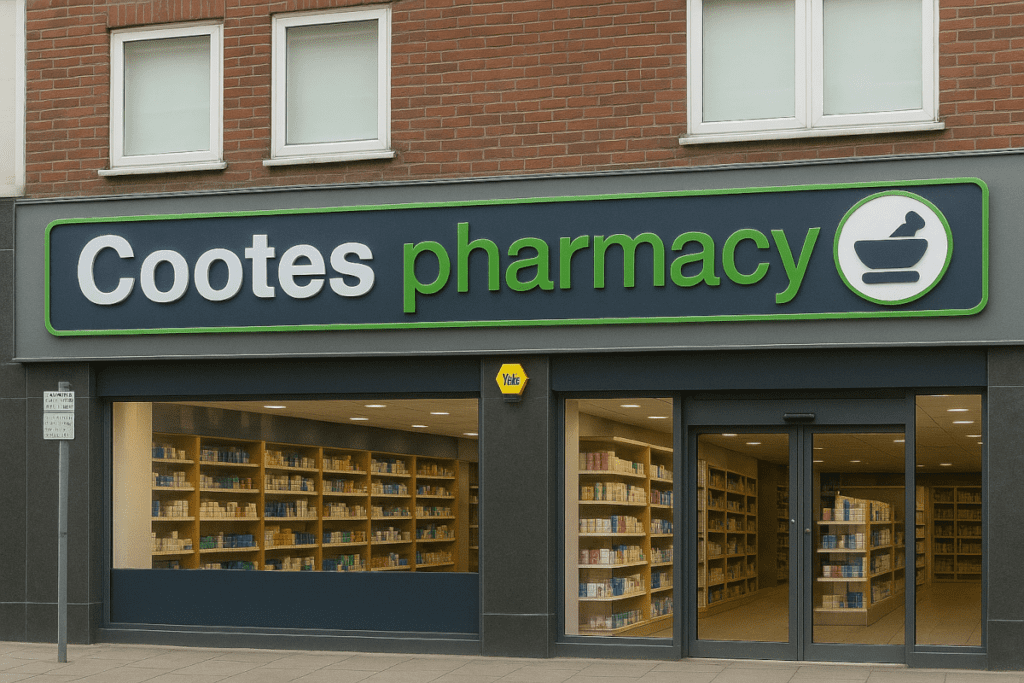
The Finchley microsuction clinic is sited within Cootes Pharmacy on High Road, opposite Co-op Funeral Care. The consultation room is on the ground floor with level entry, and nearby on-street parking is generally free except for a mid-afternoon pay-and-display window between 2 pm and 3 pm, so factor in a little extra arrival time. The clinic welcomes audiology patients and hearing-aid users, and staff routinely check device fit and offer cleaning where needed during the same visit.
Where to Find Finchley Microsuction and How to Book

If you are looking for private microsuction ear wax removal in Finchley, this section explains the clinic location, how microsuction works and the practical booking routes you will encounter. Microsuction uses a fine suction probe together with magnification so the clinician can remove cerumen under direct vision, taking care to protect the tympanic membrane. Many patients opt for private clinics to avoid lengthy NHS waits and to combine treatment with a targeted audiology check. The Finchley service operates from a ground-floor consultation room with level access, and clinicians often examine hearing-aid fit and provide ear-hygiene guidance during the same appointment. Typical steps include a brief medical history, an otoscopic inspection for perforation or infection, and obtaining verbal consent before treatment. You can usually book by phone or via an online booking system that displays available slots, and clinics advise bringing hearing devices so they can be checked or cleaned if necessary.
What Happens on Your Initial Visit
When you arrive reception will confirm your identity and note any relevant medicines such as anticoagulants. The clinician will ask targeted questions about prior ear operations, recurring infections or dizziness, then inspect the ear with an otoscope and discuss whether microsuction or a different approach is safest. A routine bilateral appointment commonly takes about 20 to 40 minutes, and you will be given aftercare guidance including whether ear drops should be used before or after the treatment to soften stubborn wax. If follow-up is advised you will be offered options for timing and, if unusual findings are present, the clinician may recommend ENT referral.
Practical Parking Near the Clinic
Car Parks Near Hearing First Finchley London
- Parking lot, approximately 0.5 miles from Hearing First Finchley London. View on Google Maps.
- Medivet Hampstead garden suburb car park, approximately 0.9 miles from Hearing First Finchley London. View on Google Maps.
- Parking lot, approximately 0.9 miles from Hearing First Finchley London. View on Google Maps.
Parking information and place links are provided by Google Maps. Check restrictions and charges locally.
Parking close to the Finchley clinic can be restricted during busy periods, although several short-stay options suit a 20 to 40 minute visit. Free on-street spaces exist in nearby residential roads, however some carry school-time restrictions. Pay-and-display bays run along the High Road and a pay-by-phone system operates locally; take note of the bay number and enforcement times to avoid penalties. Blue badge drivers have designated places or exemptions which the clinic can clarify when you book.
- Evening appointments are generally easier for parking; if you have mobility needs or carry hearing devices, choose the nearest bay and tell reception on arrival for assistance.
- Pay and display bays on High Road accept coins and pay-by-phone, so double-check signs for limits and enforcement hours to avoid fines.
- Free residential parking may be found on side streets within a short walk, but some restrictions apply at particular times, so read notices before leaving your car.
- If collecting a patient after their appointment, consider a short drop-off by the entrance to limit parking time and ease traffic on High Road.
- Short-stay on-street bays near the pharmacy are handy but become scarce in late morning; arrive early or use a nearby public car park to be sure of a space.
Qualifications and Safety Measures for Clinicians
Research Catalogue Results for Ear Wax Removal
- The auricular cough reflex: lateralization, prevalence, procedural determinants, and the role of examiner handedness. - van de Loo J, Mayer M, Sharaf K, Eckel H, Jansen L, Klussmann JP, Luers JC., 2026.
- High-definition otoscopic device for humanitarian mission: how i do it. - Lechien JR, Maniaci A, Kipsang MJ, Kibor M, Vaira LA., 2025.
- Use of Castor Oil in Dermatology: A Narrative Review. - Girdler K, Cabatu A, Olds H, Potts GA., 2026.
Source: Europe PMC. These are bibliographic matches, not personalised medical advice or an endorsement of a treatment.
Clinician competence and governance underpin safe ear-wax care. The Finchley microsuction service is delivered by practitioners with recognised microsuction training and ear-health experience, registered with the relevant regulator. You should expect to see a summary of the practitioner’s qualifications, a medical-history review and an otoscopic check to exclude contraindications such as a perforated eardrum or middle ear disease. Infection-control processes, single-use or sterilised instruments and documented consent form part of the clinic’s routine quality checks.
Secure Your Microsuction Appointment Today, Leave Ear Wax Discomfort Behind.

The Finchley clinic also welcomes patients from surrounding areas including Yarnton, Islip, Woodstock, Thame, Beckley, Cowley, Littlemore, Headington, Eynsham, Kidlington, Charlton-on-Otmore, Stanton Harcourt, Hardwick, Kingston Bagpuize, Gozzard’s Ford, Freeland, Sandford-on-Thames, Radley, Wootton, Marston and other nearby villages; many people travel for specialist ear care and audiology.
Blue Badge and Disabled Parking Advice
The Finchley site aims to make arrival straightforward for blue badge holders and people with reduced mobility. Local rules permit blue badge parking in certain restricted zones for short periods, so always check signage on arrival. The pharmacy entrance is at street level which reduces the distance from car to consultation room; call ahead if you need help and the team can arrange a discreet meeting point or point you to nearby accessible spaces.
Clinic Accessibility and Layout at Finchley
Published Accessibility Features
- Wheelchair-accessible entrance
Accessibility details are provided by Google Maps. Contact the location to confirm individual requirements.
The Finchley clinic is arranged to be accessible, situated at ground level in a community pharmacy so entry is straightforward for most patients. Level access from pavement to the consultation room reduces transfers if you use mobility aids, and waiting areas are laid out to allow space for carers or escorts. Clinicians and staff are experienced supporting patients with diverse needs, for example those who use complex hearing aids, so notify reception of mobility or communication requirements when booking. The clinic keeps single-use or sterilised equipment prepared for each appointment and follows infection-control steps to reduce cross-contamination risk.
Accessibility Features to Be Aware Of
- Door widths and internal circulation space are sufficient for most manual wheelchairs; if you use a particularly wide chair, notify reception when booking so staff can prepare a suitable room or help on arrival.
- If you need assistance with parking or a short drop-off by the entrance, the clinic will note this and advise on the most practical place to stop and unload before collecting your vehicle afterwards.
- The entrance is at pavement level and usually allows easy wheeling of standard mobility frames and wheelchairs into reception without steps, so patients with limited mobility can access the clinic with minimal assistance.
- Staff are used to communicating with people who have hearing impairment and can provide printed aftercare instructions; they may also offer a quiet room if background noise makes communication difficult.
- Seating is provided in the waiting area and clinicians can arrange a discreet meeting point if you prefer a companion to remain outside until the clinician is ready to see you.
Frequently Asked Queries
- Can I drive home after treatment? Most patients can drive afterwards, however if you feel dizzy or are given medication that affects balance, arrange alternative transport or someone to accompany you.
- How often should I have my ears checked? This depends on the individual; people with frequent wax or who use hearing aids often benefit from checks every three to twelve months to prevent buildup and maintain device performance.
- Is microsuction painful? Most people find microsuction comfortable with only minor sensations; clinicians avoid touching the eardrum and will pause if you feel discomfort, using gentle suction strokes to clear compacted wax.
- Will my hearing improve immediately? In many cases hearing improves straight away after wax removal, though a brief change in perception or slight irritation can occur; the clinician will set realistic expectations based on how obstructed the ear was.
- How long will the appointment take? A routine microsuction visit usually lasts 20 to 40 minutes, but clearing both ears or dealing with heavily impacted wax can extend the time, so booking systems often allow longer slots where needed.
- What if there is an ear infection? If signs of active infection are present, such as pain, discharge or fever, microsuction may be postponed until the infection is treated and the clinician will advise appropriate medical management first.
Appointment Process
The clinician will take a short ear and medical history, inspect the ear with an otoscope to check for infection or perforation, explain the chosen method and obtain consent, then proceed with microsuction under the microscope. After treatment you will receive brief aftercare advice and, if needed, a follow-up appointment.
Allow roughly 20 to 40 minutes for a routine microsuction visit, with longer times possible if canals are narrow or wax is heavy. The clinician will advise on aftercare such as using ear drops before the visit if recommended and when to seek review for pain, discharge or ongoing hearing loss.
Disabled Parking Regulations

Where local signage permits, blue badge holders can usually park for up to three hours on certain restricted lines nearby, giving time for microsuction and any immediate aftercare.
When Irrigation Might Be Used
Some clinicians still offer irrigation for ears that are otherwise healthy without prior perforation or surgery, but most specialists prefer microsuction where diagnostic uncertainty or ear complexity exists. Your Finchley clinician will recommend the safest approach after an initial inspection.
How Microsuction Is Carried Out and Why Clinicians Choose It
Microsuction is a targeted, microscope-assisted technique for removing impacted wax from the ear canal. The practitioner uses a small suction probe to extract cerumen while viewing the canal under magnification, which lowers the chance of pushing wax toward the eardrum or creating pressure in the canal. This approach is particularly helpful for narrow canals, fragile or previously damaged tympanic membranes, and for hearing-aid users who require careful wax management. Microsuction avoids introducing water into the ear, reducing the risk of moisture-related skin problems after treatment, and is often the preferred option when prior irrigation caused discomfort or there is diagnostic uncertainty.
Clinical Steps During the Procedure
The process begins with a brief history and otoscopic inspection to rule out contraindications. If it is safe to proceed, the clinician will seat you comfortably, use a microscope or magnifying loupe, and perform gentle suction strokes while frequently checking visibility. They will pause if you report discomfort and stop immediately if there are signs of infection, bleeding or perforation, arranging suitable medical review. Many straightforward cases are resolved in one session, but very hard or longstanding impactions may require staged treatment with ear drops between visits to soften wax prior to another microsuction attempt.
When Microsuction May Not Be Appropriate
Microsuction may be delayed or avoided if there is active discharge, acute infection, severe pain or recent ear surgery; in these situations the clinician will advise medical treatment first or arrange ENT referral. Patients with sudden worsening hearing or balance issues may need urgent assessment rather than routine wax removal, and clinicians follow clear pathways to ensure safety and appropriate escalation.
Helpful Practical Tip
If you regularly form wax, ask about a maintenance plan during the consultation to reduce repeated blockages and protect hearing-aid performance; clinicians can recommend preventive measures and suitable intervals for follow-up checks.
Further Sources and Links
More details about the Finchley ear-wax removal clinic are available via this page.
How to Book Your Microsuction Visit
Booking a private microsuction appointment in Finchley is straightforward and available online or by phone. Appointments are arranged in advance to keep patient flow smooth and to allow clinicians adequate time for taking a medical history and performing any hearing checks.
Where to Park Close to the Clinic
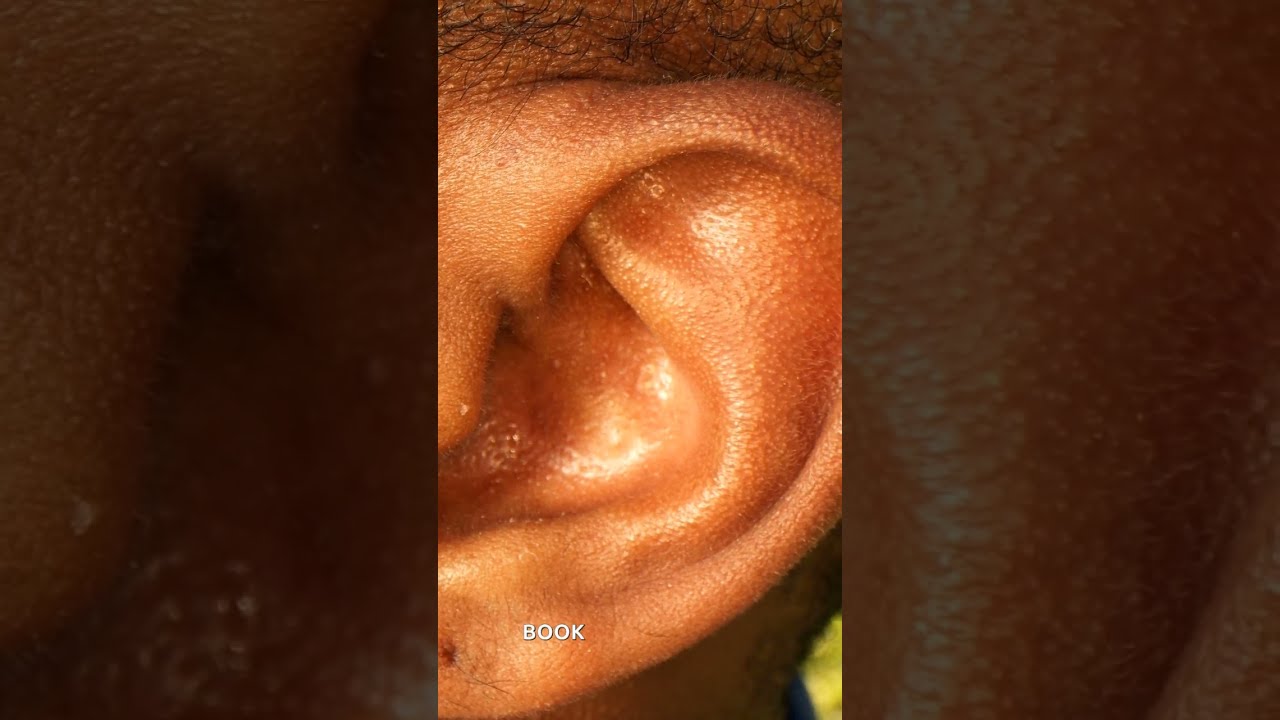
There are a small number of free on-street spaces close to the pharmacy except between 2 pm and 3 pm. Pay-by-phone and pay-and-display bays are nearby, and additional free parking (except between 9 am and 10 am) can be found by the library; always check local signs for precise times and restrictions.
Location, Map and Directions to the Finchley Clinic
Using a mapping app or following High Road signage makes finding the Finchley microsuction clinic straightforward. The clinic is at street level inside a community pharmacy near clear landmarks, which helps if you walk, take the bus or drive. The postcode reliably locates the site in satnavs and online maps; turn-by-turn directions will take you to the nearest entrance. The High Road has level pavements from nearby tube and rail links, making it accessible for most visitors.
- If you use a taxi or rideshare, tell the driver the pharmacy entrance so you avoid unnecessary walking if you have temporary balance or hearing issues.
- From Finchley Central tube, expect about a 10 to 15 minute walk along High Road, passing shops and bus stops, with pavements generally suitable for prams and mobility aids.
- For drivers, enter the clinic postcode into your satnav and allow time for short-stay parking or pay and display bays, especially during busy late mornings and early afternoons.
- Pedestrian approaches from local stations include dropped kerbs at main crossings and are mostly step-free, although some side streets may have small kerb changes, so factor in extra time if mobility is limited.
- If arriving by bus, several routes stop on High Road within a two minute walk of the pharmacy; check operator websites for live times to avoid waiting in poor weather.
Helpful Arrival Tips
When booking, confirm your arrival time, mention any mobility needs and ask which entrance is best. Check the clinic number before you set off in case there are last-minute changes or temporary closures affecting access.
Plan Your Journey
If you wear a hearing aid, bring spare batteries and a case; many patients remove aids for microsuction but clinicians will advise. Allow an extra 15 minutes for parking or walking from public transport where possible.
Travel Note for Events
On bank holidays or during local events, bus timetables may change, so check with the transport operator or contact the clinic if you expect to arrive during an event that could affect travel times.
Assistance for Step-Free Travel
If you need step-free assistance at stations, contact the transport provider ahead of travel to confirm lifts and staff support, which can make arrival at the clinic easier.
Access for Disabled Patients

The clinic is located on the ground floor and benefits from level access, which eases arrival for most mobility needs.
Finchley: Local Facts and Curiosities
- Finchley’s Historic Synagogue: The Finchley Reform Synagogue, established in 1938, is one of the oldest Reform synagogues in the UK, reflecting the area's diverse religious heritage.
- The Finchley Memorial Hospital: Opened in 1928, Finchley Memorial Hospital has served the community for decades, providing essential healthcare services to local residents.
- Finchley’s Green Spaces: Finchley is home to several parks, including Victoria Park and Cherry Tree Wood, which offer recreational spaces and natural beauty for the community.
- The Finchley Arts Festival: Every year, Finchley hosts an arts festival that showcases local talent in music, theatre, and visual arts, fostering community engagement and creativity.
- The Finchley Golf Club: Established in 1893, Finchley Golf Club is one of the oldest golf clubs in London, providing a scenic course for golf enthusiasts.
- The Finchley Society: Founded in 1966, The Finchley Society is dedicated to preserving the local heritage and promoting community interests in Finchley.
- Finchley’s Architectural Diversity: The area features a mix of architectural styles, from Edwardian and Victorian homes to modern developments, showcasing its evolving landscape.
- The Dollis Valley Greenwalk: The Dollis Valley Greenwalk is a scenic walking route that follows the path of the Dollis Brook, connecting Finchley to nearby green spaces.
- The Finchley Ice Cream Legend
In the 1950s Finchley’s High Road became known for its Italian ice cream parlours, making the area a popular summer spot for Londoners craving a sweet treat. - Finchley Central Station’s Musical Fame
The New Vaudeville Band’s song “Finchley Central” in the 1960s put Finchley Central in the national spotlight, celebrating the area and its busy Underground stop. - The Great North Road
Finchley developed around the historic Great North Road, a major coaching route, giving Finchley a long history as a stopping point for travellers. - Finchley’s Own Observatory
In the early 20th century Finchley had a private observatory where local astronomy enthusiasts gathered long before modern light pollution made stargazing difficult. - Victorian Villas Galore
Finchley features numerous Victorian villas, offering a glimpse of London’s suburban expansion in the 19th century and pleasant streets to explore. - The Finchley Literary Connection
Authors such as Spike Milligan and Michael Rosen have lived near Finchley, drawing inspiration from the character and history of the neighbourhood. - Haunted Tales from Finchley
Finchley has a selection of ghost stories, including sightings along Ballards Lane, adding a touch of local folklore to the area’s history. - Finchley’s Underground Wartime Secrets
During World War II Finchley’s shelters and tunnels played a key role in protecting residents, a reminder of the area’s wartime resilience and organisation. - Finchley’s Famous Tree Walk
Before modern parks, Finchley was noted for grand tree-lined walks where Londoners enjoyed fresh air without leaving the city. - Ear Wax Removal in Finchley
Ear wax removal is provided by the specialists at Hearing First Finchley on Thursdays at Cootes Pharmacy in London N2 opposite Co-op Funeral Care. Book a microsuction appointment here. - The Oldest Parish Church
St Mary’s Church in Finchley is more than 800 years old, reflecting Finchley’s long-standing community heritage. - Avenue House
Avenue House, now Stephens House and Gardens, is one of Finchley’s treasured historic sites, with mansion and gardens that showcase local Victorian grandeur. - The Old Tram Depot
Finchley once hosted a tram depot, linking the area to London’s wider tram network and helping shape Finchley into a commuter suburb. - Margaret Thatcher’s Political Birthplace
Finchley was the constituency of Margaret Thatcher, the UK’s first female Prime Minister, giving the area notable political significance. - Finchley’s Lost Rivers
Hidden rivers such as Mutton Brook and Dollis Brook once ran through Finchley, shaping the landscape before urban development. - Hidden WWII Relics
Visitors can still spot remnants of air raid shelters in Finchley parks, subtle echoes of the area’s role in wartime defence. - The Finchley Lido Leisure Centre
The original Finchley Lido opened in the 1930s as an open-air pool, a fashionable leisure spot in its day for local residents. - The Finchley Ghost Bus
Local legend tells of a phantom bus on the North Circular Road, adding a mysterious strand to Finchley folklore. - Finchley’s Ancient Forest Past
Centuries ago much of Finchley was part of Finchley Wood, a segment of the old Middlesex Forest that gave the area its natural heritage.
Parking, Drop-Off and Blue Badge Tips for Finchley Visits

Parking close to the Finchley clinic varies by time of day, and a practical approach can reduce stress on the day of the appointment. There are a limited number of short-stay free bays within easy walking distance, although some streets enforce a mid-afternoon pay period. Pay-and-display bays and pay-by-phone systems run along the High Road, while nearby residential roads may allow longer stays but check signage carefully to avoid fines. Blue badge holders can usually use certain restricted lines for short periods where local rules allow, which is useful if a carer remains with the patient during microsuction.
Recommended Parking Strategy
- If you are travelling by taxi or community transport, request drop-off as close to the ground-floor access point as possible, and the clinic can arrange to meet you at a convenient location if required.
- If you hold a blue badge, display it clearly and confirm local signage permits temporary stops at restricted bays; notify the clinic when booking so staff can guide you to the most suitable accessible space.
- Plan to arrive 10 to 15 minutes early to allow time to find a bay and complete registration, since short-stay spots closest to the clinic fill rapidly during late mornings and early afternoons.
- For drop-off and collection, use the nearest lay-by or entrance point rather than parking on double yellow lines, and ask reception if a brief assisted drop-off can be provided for mobility-impaired passengers.
- If you expect a longer visit or need to park a larger vehicle, consider nearby public car parks with designated accessible bays and usually longer permitted stays than on-street options.
Microsuction Versus Ear Syringing
Many GP surgeries in North London no longer offer ear syringing, partly because microsuction is considered safer. Syringing can carry risks including infection, tinnitus, reduced hearing, a perforated eardrum and further impaction where wax is pushed toward the drum. Given these concerns, an increasing number of patients choose microsuction rather than syringing; NHS microsuction capacity is limited in many areas, so private options provide faster access.
You do not necessarily need to wait months for microsuction. Consider private care for quicker treatment; many people find it more convenient than expected. Simply visit the booking page to view available appointments and secure a slot.
Blue Badge Practical Details
- If you are unsure where to park legally, reception can point you to the safest nearby bays and explain local rules to help avoid fines or towing risks.
- Bring and display your blue badge correctly on the dashboard, as enforcement officers will check visible permits during restricted periods.
- Blue badge holders may park on some restricted lines for up to three hours where local signage allows, providing time for microsuction and immediate aftercare.
- If you depend on a wheelchair or walking aid, tell the clinic when booking so staff can reserve a practical drop-off spot and offer support on arrival.
- For longer appointments, consider nearby public car parks that usually provide designated accessible bays and extended permitted stays.
Clinic Video and What to Expect at Your Visit
A short clinic video can make your first microsuction appointment less stressful. The film shows the clinician using a microscope and a small suction probe, demonstrates the seating position and covers simple steps such as removing hearing aids and breathing calmly. Visual guidance reassures patients and carers about the visit sequence; the Finchley clinic hosts an introductory video on its booking page explaining preparation, the procedure and aftercare.
Step-By-Step Booking Instructions
- On confirmation check the reminder for arrival time, address and any instructions about removing hearing aids or applying ear drops so your visit runs smoothly.
- If you prefer to phone, call during business hours and reception will offer available times, note accessibility needs and explain payment options.
- If you must cancel or reschedule, give as much notice as possible so the clinic can reallocate the slot to those in urgent need.
- Visit the clinic’s online booking page and pick a microsuction slot that suits you; the system displays clinic times and any pre-appointment guidance to follow.
- Bring photographic ID if requested, and any records of ear surgery or audiology tests, especially if you use hearing aids or have a complex history.
Booking Methods, Phone and Online, and What to Prepare
You can usually book a microsuction appointment in Finchley by telephone or via the clinic's online portal. Both routes let you view available times and flag any accessibility or clinical requirements. When booking, have to hand basic contact details, a concise ear-related medical history including past perforations or ear surgery, and information about anticoagulant medication or bleeding disorders. If you use hearing aids, note this so the clinician can allow time to check device function. Many clinics ask patients to arrive ten minutes early to complete paperwork and keep appointment flow on schedule, supporting infection control and reducing waiting-room numbers.
Details the Clinic Will Request
- If you need an interpreter, sign language support, or a chaperone, request this when booking so the clinic can make suitable arrangements and allocate enough time.
- Clinics will ask if you use hearing aids, cochlear implants or other assistive listening devices, because this affects the procedure and the advice given afterwards.
- The receptionist or online form commonly requests full name, contact telephone, a brief summary of ear symptoms and whether you have had prior ear surgery or recurrent infections to help allocate an appropriate appointment slot.
- Some clinics ask for photographic ID for first-time patients; check the booking confirmation or pre-appointment email so you can bring the right documentation.
- If you take blood-thinning medication or have a bleeding disorder, provide this in advance so the clinician can plan safely and allow extra aftercare time if required.
Step by Step Booking Guide
- Call the clinic during business hours to speak with reception who will provide available times and discuss any accessibility requirements.
- Alternatively, visit the clinic’s online booking page to choose a suitable microsuction slot and view pre-appointment instructions.
- On confirmation, check the reminder for arrival time and any guidance on hearing aids or ear drops.
- If you need to cancel or reschedule, give as much notice as possible so the slot can be allocated to another patient.
Building Access and Room Layout
The consultation room is on the ground floor with level entry from the pavement; doorways and internal space accommodate standard wheelchairs and most mobility frames, but if you require stretcher access or use an unusually wide chair, contact the clinic in advance.
Guidance for Carers and Escorts
List carers or escorts when booking so the clinician can set aside appropriate time and prepare seating or extra space for accompanying people during the consultation and microsuction procedure.
Private Microsuction Ear Wax Removal in Finchley, North London: Location and Booking

If you need private microsuction ear wax removal in Finchley, this page sets out the clinic location, what to expect during the appointment and how to secure a prompt visit with a registered clinician. Microsuction uses a small suction probe and an operating microscope so wax is removed under direct vision, typically in a single session. The Finchley service runs from a ground-floor consultation room within a community pharmacy, with level access and nearby parking. Appointments are pre-booked to support infection control and to allow for any initial hearing checks or hearing-aid advice.

The Finchley clinicians regularly manage impacted cerumen, recurrent blockages and wax in hearing-aid users. They will take a concise medical history, examine the ear with an otoscope to check for perforations or signs of infection, and advise whether microsuction is the safest option. Fees apply for private care, however many patients prefer the speed and convenience compared with NHS waiting lists. You can book by phone or online; bring hearing devices and be prepared for a short follow-up if recommended.
Microsuction Versus Ear Syringing
Microsuction is a precise wax-removal technique using a microscope and a small suction instrument, which lets the clinician work under direct vision. It reduces canal pressure and is favoured when the eardrum may be at risk or if irrigation has caused prior problems.
- Safety: microsuction avoids placing water into the ear canal, lowering infection risk and reducing the chance of pushing wax toward the eardrum.
- Practical Benefit: with many GP practices stopping syringing, private microsuction provides shorter waits and specialist attention for timely wax removal.
- Effectiveness: when performed by trained clinicians, microsuction suits impacted wax and complex canals, for example in hearing-aid users.
Key Practical Details
Address: High Road, Finchley N2, inside a pharmacy. Telephone bookings are taken and the online system shows available microsuction and ear-health appointments. Typical visits last 20 to 40 minutes depending on complexity, and the clinician will explain any aftercare, including recommended ear drops or ear-hygiene suggestions.
Payment, Insurance and Receipts for Private Microsuction
Published Payment Methods
- Credit cards
- Debit cards
- Contactless or NFC payments
Payment information may change. Confirm prices, insurance eligibility and accepted methods directly with the provider. Place attributes are provided by Google Maps.
Private microsuction is provided as a healthcare service and clinics will explain fees clearly when you book. Many practices accept card payments and can issue itemised receipts suitable for insurance reimbursement where policies include ear microsuction or allied audiology services. Before agreeing to treatment, ask whether the quoted fee covers pre-appointment checks such as otoscopy, and whether follow-up visits or aftercare items like ear drops or sterile consumables are included. If you intend to claim via private medical insurance, check if preauthorisation or a referral letter is needed and request an invoice and clinical note after treatment to support your claim.
Practical Steps for Payment and Insurance
- Request an itemised receipt and a short clinical note if you need documentation for an insurer, employer or occupational health, as most clinics will supply these on request to support claims.
- If you plan to claim from private medical insurance, check the policy for authorisation rules and provide any claim reference or authorisation code at booking to avoid delays in reimbursement.
- Confirm the total fee when you book and ask what is included, for example whether both ears, a hearing check or a brief aftercare review are part of the appointment price, so you know what to expect on the day.
- Ask about cancellation and refund policies in case you need to reschedule, because some clinics apply short-notice charges while others offer flexible rebooking for clinical reasons such as active ear infection.
- For self-funding patients, some clinics offer reduced rates for repeat maintenance appointments; enquire about follow-up pricing if you expect to attend regularly for wax management.
Other Local Clinics Worth Considering
If Finchley is booked or a different location suits better, here are nearby clinics offering comparable microsuction services:
- Colindale: Private Microsuction Ear Wax Removal, Northwest London
- Mill Hill: Private Microsuction Ear Wax Removal, Northwest London
- Hendon: Private Microsuction Ear Wax Removal, Northwest London
- Barnet: Private Microsuction Ear Wax Removal, Barnet EN5
- Edgware: Private Microsuction Ear Wax Removal, North London
- East Finchley: Private Microsuction Ear Wax Removal, East Finchley N2
Nearby Clinics and Alternative Sites
If the Finchley clinic is fully booked, several neighbouring private clinics in North London offer similar microsuction services. These practices generally maintain comparable standards of care and employ clinicians trained in microsuction and audiology.
Insurance and Payment Notes
Private appointments incur a fee; some insurers may cover microsuction when it is clinically justified, so confirm your policy and bring any authorisation codes. The clinic accepts card payments and will provide receipts for insurance claims when requested.
Checks, Governance and Safety
- Clinicians keep records of training and competencies in microsuction and ear examination, and the clinic conducts internal audits for quality improvement and patient safety.
- Each appointment begins with a safety checklist confirming identity, noting anticoagulant therapy or recent ear surgery, and checking for previous infections or tympanic membrane issues.
- Equipment is serviced according to manufacturer guidance, disposable suction tips are used when appropriate and single-patient consumables reduce cross-infection risk between treatments.
- Patients receive written or verbal aftercare instructions, and the clinic has a clear route for urgent review if pain, bleeding or worsening hearing occurs after a procedure.
- When insurance is relevant, practitioners can provide receipts and clinical notes to support claims, and many clinics publish cancellation and refund terms for transparency.
Map, Location and Directions to the Finchley Clinic
You can get directions to our Microsuction Finchley Location here, enter your start point and Google Maps will guide you to the clinic.
%%JSLNAPSECTION_1_ACF7F7A3761CAB1A%%
Widely regarded as a leading ear wax removal clinic in Finchley, we have many positive reviews from satisfied clients; see our testimonials and patient feedback for reassurance about quality and care.
Location and Directions
Hearing First Finchley operates from High Road within Cootes Pharmacy opposite Co-op Funeral Care. The clinic is ground floor with level access; enter 166-168 High Road N2 into Google Maps for reliable turn-by-turn directions.
- Transport: the site is well served by local buses and is a short walk from nearby stations; use mapping apps for precise walking routes.
- On arrival: bring hearing aids or audiology notes, and allow extra time for drop-off and short-term parking if needed.
- Driving and parking: limited free on-street parking is available, so check for peak-time restrictions and pay-and-display periods when planning your journey.
Aftercare, Follow-Up and General Ear Health Advice

After microsuction you will be given clear aftercare guidance designed to lower the chance of recurrence and protect the ear canal skin. Common advice includes avoiding water entry to the ear for a short period if instructed, using prescribed ear drops to manage dryness or irritation and returning promptly for review if you experience pain, discharge or ongoing hearing loss. Follow-up appointments are arranged when required, for example if wax is particularly stubborn or if you need ongoing audiology support for hearing-aid adjustments. Clinicians provide written or verbal instructions and can propose a routine check interval if you are prone to repeated impaction.
Common Aftercare Recommendations
- Return immediately to the clinic or seek urgent review if you develop severe pain, bleeding, continuous discharge or sudden worsening of hearing following the procedure.
- If ear drops are advised, follow the dosing schedule carefully and complete the course, noting that some preparations help soften wax before a subsequent microsuction visit if required.
- Do not introduce water into the ear canal for the period recommended by the clinician, and avoid swimming or vigorous showering until the ear has settled to reduce infection or irritation risk.
- For hearing-aid users, bring devices to the appointment so clinicians can check fit and function and schedule a brief review if any cleaning or reprogramming is needed after wax removal.
- Discuss a personalised recall interval with the clinician if you have recurring cerumen, as maintenance appointments every three to twelve months can prevent buildup and support hearing-aid performance.
How to Book Appointments
Because demand is high, private ear-wax removal is by appointment only. You can book an ear microsuction appointment here, or use the button below to reserve your slot:
Clinical Advantages of Microsuction
- Microsuction often provides faster access compared with NHS waiting lists, which benefits people with significant hearing loss or occupational needs who cannot wait.
- Visual control allows clinicians to remove wax in careful stages, which can be more comfortable for anxious patients and those who have had poor experiences with irrigation.
- Microsuction reduces the risk of forcing wax onto the tympanic membrane, important for patients with thin or previously damaged eardrums and for hearing-aid users with complex canals.
- Because it does not use water, microsuction lowers the chance of creating a moist environment that could promote infection in narrow canals or where skin conditions exist.
- As part of a long-term plan for recurrent impaction, microsuction can be combined with preventive advice and ear-care products to reduce repeat problems and support ongoing ear health.
Nearby Clinic Options
- Mill Hill clinics often have more parking and larger waiting areas, which suits those attending with carers or needing extra space.
- Colindale clinics are a sensible choice for patients from central or west London, with good public-transport connections and multiple clinic rooms to shorten waits.
- Barnet and East Finchley clinics have experienced teams who provide hearing-aid follow-up, cleaning and programming checks alongside wax management plans.
- Edgware clinics run useful morning and weekend sessions, ideal for commuters and those preferring off-peak times, with online booking and telephone enquiries available.
- Hendon clinic provides regular microsuction clinics including evening appointments, suitable if you need a late slot and can travel by bus or tube from Finchley.
How to Book Your Microsuction Appointment
Securing a private microsuction slot in Finchley is quick, either online via the clinic booking page or by phone. Appointments are scheduled to manage patient flow and to give clinicians enough time to take a medical history and perform hearing checks. You will be asked for contact details, a brief ear-related medical history and whether you have had prior ear surgery or perforation so the clinician can plan a safe appointment.
Local Notes and Tips for Patients

Finchley is a busy North London suburb with useful local facilities that make attending a microsuction appointment straightforward. The High Road has cafés and pharmacies where you can wait before or after your visit, and street lighting improves safety for early evening travel. Companions will find nearby benches and accessible seating, and a few simple tips can reduce anxiety about ear procedures.
Why Clinicians Often Prefer Microsuction Over Irrigation
Microsuction and irrigation (syringing) both clear wax, but they differ in technique and risk. Irrigation uses a water jet which can raise canal pressure and is unsuitable for ears with perforations or previous surgery. Microsuction removes wax under direct vision with a small suction tip, reducing the likelihood of pushing wax toward the eardrum or creating a moist environment that could increase infection risk. Many clinicians favour microsuction for complex canals, hearing-aid users and where precise visual control is needed to avoid iatrogenic harm. The choice follows otoscopic assessment and when in doubt a conservative or staged plan may be recommended.
Reasons Microsuction Is Often Chosen
Microsuction avoids introducing water into the ear, preserves direct visual control throughout the procedure, and reduces pressure-related risks associated with irrigation. For patients with prior ear surgery or a perforated eardrum, microsuction is often the safer option.
In straightforward cases some services may still use irrigation, but many primary-care providers now refer patients to specialist clinics offering microsuction because of its improved safety profile and patient comfort. If you have concerns about past complications from syringing, mention them when booking so the clinician can plan a tailored approach.
Nearby Clinics and Alternative Locations
If Finchley is fully booked, a number of nearby private clinics in North London provide similar microsuction services. These practices typically follow comparable standards of care and employ clinicians trained in microsuction, audiology and wax management. Choosing another site may reduce waiting times and offer more convenient appointment times; check each clinic’s access and transport links when deciding.
Reserve Your Microsuction Slot
The Finchley private clinic operates by appointment only because of demand. Booking online or by phone secures a microsuction slot, a frequently requested service that often clears blockages in a single visit and avoids long NHS waits.
- Provide personal details and a brief medical history, then complete the booking to reserve your appointment.
- Check online availability or call the clinic to view current times and choose microsuction as your treatment.
- Attend punctually, ideally 10 minutes early, bring ID and any hearing devices, and follow any pre-appointment instructions given.
Nearby Clinic Choices
- Edgware clinics provide morning and weekend sessions, useful for those with busy schedules.
- Colindale clinics are accessible for patients from central London, with convenient transport links.
- Barnet and East Finchley clinics offer experienced teams for follow-up care and wax management.
Preparing for Your Appointment
- If you are anxious about microsuction, mention this when booking and consider bringing a companion; clinicians will explain each step, pause if needed, and use techniques to improve comfort.
- Bring hearing aids, spare batteries and maintenance accessories; clinicians may check device function or fit after wax removal.
- Wear comfortable, loose clothing and avoid heavy head jewellery so the clinician can access the ears easily and you remain relaxed during the procedure.
- If you take blood thinners or have a bleeding disorder, disclose this when booking so the clinician can plan safely and allow extra aftercare time.
- Arrive 10 to 15 minutes early to complete paperwork and discuss any medical history; punctuality helps clinics maintain infection-control and prevents delays for other patients.
Alternatives and Travel Options If Finchley Is Fully Booked

If the Finchley clinic cannot offer an immediate appointment, several private microsuction providers across North London deliver comparable care and may have earlier availability. When choosing an alternative, consider the clinician’s microsuction and audiology experience, access for mobility needs and whether the clinic can provide the same aftercare and documentation for insurance claims. Public transport links around Finchley are generally good, with buses and nearby tube or overground stations that may make travel quicker than driving during peak times. If you prefer to avoid tube journeys, peripheral clinics often have more parking and quieter waiting areas suitable for carers or larger mobility equipment.
Transport Points to Consider When Picking a Different Clinic
- Consider evening or weekend clinics if work or caregiving responsibilities make daytime travel difficult, since some nearby services offer extended hours and weekend appointments to suit commuters.
- If driving, check for parking or park-and-ride options near the alternative clinic and allow extra time for payment or walking from a remote bay to avoid missing your slot.
- If mobility is a concern, contact the alternative clinic before booking to confirm level access, seating arrangements and whether staff can assist with a short transfer from vehicle to reception.
- When using public transport, choose a clinic with a direct bus or tube link to reduce changes and the risk of delays, particularly if you will be accompanied by a carer or need step-free access.
- For longer trips, ask whether the alternative clinic will provide written aftercare and a short clinical summary so you can follow up locally if needed without repeating assessments.
Microsuction Compared with Ear Syringing
Microsuction is a precise method of wax removal that uses a microscope and a suction instrument, allowing for safe treatment under direct vision. It is particularly useful for patients with complex canals or those who have experienced problems with traditional syringing.
Clinical Comparison: Microsuction Versus Syringing

Microsuction and ear syringing both aim to clear wax, but they differ in approach, safety and suitability. Microsuction uses a fine suction tip and binocular microscope so the clinician can remove wax under direct vision without adding water to the canal. Syringing or irrigation flushes wax with water which may raise canal pressure and is unsuitable for perforated eardrums, previous ear surgery or repeated external-ear infections. Many GP services now refer patients to specialist clinics instead of performing syringing themselves.
Video: What to Expect at Your Finchley Visit
Frequently Asked Questions
The FAQ below addresses common queries patients raise before booking microsuction in Finchley, covering safety, timing, discomfort and follow-up care so you can make an informed choice. If your question is not listed, clinic reception will help by phone or email and can advise whether microsuction is appropriate after taking an initial history. The clinician will also note whether ear drops should be used ahead of treatment, particularly for hardened cerumen that may require staged management.
Clinician Training, Regulation and Safety Questions to Ask

Quality and governance are key when choosing a private microsuction provider. Practitioners should have recognised training in microsuction and ear examination, be registered with the relevant professional regulator and work within a clinic that keeps documented infection-control and equipment-servicing procedures. Before treatment you may request a brief summary of the clinician’s qualifications and experience, the clinic’s cleaning policies and how they carry out safety checks such as confirming identity, medication history and prior ear surgery. Reputable clinics retain training records, run audits to demonstrate standards and will explain escalation routes in the event of complications during or after the procedure.
Questions to Ask When Booking
- Enquire what safety checks are completed before treatment, for example confirmation of medical history, anticoagulant use or signs of active infection that would make immediate microsuction unsafe.
- Ask whether the practitioner is trained specifically in microsuction and ear health, how long they have performed the procedure and whether they maintain continuing professional development in audiology or ENT practice.
- Request information about infection control, including whether single-use suction tips are used where appropriate and how often equipment is serviced to meet manufacturer guidance and safety standards.
- If you need insurance paperwork, check whether the clinic will supply itemised receipts and a concise clinical note to support claims and whether they publish cancellation or refund terms to avoid unexpected fees.
- Find out the clinic's process for urgent review if symptoms such as pain, bleeding or worsening hearing occur after treatment, and whether they provide written aftercare and contact details for follow-up.
Governance, Complaints and Patient Rights
Clinics should explain their complaints process and how they deal with adverse events; you can ask for this in writing. A transparent approach to governance and patient communication is a useful sign of a well-run service where patient safety and accountability are priorities.
Micro-Guideline
Before consenting, make sure you understand the proposed method, potential risks and expected benefits; clinicians must provide this information and document your consent for the record.
Further Clarification
If anything remains unclear after the consultation, ask for a follow-up conversation or a short written summary so you can decide whether to proceed with microsuction or choose a different management plan.
Private Microsuction Ear Wax Removal in Finchley, North London: Location and Booking
The Finchley microsuction service is located inside Cootes Pharmacy on High Road, opposite Co-op Funeral Care. The ground-floor consultation room provides level access and on-street parking is generally free except between 2 pm and 3 pm when pay-and-display operates. The clinic welcomes audiology patients and hearing-aid users.
During your appointment expect a focused consultation where clinicians will treat impacted cerumen and recurrent blockages. They will take a short medical history, inspect the ear with an otoscope and decide if microsuction is the safest approach for you. Fees apply for private care, but many patients prefer the convenience and speed over NHS waiting lists.
Appointments can be booked by phone or online. Bring any hearing devices and be prepared for a short follow-up if advised. Typical visits last 20 to 40 minutes depending on complexity, and aftercare instructions will be provided.
Helpful FAQs to Support Your Decision
This FAQ set answers common concerns patients have before booking a microsuction slot in Finchley, covering pain, duration, driving after treatment and how often checks are needed. Clear, factual responses help you form realistic expectations and prepare for the visit. If a question is missing, clinic reception can assist by phone or email and confirm whether microsuction is clinically appropriate after an initial history. The clinician will also note if ear drops should be used before treatment to soften particularly hardened wax.
Common Questions with Brief Answers
- Is microsuction painful? Most patients report only mild sensations rather than severe pain; clinicians work under direct vision, pause if you feel discomfort and use slow suction strokes with reassuring communication throughout the procedure.
- How long will my appointment last? Routine visits commonly take 20 to 40 minutes, but very impacted wax, narrow canals or additional hearing checks can extend this, so booking systems often provide longer slots where needed.
- Can I drive after the procedure? Most people can drive afterwards, however if you feel dizzy or are given medication affecting balance, arrange alternative transport or an escort for safety.
- How often should my ears be checked? Frequency is individual; hearing-aid users and people with recurrent impaction may benefit from checks every three to twelve months to avoid recurrence and keep devices performing well.
- What happens if I have an infection? Active infection or discharge may mean microsuction is postponed; the clinician will recommend appropriate treatment first and reschedule microsuction once the infection is controlled.
Hearing First East Finchley - Ear Wax Removal & Hearing Aids
Located within Cootes Pharmacy,
URL: https://www.hearingfirst.co.uk/book-ear-wax-removal-near-me/book-microsuction-ear-wax-removal-east-finchley/
View Hearing First East Finchley - Ear Wax Removal & Hearing Aids on Google Maps.
Driving Directions to Hearing First Finchley London
- Hear2Hear: Finchley Earwax removal Clinic to Hearing First Finchley London: approximately 1.6 miles and 7 minutes by car. The route typically begins: Head north-east on Ballards Ln/A598 towards Falkland Ave; then Turn right onto Long Ln; then Turn left onto Church Ln. Open this route in Google Maps.
- Supreme Medical Centre to Hearing First Finchley London: approximately 1.9 miles and 8 minutes by car. The route typically begins: Head north-east; then Turn left towards Regents Park Rd/A598; then Turn left onto Regents Park Rd/A598. Open this route in Google Maps.
- Finchley Memorial Hospital to Hearing First Finchley London: approximately 1.4 miles and 7 minutes by car. The route typically begins: Head north towards Granville Rd; then Turn right onto Granville Rd; then Turn right onto High Rd/A1000. Open this route in Google Maps.
- Carradine House to Hearing First Finchley London: approximately 1.8 miles and 7 minutes by car. The route typically begins: Head north on Regents Park Rd/A598 towards Cyprus Rd; then Turn right onto E End Rd/A504 Go through 1 roundabout; then Turn left onto Church Ln. Open this route in Google Maps.
Distances, indicative journey times and route links are provided by Google Maps. Check live conditions before travelling.
Nearby Bus Stops and Public Transport
Nearest Bus Stops to Hearing First Finchley London
- Kitchener Road, approximately 0.1 miles from Hearing First Finchley London. View this bus stop on Google Maps. Walking directions from Kitchener Road to Hearing First Finchley London.
- Hertford Road, approximately 0.1 miles from Hearing First Finchley London. View this bus stop on Google Maps. Walking directions from Hertford Road to Hearing First Finchley London.
- Fortis Green (Stop M), approximately 0.1 miles from Hearing First Finchley London. View this bus stop on Google Maps. Walking directions from Fortis Green (Stop M) to Hearing First Finchley London.
- High Road East Finchley (Stop R), approximately 0.2 miles from Hearing First Finchley London. View this bus stop on Google Maps. Walking directions from High Road East Finchley (Stop R) to Hearing First Finchley London.
- Fairlawn Avenue (Stop K), approximately 0.2 miles from Hearing First Finchley London. View this bus stop on Google Maps. Walking directions from Fairlawn Avenue (Stop K) to Hearing First Finchley London.
- East Finchley Library, approximately 0.2 miles from Hearing First Finchley London. View this bus stop on Google Maps. Walking directions from East Finchley Library to Hearing First Finchley London.
Nearest Rail, Tube and Tram Stations to Hearing First Finchley London
- East Finchley, approximately 0.3 miles from Hearing First Finchley London. View this station on Google Maps. Walking directions from East Finchley to Hearing First Finchley London.
- Highgate, approximately 1.3 miles from Hearing First Finchley London. View this station on Google Maps. Walking directions from Highgate to Hearing First Finchley London.
- Finchley Central, approximately 1.3 miles from Hearing First Finchley London. View this station on Google Maps. Walking directions from Finchley Central to Hearing First Finchley London.
Stops and stations are ordered by straight-line distance from the destination using Google Places coordinates. Place and walking-direction links are provided by Google Maps.