Private Microsuction Earwax Removal in East Finchley (N2) — Book Appointment & Find Clinic
This Guide Revised - 25th Feb 2026 at 3:06am
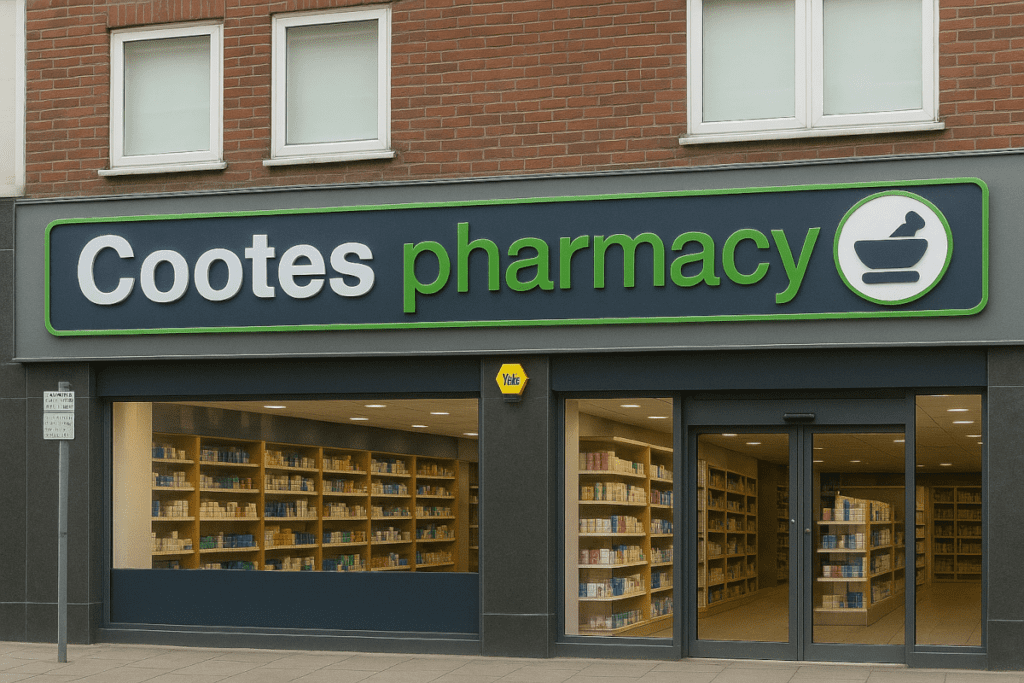
The East Finchley microsuction clinic is based inside Cootes Pharmacy on High Road, opposite Co-op Funeral Care; the clinic sits at ground floor level and is easy to reach for local residents. Nearby free parking is limited, and there is a short restricted period between 2pm and 3pm, so please allow a little extra time for arrival. When you attend you will be assessed by a qualified audiologist who will take a concise clinical history, perform video otoscopy and, where appropriate, proceed with microsuction using precise suction under magnification. This microsuction approach lowers the chance of canal abrasion and avoids the pressure associated with irrigation, which can be unsuitable for some ears. We operate on a private appointment basis only, allowing slots long enough for a full hearing check if required, and for discussion of aftercare and prevention measures to help reduce future impaction. The clinic postcode is N2 9AS, and the team are happy to advise about parking and access by phone or email ahead of your visit.
Private Microsuction Earwax Removal in East Finchley (N2): Book an Appointment and Locate the Clinic

Our East Finchley microsuction service is situated on High Road within Cootes Pharmacy, offering a central, convenient location for people living or commuting to N2. The clinic blends clinical standards with straightforward transport links, it is a short walk from East Finchley tube on the Northern Line and is well served by local buses. On arrival a qualified audiologist will take a brief history, carry out video otoscopy and, where clinically appropriate, perform microsuction using fine suction under magnification. This technique minimises the risk of canal abrasion and avoids the pressure effects of irrigation, which are not suitable for every ear. We only accept private bookings so appointments are long enough to include a hearing assessment if needed, and to explain aftercare and strategies to prevent repeat impaction. For local directions the postcode is N2 9AS, and our team can help with parking and accessibility information by phone or email.
Clinic access, practical directions and arrival information
To find the clinic, enter the High Road postcode into your satnav or transport app and follow signage to the pharmacy entrance; the treatment room is on the ground floor. Please allow a few extra minutes for registration, and bring any hearing aids or relevant medical documents to your appointment. Reception staff will record any access needs such as blue badge parking or mobility assistance, and we have short protocols to support nervous patients, children and older adults. The microsuction room is supplied with a comfortable chair and direct visualisation equipment, and clinicians adhere to modern infection control and clinical governance standards at every visit.
- Wheelchair users and those with mobility aids should call ahead so staff can meet you at the entrance and ensure a clear route into the clinic and treatment room.
- Parking nearby is limited on-street, please allow time for pay by phone bays and be mindful of local restrictions during market days or High Road events.
- Nearest tube and trains, East Finchley station on the Northern Line, offers a five to ten minute walk and step-free access to the High Road exit for many passengers.
- Bring your NHS number if you wish to share it, but private appointments do not require NHS registration; payment is taken at booking or at reception on arrival.
- Local bus services link Finchley, Muswell Hill and Highgate, providing multiple options for those arriving without a car or with limited mobility.
Microsuction Compared with Ear Syringing and Irrigation
Across North West London many GP practices no longer provide ear syringing, partly because of limited funding and partly because syringing carries more inherent risk than microsuction. Possible complications of ear syringing or irrigation include infection, hearing loss, tinnitus, eardrum perforation and further impaction when wax is forced deeper into the canal. Given these risks, it is understandable that many people are moving away from walk-in ear syringing and are seeking microsuction ear wax removal instead. Rising demand has outstripped NHS capacity in some areas, so NHS microsuction waiting times can be two to three months or longer.
You do not need to wait months for microsuction, private clinics can often see you much sooner and at a competitive price. Visit our booking page by clicking the link, and you could have your wax blockage cleared within days: Book online now.
Why Microsuction Is Often Recommended
Microsuction is widely considered safer than traditional syringing because it avoids forceful water pressure in the ear canal, reducing the risk of perforation and the chance of pushing wax deeper. Audiologists frequently prefer microsuction for ears with perforated eardrums or where there is a history of ear surgery.
- Microsuction benefits include direct visual control, minimal discomfort and rapid recovery, often suitable for hearing aid users.
- Syringing risks include infection, increased tinnitus and further impaction of wax.
Selecting a private microsuction appointment can reduce the delay to treatment, restoring hearing and comfort more quickly; clinicians may also provide a brief hearing screen and aftercare guidance during the same visit.
How Microsuction Works: Step-by-Step Guide
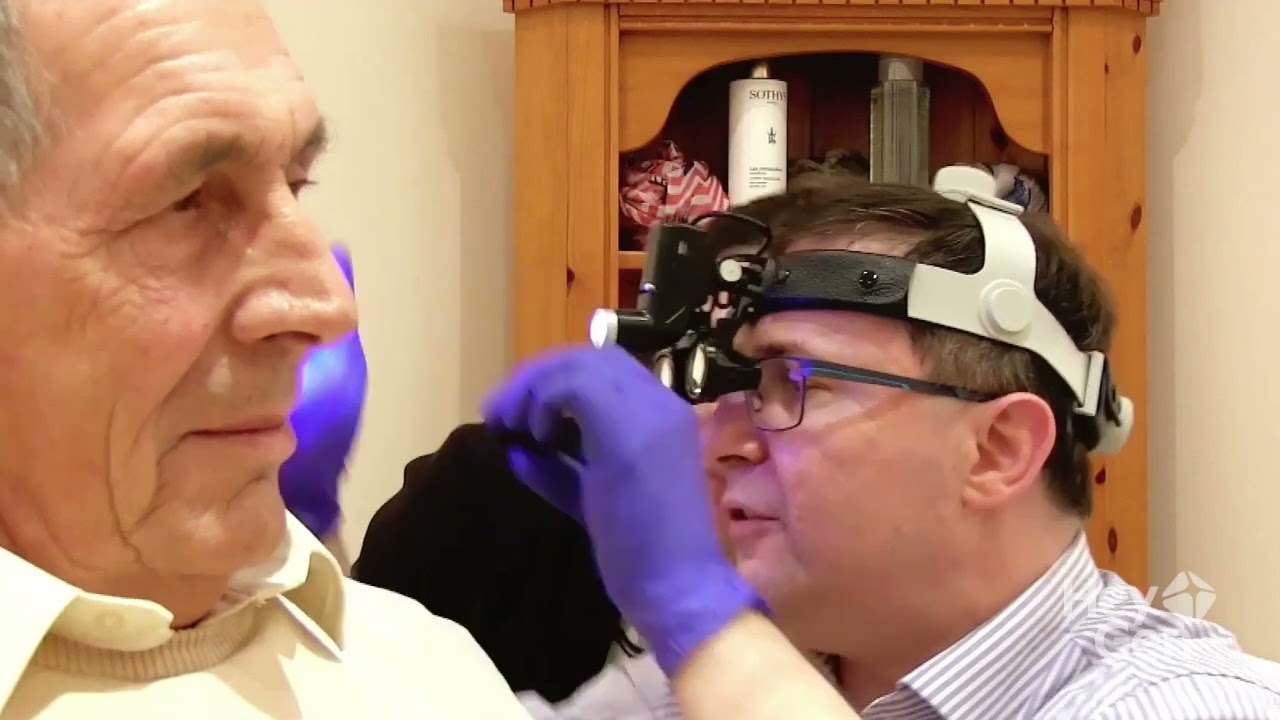
Microsuction is a dry technique that employs a low pressure suction nozzle under constant visualisation to remove wax safely from the ear canal. Practitioners use a head-mounted camera or microscope to illuminate and magnify the canal and tympanic membrane, enabling precise removal of debris without introducing water. Because the procedure is carried out under direct vision, the clinician can respond immediately to signs of delicate canal skin or small perforations and alter technique to maintain comfort and protect hearing. Typical appointments include a brief hearing screen and discussion of symptoms such as reduced volume, a feeling of fullness, itchiness or intermittent tinnitus, and they finish with clear aftercare advice aimed at reducing recurrence.
Typical Clinical Sequence of Care
- If a perforation or active infection is observed, microsuction may be altered or postponed and the patient will be advised about ENT referral pathways for further assessment.
- Suction tips are chosen to fit canal size and the clinician works under magnification so any contact with canal skin is minimised, lowering the risk of abrasions and post-procedure pain.
- Initial assessment covers clinical history, visual inspection with video otoscopy and where suitable a basic hearing check to document baseline function before intervention.
- Where wax is soft or adherent, a short clinician-applied solvent irrigation may be recommended beforehand, otherwise microsuction proceeds to remove compacted material in controlled small passes.
- At the conclusion of the procedure a final inspection records the appearance of the ear canal and eardrum, and written aftercare information including warning signs is provided to support safe recovery.
- Follow up can be arranged for patients with recurrent impaction, hearing aid users or anyone with ongoing symptoms, ensuring continuity of care and practical prevention advice.
Further Information and Resources
You can read additional details about our East Finchley ear wax removal clinic here: Clinic information and directions.
Why Choose a Qualified Audiologist for Ear Wax Removal
Selecting a registered audiologist for ear wax removal means the clinician has specialist training in ear anatomy, hearing assessment and the safe operation of microsuction instruments. Audiologists are regulated healthcare professionals who routinely assess auditory function and ear health, bringing diagnostic expertise to every appointment. This professional background lowers the risk of complications and increases the chance of identifying other ear conditions early, for example otitis externa, tympanic membrane perforation or middle ear disease. When clinicians also provide a brief hearing test, they can differentiate between conductive losses caused by wax and sensorineural issues that may require further investigation.
Clinical Competency and Patient Safety Measures
Auditory specialists observe infection control policies, keep clinical governance records and undertake continuous professional development, all of which support safer outcomes. Beyond technical competence, audiologists advise on hearing aid management, ear hygiene and strategies to prevent recurrent impaction, such as topical cerumenolytics or planned maintenance visits. Patients with diabetes, prior ear surgery or taking specific medications receive tailored risk assessments to determine the safest removal technique and appropriate aftercare.
Skilled ear care blends technical expertise, diagnostic reasoning and patient-focused aftercare to protect both hearing and overall ear health in the long term.
Reserve your microsuction ear wax removal appointment now, and put an end to the discomfort caused by ear wax.
Our East Finchley microsuction clinic also welcomes clients from Muswell Hill, Hampstead Garden Suburb, Finchley, Whetstone, Church End, Golders Green, Highgate, Hendon, Mill Hill, Barnet, Crouch End, Hornsey, Harringay, Southgate, Arnos Grove, Osidge, Wood Green and Tottenham.
Booking Your Appointment and What to Expect on the Day
Appointments are pre-booked to ensure every patient is allocated sufficient time for assessment, microsuction and aftercare. You can book by phone or via the clinic booking page, and reception will confirm the appointment time, payment method and any access needs. On the day please arrive five to ten minutes early to complete registration and for the clinician to check your history and medications. Typical appointments last around 20 to 40 minutes depending on complexity, and the clinician will discuss the procedure, gain consent and, if appropriate, perform a brief hearing assessment before treating the ear.
Booking Process and Practical Steps
- Attend five to ten minutes early to complete a short registration form and to allow staff to check any hearing aids or communication needs so the appointment can proceed without delay.
- Contact the clinic by phone or online booking form to request a microsuction appointment, include preferred dates and any specific access requirements to help the team allocate a suitable slot.
- If you cannot keep the appointment, let the clinic know as early as possible so the slot can be offered to another patient and time can be reallocated efficiently.
- Provide a daytime contact number and your postcode when booking, this helps with appointment reminders and enables staff to advise on local parking or tube disruption on the day.
- Bring a list of current medications and any recent ear history, for example previous perforations, ear surgery or frequent infections that might alter clinical decision making during your appointment.
Payment Methods and Cancellation Policy
The clinic accepts payment at booking or on arrival, and accepts major payment methods; cancellation terms are made clear when you book so you can rearrange without penalty where necessary. Staff will explain refunds, late notices and the process for transferring appointments between family members when appropriate.
Tip for Busy Patients
If you rely on public transport, consider booking early morning or late afternoon appointments to avoid peak travel times and to make arrival more convenient from neighbouring boroughs.
Additional Considerations for Accessibility
If you hold a blue badge, mention this when booking so staff can direct you to the nearest accessible parking and either reserve a meeting point at the entrance or arrange assistance on arrival.
Nearby Clinics and Alternative Locations
Here are some of our neighbouring clinics you might prefer:
- Mill Hill: Private Microsuction Ear Wax Removal In North West London
- Colindale: Private Microsuction Ear Wax Removal In Northwest London
- Hendon: Private Microsuction Ear Wax Removal In North West London
- Barnet: Private Microsuction Ear Wax Removal In Barnet EN5
- Edgware: Private Microsuction Ear Wax Removal In North London
- East Finchley: Private Microsuction Ear Wax Removal In East Finchley N2
Costs, Insurance and How Private Care Compares with NHS Services
Private microsuction appointments are often available much sooner than NHS alternatives, and include specialist care from audiologists together with modern equipment and immediate aftercare advice. Prices vary between clinics, but private appointments typically cover the assessment, the microsuction procedure and a short hearing check, delivering a single visit solution which can be cost effective compared with multiple NHS visits and long waits. Private treatment can be paid for directly or in many cases reclaimed through health insurance that covers outpatient audiology, so it is worth checking your policy before booking.
Value, Transparency and What to Expect
- For frequent wax problems, ask the clinician about a preventative plan which may reduce the number of private visits needed over a year and offer better long term value.
- Clinics will usually provide a written receipt and clinical note which you can submit to insurance providers or keep as part of your personal health record for future reference.
- Private clinic pricing often covers professional time, equipment use and infection control, giving a clear single cost rather than separate charges that can sometimes occur via other pathways.
- If you have private healthcare cover, check whether earwax removal and audiology visits are included and whether preauthorisation is required to avoid unexpected charges at the time of treatment.
- NHS provision remains a valuable option for many, but waiting lists for microsuction on the NHS can be several weeks or months; private clinics provide a timely alternative for symptomatic patients.
Video: What to Expect During an East Finchley Ear Wax Removal Appointment
Parking, Drop-Offs and Local Transport Options
Parking and transport options in East Finchley vary with the time of day. Short stay pay by phone bays are close to the High Road and there is limited free on-street parking nearby, but drivers should check local restrictions and enforcement times carefully. If you use a taxi or private hire vehicle it is simplest to ask for a drop off near the pharmacy entrance and then move the vehicle to a legal bay. The Northern Line at East Finchley provides a reliable transport link, and several bus routes stop within a few minutes walk. Travellers with mobility needs should plan their journey and call the clinic for guidance about the nearest accessible drop off or parking.
- For those travelling by tube, East Finchley station has regular Northern Line services and step-free options from street level to platform on certain exits, which we can help you plan before travel.
- Pay by phone bays reduce the need for cash, but reception can tell you the exact bay numbers most convenient for clinic access and the usual enforcement times on weekdays.
- Taxi drop offs are useful for patients with limited mobility, and the clinic team can meet you at the door on request to facilitate a smooth arrival and entry into the treatment room.
- Short stay parking is available on nearby side streets, however drivers must check bay signage closely, particularly during school pick up and market days when restrictions may alter.
- If you expect to need assistance walking from the station, tell reception when booking so staff can provide a planned meet and assist service to the clinic entrance.
Safe, Comfortable Ear Wax Removal by a Local Audiologist
Your ears and hearing are sensitive, and their care is best entrusted to experienced clinicians. Some providers hand ear wax removal to nonclinical staff, treating it as a routine task. We take the view that ear care should be performed by a trained Audiologist.
At our clinic only qualified Audiologists carry out ear wax removal, ensuring your ears are examined and treated by a specialist with deep knowledge of ear anatomy and auditory function. This approach minimises the risk of harm and delivers a safe, effective procedure tailored to individual needs. Your hearing deserves specialist attention, and we are dedicated to maintaining the highest standards of care.
Expert Audiologist Care and Safety Practices
All ear care is provided by qualified audiologists, clinicians trained in ear anatomy, infection control and diagnostic assessment. Treatment by an audiologist reduces the chance of harm and ensures decisions are grounded in clinical expertise rather than routine practice.
Microsuction is carried out under direct visualisation using specialised devices, a method that emphasises comfort and preservation of auditory function. Practitioners monitor the canal and middle ear throughout the procedure and adapt care to each patient’s needs.
Our clinical approach prioritises safety and comfort, with personalised attention to ear health and hearing outcomes.
Disabled Parking and Blue Badge Guidance
Disabled clients with a blue badge can park on double yellow lines for up to 3 hours, subject to local authority regulations.
Blue Badge, Disabled Parking and Clinic Accessibility
Blue badge holders should check local allowance rules, which typically permit short stays in restricted bays, though specific council regulations apply and may change. The clinic entrance is level and on the ground floor with clear space for a mobility scooter or wheelchair. If you have a blue badge or need disabled parking, please tell reception when booking so staff can note this and advise on the nearest legal parking, or arrange to meet you at the entrance. We can also provide information about nearby accessible toilets and any temporary measures to make your visit easier.
Support for Patients with Mobility Needs
We are committed to accessible care; call ahead and we will ensure the entrance is unobstructed, provide assistance from the street and offer quieter appointment times where possible to reduce waiting and improve comfort.
Appointment Booking and How to Reserve a Slot
Due to high demand, private ear wax removal is by appointment only. You can book an ear microsuction appointment here, or use the booking button below to make a reservation.
How to Book and How to Prepare
Appointments are by prior booking because of demand; private slots usually reduce waits compared with NHS lists. Book online via the clinic page or phone the practice to reserve a suitable time and confirm any access needs.
- Attend five minutes early, bring any hearing aids and a list of current medicines.
- Visit the booking page or telephone the practice to request a microsuction appointment.
- Provide your name, postcode and a contact number, and mention if you have a blue badge or mobility needs.
If you need to cancel or rearrange, please inform us as soon as possible so the appointment can be reallocated; this helps keep waiting times short for everyone needing ear wax removal.
Preparing for Your Microsuction Appointment: Practical Guidance
Good preparation helps the clinician assess your ears efficiently and increases the chance of resolving the problem in one visit. Bring hearing aids, a list of current medications and any information about recent ear problems or operations. Refrain from using cotton buds or ear candles in the days before your appointment, and do not apply ear drops unless the clinic has specifically asked you to. If medical anxiety is a concern, let the clinic know and staff can offer practical support such as a longer appointment or a chaperone. Children and anxious adults often benefit from a calm explanation beforehand and from attending with a familiar carer.
What to Bring and What to Avoid Before Your Appointment
Recommended Items to Bring
- If you have had ear surgery, perforation or chronic ear infections, bring any recent medical letters or audiology reports so the clinician can review background information before treatment.
- Bring any hearing aids or earmoulds you normally use, together with a list of current medicines, as these details can affect the clinical plan and the clinician may advise temporary removal of hearing devices during the procedure.
- If you experience dizziness, recent severe pain or discharge, call the clinic first, because these symptoms may indicate infection or other conditions where microsuction is not suitable without prior medical review.
- If you have a blue badge, parking permit or any mobility aids, bring them and inform reception so staff can make arrival arrangements and reserve an accessible meeting point at the entrance if needed.
- Do not use home irrigation or ear candles prior to attendance, as these practices can change the canal appearance, obscure assessment and increase complication risks.
Short Practical Tip
Wear comfortable clothes and avoid strong perfume or aftershave so the clinician can work without distraction and to reduce sensory stress for anxious patients.
Parking Near the Clinic
There is limited free parking (except between 2pm and 3pm) within a short walk of the clinic, and Pay by Phone parking is available close to the High Road for greater convenience.
Aftercare, Recovery and When to Seek Further Help
Most patients notice immediate improvement in hearing and relief from a blocked sensation after microsuction. The ear canal may feel slightly sensitive for 24 to 48 hours and occasional itching or transient tinnitus is common. Clinicians will give specific aftercare advice, including avoiding getting water into the ear for a short period and guidance on using ear drops if the canal skin appears dry or irritated. If you experience increasing pain, persistent discharge or fever after the procedure, contact the clinic promptly for review as these signs can indicate infection or an adverse event requiring medical attention.
Aftercare Steps and Patient Expectations
- For hearing aid users, wait until the clinician confirms the ear is dry and comfortable before reinserting devices, and bring hearing aids to the appointment so any fitting checks can be completed afterwards.
- Report increasing pain, persistent discharge, significant dizziness or any worsening of symptoms to the clinic urgently, since these signs may need prompt review and possible ENT referral.
- Expect a short period of heightened sensitivity after treatment; avoid vigorous ear rubbing and protect the ear from water during bathing and swimming for the interval recommended by your clinician.
- If your clinician prescribes or recommends ear drops, follow the dosing instructions exactly and complete the course to reduce the risk of ongoing irritation or infection.
- Book a follow up if you have recurrent impaction, as preventive measures such as periodic microsuction or a tailored home care plan can reduce repeat blockages and maintain hearing consistency.
Map, Location and Directions to Ear Wax Removal East Finchley
You can get directions to our Microsuction East Finchley Location here. Enter your starting point and Google Maps will guide you to the clinic.
Hearing First East Finchley
Located within Cootes Pharmacy,
URL: https://www.hearingfirst.co.uk/book-ear-wax-removal-near-me/book-microsuction-ear-wax-removal-east-finchley/
Probably the best ear wax removal clinic in East Finchley – don’t just take our word for it, here are some reviews from our many satisfied clients:
Location, Map and Directions to the Clinic
The clinic is on High Road, inside Cootes Pharmacy opposite Co-op Funeral Care, and is on the ground floor for easy arrival. Use Google Maps and enter the postcode N2 9AS for the most accurate route and public transport options to the microsuction ear wax removal site.
- Public transport, including local buses and East Finchley tube (Northern Line), provides frequent links, making the clinic accessible from nearby neighbourhoods.
- Limited free parking is available nearby except between 2pm and 3pm, and there is Pay by Phone parking close to the High Road.
If driving or using a taxi, allow extra time for drop off and arrival; please be at the clinic five minutes before your appointment for a short hearing screen and registration, and call ahead for any accessibility help.
Common Concerns, Risks and Safety Measures Explained
It is normal for patients to worry about pain, perforation or dizziness during ear wax removal. Microsuction carried out by a trained audiologist generally has a low risk profile because the procedure is performed under magnified vision and with controlled suction. The clinician will pause if you report discomfort, and will stop immediately if there are signs of perforation, bleeding or infection. For ears that are fragile, have prior surgery or chronic disease, the team carries out a careful risk assessment and will liaise with ENT colleagues where onward management is needed. Clear communication during the appointment helps reduce anxiety and supports a safer, more comfortable patient experience.
Safety is our priority, combining magnified visualisation, low pressure suction and clinician judgement to reduce complications and protect the tympanic membrane.
Fascinating Facts and Local Stories About East Finchley
- The Archer Statue
One of East Finchley’s best known landmarks is the Archer statue above the Underground station. Sculpted in 1940, it reflects East Finchley’s historical role as a gateway to the countryside and is a tribute to the medieval hunters associated with the area. - George Michael’s Roots
Pop star George Michael spent part of his childhood in East Finchley; his early experiences there influenced his later music and connection to London life. - The Phoenix Cinema
The Phoenix Cinema is one of the UK’s oldest continuously operating cinemas. Built in 1910, it remains a cherished local institution showing films to this day. - Cherry Tree Wood
Cherry Tree Wood was once part of the ancient Finchley Wood, a large forest covering much of North London; locals still enjoy it as an important green space with a leafy history. - The Finchley Pudding Race
Back in the 1980s East Finchley hosted a Pudding Race where participants balanced a pudding on a tray while racing. The quirky event remains a fond local memory for many residents. - Oldest Tube Station in Barnet
East Finchley station dates from 1867 and originally served steam trains before becoming an established part of the Tube network. - Haunted Railway Tracks
Local tales tell of a ghostly figure on the old sidings at night, thought by some to be the spirit of a railway worker who died during the early rail construction era. - Artists’ Haven
In the twentieth century East Finchley attracted artists and writers seeking affordable homes near London. The area’s leafy streets continue to appeal to creatives today. - The East Finchley Murals
Murals under the East Finchley bridge celebrate local history and community spirit; these colourful artworks are now a recognised part of the area’s identity. - The Secret Tunnels
Beneath East Finchley there are disused wartime tunnels rumoured to have served as air raid shelters. Some say these tunnels extend further than the public realises. - Spike Milligan’s Grave
Comedian Spike Milligan, who lived nearby, is buried in St Thomas à Becket Churchyard in East Finchley; his gravestone famously reads, “I told you I was ill,” making it one of the wittiest epitaphs in the country. - The Elephant in the Garden
A local legend tells of a circus elephant that once escaped and wandered East Finchley gardens; while likely exaggerated, the story is a beloved piece of local folklore. - The First Solar-Powered Tube Station
East Finchley station took part in an early environmental trial in the 1970s, testing solar panels and reflecting the area’s forward-thinking spirit. - Ear Wax Removal in East Finchley
Ear wax removal services are provided by the experts at Hearing First East Finchley on Mondays at The Laboratory Spa in London NW4 near the Fiveways Interchange, which offers easy access from the A1, A41 and M1 and plentiful free onsite parking. Reserve a clinic appointment here. - The Lost Village Well
Before indoor plumbing, East Finchley relied on a village well near today’s High Road; though now gone, it once provided essential water to the hamlet. - Gothic Architecture Hidden Gems
East Finchley conceals several Gothic Revival houses from the Victorian era; wandering its backstreets can feel like stepping into a bygone architectural story. - Secret Poetry Society
In the 1960s a covert poetry club met in a small East Finchley café, drawing experimental writers who performed under pseudonyms. - World War II Bomb Shelters
During WWII East Finchley hosted several public air raid shelters; many remain bricked up beneath parks and car parks, silent reminders of wartime resilience. - The East Finchley Clock Tower
A small clock tower near the High Road has long been used as a meeting point and has observed decades of change in the busy local community.
Microsuction Compared with Syringing and Irrigation Techniques
Many GP surgeries have limited or withdrawn ear syringing and irrigation services because these methods rely on pressurised water, which can raise the risk of perforation, infection or pushing wax further into the canal. Microsuction employs controlled aspiration instead of forceful fluid, so it is generally recommended for people with prior ear surgery, suspected perforation or those who use hearing aids. Clinical experience and specialist guidance support microsuction as an effective, safer option for removing obstructive earwax, particularly when direct visual control is important. Lengthy NHS waiting times for microsuction lead many patients to choose private clinics for faster treatment and a full ear health assessment.
Clinical Evidence and Practical Outcomes
- Microsuction allows the removal of wax in small fragments under magnification, reducing trauma to canal skin and avoiding the thermal or pressure effects associated with warm fluid irrigation.
- Choosing private microsuction can shorten time to treatment, restore hearing promptly and provide immediate aftercare advice to support recovery and reduce recurrence.
- For ears with known perforations or grommet tubes, microsuction is preferred since it avoids introducing water into the middle ear and lowers infection risk or further membrane damage.
- Syringing forces fluid into the ear canal and can push wax deeper, sometimes producing an impacted residue that needs specialist removal and may cause temporary hearing loss or increased tinnitus.
- Patients who have had previous ear surgery are often better managed with microsuction, as clinicians can adapt technique in real time if scar tissue or canal narrowing is present.
Disabled Access and Level Entry
The clinic is on the ground floor with level access for ease of entry.
Nearby Clinics, Referral Options and Local Coverage
Our East Finchley clinic is part of a wider audiology network across North London, delivering microsuction and ear care to a broad catchment. If you need specialist ENT referral, paediatric ear care or have a complex reconstructive history, the audiologist will guide you towards appropriate NHS or private ENT pathways. The clinic welcomes patients from neighbouring areas such as Muswell Hill, Finchley, Highgate and Crouch End, and staff coordinate care when a shared management plan is needed. Network clinics maintain consistent clinical standards, share equipment protocols and offer the same aftercare advice to ensure continuity if patients move between sites.
Areas Served and Referral Guidance
Neighbouring Locations and Travel Notes
- Finchley and Whetstone patients commonly drive and appreciate the level access and ground floor treatment room which simplifies arrival for those with mobility aids.
- Muswell Hill residents often select our East Finchley clinic because of direct bus routes and predictable parking around the High Road, making it straightforward to complete a single visit and return home quickly.
- Crouch End and Hornsey patients may choose either local or neighbouring network clinics depending on appointment availability and the need for same day hearing checks alongside wax removal.
- For anyone needing ENT referral after assessment, we provide a written clinical summary to support fast review and onward imaging or audiology testing when indicated.
- Residents of Highgate and Hampstead Garden Suburb find the clinic accessible by a short drive or by cross-town bus, and the team can advise on the least congested travel times for arterial routes.
Practical Referral Tip
If you think you will need ENT involvement, bring any previous ENT letters or audiology reports to your appointment so the clinician can prepare a concise referral summary and suggest the most suitable specialist.
Further Coordination and Communication
The clinic team can fax or email urgent referrals on a patient’s behalf when clinically justified, keeping the patient informed at each stage.