Guide to Microsuction Earwax Removal Aftercare at Private Oxford OX2 Clinic
Listing Updated - 3 May 2026 at 02:30

Our Oxford microsuction service is based at Raleigh Park Clinic, an easy drive from the Premier Inn Oxford Botley and the A34 Southern By-Pass (northbound). The ground-floor clinic offers generous free parking including marked disabled bays and step-free access, making it simple to reach for most visitors.
Microsuction Aftercare at Our Oxford OX2 Clinic: A Practical Guide

Following your microsuction at Hearing First Oxford, sensible aftercare preserves the ear canal and helps retain the clearer hearing you may notice straightaway. This guide outlines immediate precautions, everyday care and the signs that require a professional review. The clinician will have worked under direct vision using sterile instruments and suction to extract wax safely while protecting the eardrum. Most people experience instant improvement, though mild irritation, a sense of fullness or brief tinnitus may persist for 24 to 48 hours; a few feel light-headed for a short time. Good aftercare lowers infection risk and often extends the interval between professional cleans. Below we explain how to keep water away from the treated ear, safe pain relief options, tips for hearing aid users, and sensible routines to reduce re-accumulation of wax. If the clinician asked you to use softening drops before your appointment, follow their instructions precisely and stop drops after treatment unless advised otherwise during the aftercare discussion.

Expected checks and immediate advice after microsuction
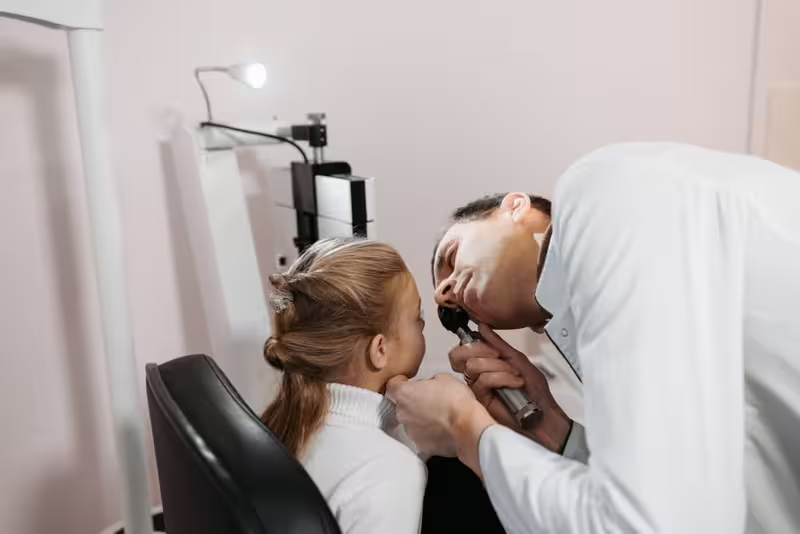
After the procedure expect a brief otoscopic inspection and verbal aftercare tailored to your ears. The clinician may repeat a quick hearing check and will confirm that the ear canal appears clear. Staff will let you know when usual activities can be resumed, how to avoid water ingress, and which symptoms (for example increasing pain, notable bleeding or ongoing hearing loss) require prompt contact with the clinic. If you use hearing aids bring them to your visit so the clinician can advise on cleaning and refitting given the newly cleared canal, and keep a note of any medicines you are taking to assist safe aftercare recommendations.
Book your microsuction appointment in Oxford, and leave ear wax discomfort behind.

Our Oxford microsuction clinic serves patients from Jericho, Summertown, Wolvercote, Marston, Godstow, Park Town, Wytham, Yarnton, Worton, Elsfield, Beckley, Islip, Hampton Poyle, Kidlington, Eynsham, Stanton Harcourt, Hardwick, Northmoor, Kingston Bagpuize, Gozzard’s Ford, Abingdon, Radley, Littlemore, Cowley, Headington, Thame, Wootton, Kirtlington, Freeland, Cassington, Witney, Ducklington, Aston, Woodstock, Weston-on-the-Green, Charlton-on-Otmore, Horton-cum-Studley, Forest Hill, Wheatley and Sandford-on-Thames.
First 24 Hours After Microsuction: Immediate Care
Key actions to take on day one
In the 24 hours following microsuction rest as needed and avoid activities that create sudden pressure shifts, since these can discomfort the ear or eardrum. Avoid air travel, rapid altitude changes and heavy straining; normal walking and desk activities are usually fine. If you develop sharp pain or a sudden sensory change, contact the clinic promptly. Although sterile technique reduces infection risk, remain alert for new symptoms and follow only the aftercare steps recommended by the clinician. Do not insert cotton buds or pointed objects into the canal.
- If you experience mild discomfort, paracetamol or ibuprofen taken according to NHS dosing advice is acceptable unless your medical history rules them out.
- Keep the ear dry: use a soft cotton ball lightly greased with petroleum jelly under a shower cap when washing hair, and avoid direct water sprays for 24 hours after microsuction.
- Avoid noisy places if your hearing feels sensitive, as sudden loud sounds can be uncomfortable after delicate ear procedures.
- Do not use cotton buds or sharp implements which disturb the ear's natural cleaning and may reintroduce bacteria or push wax deeper into the canal.
- Record any dizziness or worsening tinnitus and note the time symptoms began; this helps clinicians decide if further assessment or referral is needed.
Why Choose Microsuction Rather Than Ear Syringing
Many GP surgeries in North West London no longer provide ear syringing, largely due to funding and safety concerns, and microsuction has become the preferred option for many patients. Syringing can cause complications including infection, hearing loss, tinnitus, eardrum perforation, or pushing wax deeper into the ear. It is understandable that people are moving away from walk-in syringing and opting for microsuction instead. Rising demand means NHS provision of microsuction in some areas is limited, and waiting times can extend to two or three months.
You do not have to wait months for safe microsuction. Consider a private appointment, which is often quicker and more convenient than expected. Simply visit our booking page to secure a slot and you may have your wax blockage cleared this week.
Safety, Precision and Waiting Times Compared
Microsuction is regarded as a safer, more controlled technique than traditional syringing because the clinician works under magnification and direct vision. This reduces the chance of pushing wax further into the canal and lowers the risk of complications such as perforation, infection, tinnitus or temporary hearing loss. Many patients find microsuction more comfortable and notice hearing clarity return sooner.
NHS ear syringing has reduced in some regions, and micro suction wait times can be lengthy. Choosing private care often shortens the wait, allowing assessment and treatment within days rather than months. Clinicians will still evaluate risk factors like prior ear surgery or active infection before deciding on the safest approach for you.
- Final inspection and a short hearing check, followed by personalised aftercare and prevention advice.
- Procedure performed under microscopic vision, gently removing debris with suction while protecting the eardrum.
- Initial assessment and otoscopy to confirm the presence of wax and suitability for microsuction.
- Follow-up recommendations if repeat cleaning or specialist referral is needed.
Managing Post-Procedure Discomfort and Tinnitus
Understanding common sensations after treatment
A mild sore sensation, slight pressure or temporary ringing in the ear are common after microsuction, since manipulating the ear canal can briefly change how sound is conducted and may irritate delicate skin. For most adults these effects subside within 24 to 72 hours. If pain increases or remains beyond this period, contact the clinic for a review. Longstanding tinnitus that existed before treatment is unlikely caused by microsuction, though short-lived changes can occur. A focused clinical assessment (otoscopy and possibly a hearing test) will identify whether further care is necessary.
When you should seek urgent attention
Please seek urgent review if you develop severe pain, continuous bleeding, fever or a sudden major drop in hearing in the treated ear. These could indicate infection, an eardrum perforation or other complications that need rapid assessment and possibly antibiotics or specialist referral. Hearing First Oxford clinicians will assess and advise, and may refer to ENT or your GP for additional treatment when required.
Guidance on analgesia
Use paracetamol or ibuprofen as recommended by NHS guidance unless your clinician advises otherwise, and avoid aspirin in children and teenagers because of rare complications associated with viral illnesses.
Keeping a symptom record for triage
Log the time symptoms began, rate pain on a one to ten scale, note any discharge, and record hearing changes; this information helps clinic staff prioritise and tailor any necessary follow-up.
Parking
Free on-site parking is plentiful for patients.
Swimming and Showering After Microsuction
How to shield the treated ear from moisture
Water in the ear canal after microsuction can increase irritation and raise the risk of infection, so limit water exposure for at least 48 hours. Showering is usually acceptable if you avoid direct spray into the ear and use a simple barrier such as a petroleum jelly-coated cotton ball under a shower cap for extra protection. Pools, open water and hot tubs hold higher bacterial loads and are best avoided for about seven to fourteen days, or until the clinician confirms the ear has healed.
- If water does get into the ear and you later notice pain or discharge, contact the clinic promptly so infection such as otitis externa can be excluded.
- Dry the outer ear with a soft towel after showering, avoid probing the canal and do not use vigorous cotton bud cleaning that can abrade the skin and delay recovery.
- For daily showers tilt your head away from the water source and use a loose cotton plug beneath a waterproof cap to reduce direct spray into the canal.
- Avoid steam rooms and saunas during the immediate recovery phase, since steam can encourage bacterial growth in a freshly cleaned canal.
- If you must swim for work, discuss early return with the clinician and consider custom or over-the-counter swim plugs once the clinician confirms it is safe.
Further Reading
You can read additional details about our Oxford ear wax removal clinic here.
Recognising Infection and Other Complications
Symptoms to monitor in the days after treatment
While microsuction is low risk, infections and complications can occur and early detection allows timely treatment. Watch for increasing pain, yellow or green discharge, a high temperature, sudden worsening of hearing, or ongoing vertigo. If any of these arise contact Hearing First Oxford or your GP immediately. The clinic will examine the ear and may prescribe topical or oral antibiotics, or arrange ENT referral for further assessment. Do not attempt home remedies such as ear candles or unprescribed drops, as these can make matters worse.
- Sustained dizziness or spinning that affects balance is uncommon and requires urgent assessment to rule out inner ear or vestibular involvement.
- Persistent or worsening pain not eased by simple analgesia, particularly with fever, suggests possible infection and needs prompt clinical review and potential antibiotics.
- A sudden, marked drop in hearing after the procedure is unexpected and should prompt immediate contact so clinicians can check for perforation or other causes.
- Continuous or increasing smelly or coloured discharge from the ear is a key sign to seek urgent assessment and treatment to prevent deeper infection.
- The onset of facial weakness or numbness after the procedure is rare but serious, and requires emergency medical review.
Video: What to Expect at Your Oxford Ear Wax Appointment
Follow-up Care: When to Return
Routine checks and repeat cleaning
Some patients benefit from a planned follow-up to finish cleaning or to monitor sensitive ear canals and eardrum recovery. The clinician will advise whether a single session was sufficient or if a short follow-up is wise, usually within two to six weeks for stubborn wax or where skin conditions increase re-accumulation risk. Follow-up appointments confirm that hearing improvement is stable. For recurrent wax issues the clinic will outline maintenance options, recommended softening routines and, if needed, referral for further audiological assessment.
How to arrange further appointments
If symptoms persist beyond the timescale given at discharge, or if new concerns arise such as lasting ear fullness, contact the clinic. Reception will triage and arrange a swift clinical review if required. If complications are suspected the practitioner will document findings and may recommend ENT referral, audiometry or a short course of topical medication.
Keeping simple records
Note appointment dates, any treatments advised and whether you used pre-appointment softening drops; this record helps the clinician plan future care and maintain continuity.
Oxford North Location, Map and Directions
You can get directions to our Microsuction Oxford Botley location, just enter your start point and follow Google Maps to the clinic.
Hearing First Oxford: Clinic Details
Located within Raleigh Park Clinic,
URL: https://www.hearingfirst.co.uk/book-ear-wax-removal-near-me/book-microsuction-ear-wax-removal-oxford/
Arguably one of the top ear wax removal clinics in Oxford, but don’t rely on our word alone, read reviews from our satisfied clients.
Map, Directions and Local Access
Our Botley clinic sits within Raleigh Park Clinic and is straightforward to reach from the A34 and nearby bus routes. Enter OX2 9AR into your satnav, allow a little extra time for drop-off at the ground-floor entrance, and follow clinic signage to reception for microsuction and routine ear care visits.
Guests staying at the Premier Inn Oxford Botley will find it an easy level walk of under ten minutes, with step-free access and disabled parking close by. If travelling by bus, check current timetables for services stopping on Botley Road and allow time to register on arrival.
- On foot: from Botley main road it is a level walk; allow time for crossing points.
- Car: free on-site parking is plentiful, with designated disabled bays close to the entrance.
- Satnav: use OX2 9AR on most devices and then follow the signs to Raleigh Park Clinic.
- Public transport: check local bus routes and timetables for Botley before you travel.
Guidance for Hearing Aid Users
Looking after your devices after ear cleaning
Many hearing aid wearers notice immediate improvement after wax removal, with better clarity and less feedback. After microsuction keep earmoulds and in-ear parts dry and free of debris. The clinic will show safe cleaning techniques and may advise delaying reinsertion of in-ear devices briefly. Inspect domes or foam tips for wax build-up and replace disposable tips if needed. Proper hearing aid maintenance is key, because a blocked device can mimic ongoing ear symptoms and prompt unnecessary concern.
- Bring your hearing aids to follow-up appointments so the clinician can check fit and acoustic settings after the ear has been cleared.
- Remove hearing aids when showering for at least 48 hours post-procedure and dry the outer ear gently before reinserting devices to avoid trapping moisture.
- If your device malfunctions after treatment, check the sound outlet for wax fragments and book a clinic service or manufacturer repair if necessary.
- Regularly clean earmoulds with a soft cloth and the manufacturer recommended brush, and ask the clinic for professional cleaning if wax persists on the device.
- Consider routine service appointments every few months if you are prone to wax buildup, to reduce emergency visits and keep devices performing well.
Booking an Appointment
Because demand is high, private ear wax removal runs by appointment only. You can book a microsuction appointment online, or follow the button below to reserve a convenient time.
How to Arrange Your Visit
Appointments for private microsuction are by booking only, due to demand. Reserve a slot online or phone reception, where staff will explain availability and the different appointment types. Early booking reduces waiting and ensures you are seen by a trained clinician.
Standard appointments include a brief pre-assessment, otoscopy to inspect the ear canal and eardrum, microsuction if appropriate, and concise aftercare guidance. Hearing checks are available where indicated, and clinicians will advise if irrigation or other options are better for you.
- Arrive 10 minutes early to complete registration and consent paperwork.
- Bring a list of current medications and any hearing devices you use to help the clinician plan care.
- If you are prone to ear discomfort, mention recent infections or perforations when booking.
- Only use softening drops before appointment if advised by the clinic.
Children: Microsuction Aftercare and Support
Tailored care for younger patients
When children undergo microsuction aftercare emphasises comfort, infection prevention and reassurance for parents. Children often feel immediate relief, but may be more sensitive to post-procedure noise or sensations. Parents should watch for persistent crying, feeding refusal, fever or balance changes, and use simple measures to keep water and dirt away from the ear. Clinicians will adapt hearing checks to the child’s age and may discuss immunisations or developmental concerns if hearing does not improve. Clear, straightforward instructions help reduce anxiety and support good outcomes.
Home care advice for parents
Use a dry cotton ball as a gentle barrier during baths, avoid pool submersion for several days and keep small objects out of reach. If the child was previously prescribed ear drops, check with the clinician before resuming them. If pain, discharge or a behaviour change continues, return for prompt review. The clinic provides paediatric follow-ups and written instructions to support at-home care.
Helping anxious children cope
Explain the procedure simply, praise the child for cooperative behaviour and offer a calm activity afterwards to create a positive experience. This prepares them for future ear care and supports ongoing ear health.
When to involve the GP or paediatrician
If there is a history of ear surgery, frequent infections or developmental hearing concerns, the clinician will recommend involving your GP or paediatric audiology services to coordinate further care and safeguard hearing development.
Disabled Parking
Designated disabled bays are available opposite the entrance for patient convenience.
Preventing Earwax Re-impaction at Home
Simple weekly routines to help
Stopping wax re-impaction relies on gentle hygiene rather than aggressive cleaning. The ear canal is largely self-cleaning, and inserting objects encourages build-up and can cause injury. For those prone to frequent blockage a light maintenance routine helps: wipe the outer ear with a warm cloth, avoid cotton buds in the canal, consider occasional clinician-recommended softening drops before scheduled maintenance, and book regular inspections if necessary. Reducing long periods of earphone use and protecting ears in dusty workplaces can also slow the rate of accumulation.
- Discuss occasional use of clinician-recommended softening drops rather than self-prescribing, since incorrect use can irritate the canal or conceal other problems.
- Clean only the outer ear with a soft towel after bathing, and do not insert cotton buds where cerumen migration helps protect the canal.
- Limit in-ear headphone use; choose over-ear styles or reduce daily time to lower the chance of pushing wax inward.
- If your job exposes you to dust, wear suitable ear protection and clean the outer ear after work to avoid debris entering the canal.
- For frequent blockage arrange maintenance appointments at intervals agreed with your clinician to prevent emergencies and keep hearing clear.
Curiosities and Local Trivia about Oxford
- The Ridgeway Sheep Incident
In 2007 an escaped flock caused mayhem on The Ridgeway, blocking traffic and baffling joggers during the morning commute. - Oxford Village
This charming enclave retains a rural character with historic cottages, a duck pond and pubs dating back over two centuries. - Phantom Phone Box
A disused phone box outside the former post office generated local gossip for years after reports of it ringing at odd hours with no caller on the line. - Oxford School Alumni
Notable former pupils include writer Sir Denis Forman and Olympic rower Jack Beresford. - The Clock That Ran Backwards
In 1993 a shopkeeper reported their antique clock running in reverse after a lightning strike, creating a curious local story for months. - Oxford Park
This family-friendly green space features tennis courts, a bowling green and hosts community events through the year. - The Time Capsule Tree
A tree near Copthall Playing Fields is rumoured to contain a time capsule buried by schoolchildren in 1985, though its exact location remains a mystery. - The Umbrella Tree
A strangely shaped tree near Burtonhole Lane has formed a near-perfect dome and become a popular spot for walkers and photographers. - Historic Parish Roots
Oxford began life within the ancient parish of Hendon and gradually developed its own identity across the 17th and 18th centuries. - Oxford East – A One-Track Wonder
This Northern Line station is unique for having a single track, originally built to serve nearby barracks and munitions facilities. - Arrandene Open Space
One of the few remaining pockets of traditional countryside nearby, Arrandene supports woodpeckers, kestrels and rare wildflowers. - RAF Oxford
A Royal Air Force station operated here during the Second World War, contributing to air defence and logistics efforts. - The Sandwich Van of Prophecy
A long-vanished sandwich van on Oxford Broadway earned a quirky reputation for accurate football score predictions and was nicknamed "The Oracle". - Ear Wax Removal in Oxford
Microsuction ear wax removal is available via the specialists at Hearing First Oxford, with sessions on Mondays at The Laboratory Spa in London NW4 near the Fiveways Interchange, convenient for the A1, A41 and M1, and offering free onsite parking. Book an appointment here. - The Lost Tunnel Theory
Urban explorers speculate that an old tunnel runs beneath Oxford School, possibly once linking it to the local church or a manor house. - The Singing Post Box
In 2016 a prankster fitted a motion sensor into a post box on Oxford Broadway so it played Christmas carols when opened, delighting passers-by. - Animal Hospital Origins
Parts of the original RSPCA animal hospital TV series were filmed in Oxford, raising the area's profile in the 1990s. - The Treehouse Society
In the early 2000s a group of children built an elaborate treehouse village behind Sanders Lane, which gained local legend status before being removed by the council. - The Phantom Tunnel
Local lore suggests an old tunnel under Oxford School that some believe once connected the school to nearby historic buildings.
What to Bring and Practical Points for Your Appointment
Documents and items that help the clinician
Bringing the right information makes your appointment run smoothly and supports safe care. Bring a summary of your medical history, a list of current medicines, details of previous ear surgery and any recent ear infections. If you wear hearing aids bring them and any accessories such as domes or cleaning tools. Tell the clinician about any medication allergies so unsuitable topical agents are avoided. Arrive a few minutes early to complete paperwork and to provide a clear history for the practitioner who will perform otoscopy and, if required, a hearing test. Reception will advise on parking, accessibility and expected appointment length when you book.
Practical checklist to bring
- Your hearing aids, earmoulds or spare batteries to help the clinician check device fit and function with the cleared ear canal.
- Photo ID and a list of current medications to assist safe prescribing and to flag any contraindications for analgesia or topical treatments.
- Notes of prior ear issues such as perforations or surgery so care can be tailored to your anatomy and history.
- If asked to use softening drops before arrival, bring the bottle and record the dates and times you used them to help the clinician assess effectiveness.
- A contact phone number and an emergency contact so the clinic can reach you about follow-up or alternative appointments if needed.
Arriving by car or public transport
Allow extra time for parking or public transport delays in Oxford, especially at peak times, and follow clinic guidance on drop-off and step-free access so your visit is comfortable and timely.
Disabled Access
The clinic sits on the ground floor with level access for visitors.
Clinic Facilities at Raleigh Park: Parking and Access
What to expect when you arrive at our OX2 site
Hearing First Oxford at Raleigh Park is located on the ground floor, with level access, disabled parking bays and a welcoming reception. Treatment rooms are set up for dedicated microsuction with microscopes and single-use suction tips to uphold infection control. Waiting areas are comfortable and staff are trained to support mobility needs and communicate with people who have hearing loss. There is free on-site parking, and local buses serve the area for those travelling without a car. When you book, staff will discuss any access requirements to ensure a smooth visit.
- Staff are experienced in communicating with people who have hearing loss, offering written information and a slower speaking pace where needed to make aftercare clear.
- Level access to reception and treatment rooms means step-free entry for wheelchairs, mobility scooters and walking aids.
- Clinic rooms have modern suction units and stereo microscopes, allowing clinicians to perform microsuction with clear visibility and patient comfort.
- Free on-site parking includes marked disabled bays close to the ground-floor entrance to reduce walking distance for those with mobility limitations.
- If you need assistance from arrival to departure, tell reception when booking so staff can arrange additional support and an appropriate appointment time.