Private Microsuction Earwax Removal near Mill Hill (NW4) — Find Clinic & Book Appointment in North West London
This Content Last Updated: 27 February 2026 at 00:59
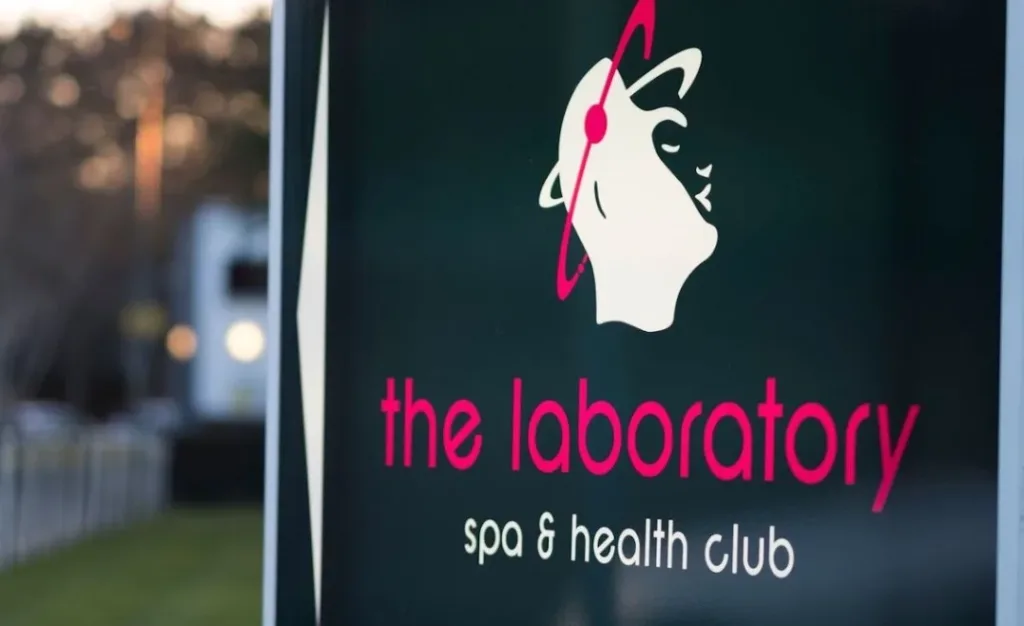
Our Mill Hill clinic for earwax removal is housed in The Laboratory Spa, close to the Fiveways Interchange with straightforward links from the M1, A1 and A41. The site provides plentiful free parking including accessible bays, and level access to the ground-floor treatment rooms, making it convenient for those with mobility needs or hearing aids.
Private Microsuction Earwax Removal near Mill Hill (NW4): Clinic Details and Booking in North West London

Overview, what we provide and how we help
At Hearing First Mill Hill we offer private microsuction earwax removal from a dedicated clinic on Hall Lane, NW4, set within a wellbeing hub. Our clinicians, trained in microscope-assisted suction, remove stubborn cerumen precisely while avoiding the pressure risks of irrigation. We accept patients from Mill Hill, Edgware, Colindale and wider North West London, aiming to reduce wait times compared with NHS lists. The venue has free parking, level access and a calm environment suitable for visitors with mobility requirements or hearing devices. For recurrent impaction, blocked-driven tinnitus or difficulty using hearing aids, microsuction provides evidence-based, rapid relief together with a thorough otoscopic assessment.

Who delivers your treatment
Treatments are carried out by clinicians qualified in ear microsuction and related aural techniques, holding recognised audiology or ENT-related credentials and up-to-date infection control training. Each appointment includes a short clinical history, otoscopic inspection under magnification and, only when safe and appropriate for your anatomy and medical background, the microsuction procedure. We will talk through risks, likely benefits and aftercare, and record findings to support continuity of care.
Pre-appointment tip
On the day of your visit avoid inserting cotton buds or using ear drops unless previously advised, bring a list of current medications and any hearing aids, and allow an extra ten minutes for parking and reception so the clinician can start on time.
Accessibility information
The clinic is on one level with step-free entry and short ramps nearby; if you need assistance on arrival please state this when booking so staff can arrange help and reserve an accessible parking space if required.
Map, Location and Directions for Ear Wax Removal in Mill Hill North London
You can get directions to our Microsuction Mill Hill location, simply enter your start point in Google Maps and follow the route guidance to the clinic.
Hearing First Mill Hill, Clinic Address
Located within Laboratory Spa & Health Club - Mill Hill,
URL: https://www.hearingfirst.co.uk/book-ear-wax-removal-near-me/book-microsuction-ear-wax-removal-edgware/
Many patients consider us among Mill Hill’s top ear wax removal clinics, but you do not need to take our word for it, see our numerous five-star reviews for independent feedback.
How to find us: location, map and directions
The clinic is easily reachable by car or public transport, positioned within a health and wellbeing hub on Hall Lane. Free on-site parking and level access make the venue suitable for those with reduced mobility, and the clinic provides specialist microsuction to treat persistent earwax.
- Access tips: allow a few extra minutes for peak travel times and follow local signs to the health centre.
- By car: use the M1, A1 or A41 corridors then follow local signs to Mill Hill and Hall Lane.
- Parking: free bays are available on the premises, with short stay and disabled spaces close to the entrance.
- Planning: check live travel information before you travel to avoid delays.
- By bus: multiple local routes stop within a short walk of the building.
- By rail: nearest Thameslink and Overground services run to nearby stations, with short taxi or bus links.
Directions from major routes to our Mill Hill clinic
Getting to the clinic from main routes
Hearing First Mill Hill is on Hall Lane in NW4, located within the Laboratory Spa and Health Club. From the M1 or A1 take the appropriate exits for Mill Hill and follow signs to Hall Lane and The Broadway, or enter postcode NW4 4TJ into your satellite navigation for turn-by-turn directions. Mill Hill Broadway and Mill Hill East stations provide Thameslink and Underground services respectively, with short taxi or bus links to the clinic. Allow extra time during rush hours and check live travel updates for roadworks or rail delays.
Local buses stop within a short walk and nearby taxi ranks offer direct drop-off options. Travelling from Edgware or Colindale, follow arterial routes toward the Fiveways interchange where signage will direct you to Laboratory Spa Mill Hill. If helpful, print or screenshot directions before travelling and call the clinic for step-by-step guidance from a nearby landmark.
Disabled Parking Facilities
There are several disabled parking bays opposite the entrance
Parking, Disabled Parking and Access Information
Parking arrangements and entrance proximity
The clinic benefits from free on-site parking with clearly marked bays close to the health centre entrance, including short-stay spaces. There is room for a reasonable number of vehicles and the layout allows easy unloading of passengers and equipment. During busy periods we suggest allowing an extra five to ten minutes to locate a space. The forecourt is level with defined pedestrian routes to the main door; if you need to be dropped right at the entrance, speak to reception on arrival and staff will advise the best spot.
Disabled parking and access details
Marked disabled bays sit opposite the clinic entrance, with level access into the building. The route from these spaces to the entrance is step-free and wide enough for wheelchairs and mobility scooters. If you require a ramp or extra assistance, tell us when booking and we will ensure a member of staff is available to help from your vehicle to the treatment room.
Arrival tips
When booking, please mention any mobility requirements so we can reserve a space if available, and bring any blue badge or identification for parking to help staff coordinate your arrival and ensure a smooth entry.
Public transport connections, brief note
The nearby Thameslink and Underground stations connect to local bus routes; buses stop within a five to ten minute walk, which is helpful when parking is limited or for visitors preferring public transport to driving into Mill Hill.
Interesting Mill Hill Facts
- The Singing Post Box
In 2016 a festive prank installed a motion sensor in a post box on Mill Hill Broadway that played Christmas carols when opened. - The Sandwich Van of Prophecy
A long‑gone sandwich van at Mill Hill Broadway earned the nickname “The Oracle” after its owner’s football score predictions proved oddly accurate. - RAF Mill Hill
During WWII a Royal Air Force station operated here, contributing to London’s air defence and logistics efforts. - Arrandene Open Space
One of the remaining parcels of traditional countryside in London, Arrandene supports woodpeckers, kestrels and uncommon wildflowers. - Mill Hill School Alumni
Notable former pupils include writer Sir Denis Forman and Olympic rower Jack Beresford. - Thameslink Convenience
Mill Hill Broadway station is on the Thameslink route, providing direct services to St Pancras, Farringdon and Gatwick Airport. - Mill Hill Village
This small enclave retains a rural feel with historic cottages, a duck pond and pubs dating back more than two centuries. - The Lost Tunnel Theory
Urban explorers claim an old tunnel runs beneath Mill Hill School, possibly once linking it to the church or a nearby manor. - Ear Wax Removal in Mill Hill
Ear wax removal is provided by the team at Hearing First Mill Hill on Mondays at The Laboratory Spa, London NW4 by the Fiveways Interchange, with easy access from the A1, A41 and M1 and ample free onsite parking. Book an appointment online. - The Time Capsule Tree
A tree near Copthall Playing Fields is said to hide a time capsule buried by pupils in 1985, though its exact spot is a mystery. - The Ridgeway Sheep Incident
In 2007 an escaped flock caused chaos on The Ridgeway during rush hour, blocking traffic and baffling joggers. - The Clock That Ran Backwards
In 1993 a shopkeeper claimed their antique wall clock began running in reverse after a lightning strike, becoming a local curiosity for weeks. - The Phantom Phone Box
A disused phone box outside the old post office has long been the subject of rumours, reputedly ringing at odd hours with no caller on the line. - The Umbrella Tree
A tree near Burtonhole Lane has grown into a perfect dome shape, becoming a favourite for walkers and photographers. - Animal Hospital Origins
Mill Hill featured in parts of the original RSPCA animal hospital TV series in the 1990s, bringing the area wider attention. - Mill Hill East – A One-Track Wonder
This Northern Line station is notable for having a single track, originally built to serve nearby barracks and munitions sites. - The Treehouse Society
In the early 2000s local children created an elaborate treehouse village behind Sanders Lane, which became a local legend until the council dismantled it. - Scientific Heritage
The National Institute for Medical Research, once sited in Mill Hill, contributed to advances in flu vaccines and immune system research. - The Lost Sandwich Van
A nostalgic tale recalls a popular sandwich van that locals swore foretold football scores, contributing to neighbourhood lore. - Mill Hill Park
This family-friendly park offers tennis courts, a bowling green and space for community events throughout the year.
Booking an Appointment, and what to expect
How to book and what happens on the day
- Arrive a few minutes early to register; the clinician will confirm your details, take a brief history, examine the ear under magnification and only then proceed with microsuction if deemed safe and suitable.
- Choose an available appointment online or call reception to find a convenient time, advising of any mobility needs, hearing aids or anticoagulant medication so the clinician can assess suitability before your visit.
- Complete any pre-appointment forms sent by email and bring a list of medications, previous ear surgery details and any relevant letters to support safe, informed care.
- Payment is taken at the time of treatment unless other arrangements are agreed; receipts are issued for private insurance claims and personal records.
- If the clinician finds an issue beyond routine wax, you will receive clear advice, a written note of findings and a referral recommendation to ENT or audiology services if required.
Parking
There is ample free on-site parking available.
What to expect during microsuction
Step-by-step outline of the microsuction appointment
Microsuction is carried out under direct microscopic vision using a fine suction probe to remove wax and debris while the clinician sees the canal and avoids the eardrum. The treatment is usually swift, often completed within 10 to 30 minutes depending on the level of impaction and whether both ears require work. Patients sit comfortably and topical drops are seldom needed unless the wax is especially hard, in which case softening advice may be given beforehand. The clinician will describe each stage and check your comfort throughout.
Immediate effects and sensations
Most patients report minimal discomfort, sensations of movement or mild pressure as wax is removed, and quick improvement in hearing and reduced fullness once the canal is clear. Some notice temporary changes in ear resonance or slight irritation that usually settles within a short time. If you have tinnitus we will explain possible short-term changes and arrange follow-up if symptoms persist or alter noticeably.
Post-treatment advice
We recommend keeping the ear dry for 24 to 48 hours and avoiding vigorous water entry when showering or swimming; if you wear hearing aids bring them so the clinician can check fit and operation after clearance to ensure they function correctly.
Microsuction versus ear syringing
Many GP surgeries in North West London no longer offer ear syringing, often due to funding pressures and safety concerns. Syringing uses water pressure that can push wax deeper and carries risks such as infection, hearing loss, tinnitus worsening, eardrum perforation or further impaction. It is therefore increasingly common for patients to seek microsuction, a safer, microscope-guided technique. Rising demand means NHS microsuction services often have long waits, sometimes two to three months.
You do not have to wait months for microsuction privately, and it can be more affordable than expected. Visit our booking page at this link to arrange treatment and potentially resolve your blockage within days.
Microsuction versus syringing, key points
Microsuction uses a microscope and gentle suction for direct-vision removal of wax, often preferred for safety and patient comfort. Traditional syringing relies on water pressure that can increase complication risk by pushing debris deeper, and many patients opt for private microsuction to avoid NHS delays and get prompt assessment from a registered clinician.
- Aftercare: follow clinician guidance, keep ears dry for the advised period and seek review if symptoms persist.
- Advantages of microsuction: precise removal, usually minimal discomfort, and immediate improvement for many.
- When syringing may be risky: in cases of recent perforation, recurrent infections or certain anatomical variations where irrigation is unsuitable.
Microsuction compared with ear syringing
Safety, effectiveness and why many choose microsuction
Microsuction is performed under direct vision, reducing the chance of driving wax toward the eardrum and avoiding the water pressure used in syringing or irrigation. Syringing has been linked to complications including infection, perforation, tinnitus exacerbation and persistent impaction, particularly where anatomy or prior ear disease is present. Consequently many GP practices refer to specialist microsuction clinics, and an increasing number of patients elect private care to avoid long NHS waiting lists and receive fast assessment from a registered clinician.
- Syringing risks: fluid pressure can push wax deeper, cause discomfort, or in rare situations perforate an already thin eardrum, so it is unsuitable for some patients.
- Microsuction advantage: direct vision enables precise removal and immediate assessment of the ear canal and eardrum, often delivering rapid symptom relief.
- When syringing may still be used: specific clinical circumstances where a clinician judges irrigation appropriate, but these cases are less common.
Nearby Clinics
Nearby private clinics that may suit you include the following options, close to our Mill Hill site:
- Colindale: Private Microsuction Ear Wax Removal In Northwest London
- Hendon: Private Microsuction Ear Wax Removal In North West London
- Finchley: Private Microsuction Ear Removal In Finchley North London
- Barnet: Private Microsuction Ear Wax Removal In Barnet EN5
- Edgware: Private Microsuction Ear Wax Removal In North London
- East Finchley: Private Microsuction Ear Wax Removal In East Finchley N2
Nearby clinics and catchment areas
Other local options within North West London
Hearing First Mill Hill covers a wide catchment including Mill Hill, Edgware, Hendon, Colindale, Finchley and further into Barnet and Brent Cross. If another site suits you better, we list nearby private microsuction clinics that operate to similar clinical standards and may offer different appointment times. Picking a clinic close to a Thameslink or Underground station can reduce travel time, while opting for a site with generous parking helps if you bring family or equipment. Consider opening hours, clinician qualifications and patient feedback when choosing a provider.
How to choose the right nearby clinic
Seek clinics staffed by HCPC-registered practitioners or members of recognised professional bodies, with clear infection control processes and transparent pricing. Check they provide pre-appointment guidance, accessible facilities and receipts for insurance claims; these practical details often determine the most suitable choice.
Practical comparison tips
When comparing clinics note average waiting times, weekend availability and whether follow-up reviews are offered after removal, since these factors affect overall convenience and continuity of care.
Appointment Booking
Private ear wax removal is by appointment only due to high demand. You can book an ear microsuction appointment online here, or use the booking button below:
How booking and appointments work
Appointments are by advance booking to keep waiting times short and ensure a private consultation with a trained clinician. Book online or by phone, confirm any audiology-related medical history and bring hearing aids or medication lists to your appointment.
- Complete any pre-appointment guidance and arrive a few minutes early to register.
- Reserve a time slot online or call the clinic to check availability.
- At the appointment the clinician will review symptoms, inspect the ear and perform microsuction if appropriate.
Clinician credentials, infection control and safety standards
Professional standards you should expect
- Emergency procedures: the facility should have clear protocols for managing unexpected complications and for referral to ENT services when necessary, ensuring patient safety beyond the clinic appointment.
- HCPC or equivalent registration: clinicians should be registered audiologists, ENT-trained practitioners or carry recognised credentials in aural microsuction, demonstrating formal training and regulatory oversight.
- Documented competence: look for evidence of specific microsuction training, continuing professional development and clinical governance that ensures treatments meet current standards.
- Infection prevention: clinics should use single-use or properly sterilised instruments, follow local infection control policies and keep treatment rooms clean and well maintained to reduce cross-infection risk.
- Clear consent and record keeping: before treatment you should receive information about risks and benefits and a written record of the consultation and procedure should be kept for continuity of care.
Reserve your microsuction appointment now, and enjoy relief from ear wax discomfort.
Our Mill Hill microsuction clinic also serves patients across London, North London, Northwest London, Colindale, Edgware, Hendon, Golders Green, Stanmore, Bushey, Watford, Harrow, Wembley, Finchley, North Finchley, East Finchley, Southgate, Finchley Central, Brent Cross, Barnet, New Barnet, Elstree, Wealdstone, Harrow Weald, Belmont, Cockfostrrs, Hadley Wood, and Highgate.
Costs, insurance and private fees
Understanding pricing, funding and what to expect
Private microsuction charges vary by clinic and generally reflect clinician experience, location and included extras such as parking or longer consultations. Many clinics publish single-ear and both-ear prices, issuing receipts suitable for private medical insurance claims. If you have private health cover, check your policy for outpatient audiology or ENT benefits and obtain pre-authorisation if required. For patients on NHS waiting lists, private treatment can be quicker and cost-effective when weighed against ongoing symptoms or repeated GP visits. Reception can provide a clear estimate before booking.
- Receipts are routinely issued so you can reclaim costs from insurers or keep records of treatment details and clinician notes.
- Ask whether the fee covers pre-treatment assessment, the microsuction procedure and any short follow-up, so you avoid unexpected charges.
- If you take anticoagulants tell the clinic, as pre-assessment and extra precautions may be required which could affect appointment planning and costs.
- Some clinics offer discounted rates for students, seniors or repeat patients; check for promotional offers or bundled bilateral treatment prices to save money.
- If cost is a barrier, ask about payment plans or local charitable schemes that sometimes help with access to private audiology services for eligible patients.
Video: What to expect at your Mill Hill ear wax removal appointment
Aftercare, recovery and follow-up
Post-procedure guidance and symptoms to monitor
- Where recurrent wax impaction is an issue, the clinician may recommend periodic visits, a personalised ear-care routine or specific cerumen-softening drops to reduce future blockages; follow the tailored plan provided.
- If tinnitus alters significantly after the procedure, or you experience dizziness, bleeding or sudden hearing loss, contact the clinic or your GP urgently for assessment and possible ENT referral.
- Keep the ear dry for 24 to 48 hours after microsuction to reduce irritation risk; avoid vigorous water exposure when showering and refrain from swimming until the clinician advises it is safe.
- Mild discomfort or a change in ear resonance is common for a day or two; simple analgesics and rest usually resolve symptoms, but report persistent pain or discharge for review.
- If you use hearing aids, have the clinician inspect both the aid and the ear canal after removal so any residue is cleared and the device can be refitted safely without risk of recontamination.
More information
Further information on ear wax removal in Mill Hill with Hearing First.
Travel and public transport options
Best routes by rail, Underground and bus
- For airport connections, Thameslink services from St Pancras link to Gatwick and Luton with simple changes; allow extra time for luggage and onward local travel to the clinic.
- Several TfL bus routes stop within a short walk of the clinic, providing frequent daytime services across Barnet, Edgware and Finchley; check live bus updates for diversions or late evening changes.
- If arriving from Watford, Harrow or Wembley use the A41 or A1 corridors then follow local signs to the Fiveways area; taxis from nearby stations typically take five to ten minutes depending on traffic.
- Mill Hill East on the Northern Line is useful for patients travelling from south London or the West End, with onward buses or a short taxi ride to the health centre.
- Thameslink at Mill Hill Broadway offers direct services to central London and beyond; from the station a brief taxi or local bus will take you to Hall Lane and the clinic entrance.
Disabled Access
The clinic is located on the ground floor and there is level access.
Frequently asked questions about ear wax removal in Mill Hill
Common queries and concise answers
- Is microsuction painful or uncomfortable? Most patients report minimal discomfort and a sensation of movement in the ear canal, with immediate relief of blockage; clinicians pause if you feel pain and explain each stage to maintain comfort.
- Do I need ear drops before visiting? In some situations softening drops are advised for very hard wax; the clinic will tell you beforehand if pre-softening at home is needed to improve safety and effectiveness.
- How often should I have wax removed for recurrent impaction? Frequency varies: some patients need annual clearance while others benefit from six-monthly reviews or personalised ear-care routines to reduce recurrence.
- Can I drive after microsuction? Typically you can drive home unless you feel dizzy or unsteady; if concerned arrange for a friend or taxi to collect you.
- Will insurance cover private microsuction? Many insurers reimburse outpatient aural procedures, but check your policy limits and obtain pre-authorisation where required, using our receipt and clinician notes for claims.
- How long does microsuction usually take? Appointments generally last between ten and thirty minutes depending on impaction severity, whether both ears need treatment and whether a full aural inspection or hearing check is required.