Practice Directory – Find Clinic Locations, Doctors and Specialists | Global Medical Networks
Resource Last Updated on 06:24, 2 Feb 2026
Practice directory: locate clinics, specialists and consultants across the UK

Search, compare and choose clinic locations across the UK with reassurance, from central London practices to local community clinics. Our directory lists verified clinicians and specialists, plots clinic sites on maps, and supplies practical details such as parking, step free access and nearest public transport links. Use filters for specialty, clinic type and appointment availability to identify a suitable clinician quickly, whether you need a routine review or same day urgent care. Each entry contains location coordinates, clinician biographies, opening times and clear contact information, so you can make safer, better informed choices about care and referrals.

Our approach to verifying clinics and clinical staff
Before a listing is published we confirm professional registration, validate clinic addresses and review published credentials. Verification includes checking registration numbers against the appropriate UK registers, confirming accessibility features at the premises and where available validating patient feedback. This verification process builds confidence in our listings and helps you choose a clinic or clinician with the specialist training you require, offering practical reassurance when arranging care or booking appointments.


Powerful search and filtering features
Our search tools let you narrow results by distance radius, clinical specialty, clinician name and service type, for example microsuction ear wax removal, physiotherapy or dermatology. Filters can show availability for early morning, evening and weekend slots and let you sort by proximity or patient rating. The interface is optimised for voice assistants, so you can speak commands such as find nearby ENT specialists or locate an audiology clinic offering microsuction, and receive concise, actionable options to choose from.
Filter results with appointment booking information
If a listing offers online booking a clear prompt appears so you can reserve a slot immediately. We show whether a clinic supports online booking, telephone booking or requires a GP referral, together with expected wait times and last available urgent appointment slots. Those details make the booking process transparent and help reduce uncertainty when you need prompt access to care.
Top tips to speed up appointment booking
- When selecting a clinician, review their stated special interests and clinical qualifications so you choose someone who routinely manages the condition you want treated.
- Before you book, have your NHS number or private insurer details to hand and check which payment methods are accepted, this reduces time on the phone and speeds up check in at the clinic.
- When selecting travel arrangements, factor in likely journey time and parking details shown on the listing, allow extra time for city centre congestion or limited spaces so you do not miss your appointment.
- If an appointment needs a GP referral, ask your GP to send it digitally where possible and forward the reference to the clinic so your slot can be confirmed without delay.
- If you require a chaperone or interpreter, tell the clinic at booking so they can arrange support and confirm accessibility or language assistance in advance.
Ear care, microsuction and audiology: what we list
For ear wax removal we catalogue clinics that provide microsuction and manual irrigation, with information on safety measures, clinician training and infection control. Microsuction is frequently chosen because it is precise and can reduce discomfort for many patients, however not every practice offers the technique. Listings also show whether audiology assessment is available alongside ear wax removal, which allows combined appointments for hearing tests, tinnitus review or hearing aid advice where clinically appropriate.
How to choose a clinic for ear wax removal
- Ask if the clinic uses ear microscopy or video-otoscopy, these tools improve visualisation, allow documentation of findings and support clinical records for any required follow up.
- Review the available aftercare information, clinics should give clear guidance on continuing ear drops, warning signs to watch for and follow up arrangements if symptoms continue.
- Check whether the clinician is a registered audiologist or ENT specialist who has had specific microsuction training, this helps ensure safe assessment of the ear canal and appropriate technique for fragile eardrums.
- Confirm whether the clinic asks patients to use softening drops before treatment, some practices recommend a short course to reduce the risk of trauma when removing impacted wax.
- Clarify clinic policy for ears with perforations or active infection, many clinics will refer such cases to ENT colleagues rather than attempt removal during active disease.
Accessibility and travel information for clinic visits
Access arrangements and mobility assistance
We record disabled parking, step free access, lifts and wheelchair space at each clinic, and indicate whether ground floor consulting rooms are available. Accessibility details are essential for patients with reduced mobility, carers and users of mobility aids. Listings also note the presence of accessible toilets, hearing loop systems for people with hearing loss, and whether staff are trained in assisted transfers. These practical data points help you choose a clinic that meets mobility and sensory needs, and avoid unwelcome surprises on arrival.
Travel advice, parking and drop off
- If you require wheelchair access, check door widths and corridor space for compliance with accessibility standards and confirm staff availability to assist on arrival.
- Confirm the nearest public transport stop and the typical walking time to the clinic, this matters for patients travelling by bus or train who prefer a short, level route rather than steep gradients or uneven ground.
- Plan for drop off and collection if you expect to need assistance after a procedure; clinics with short term bays or clearly signposted drop off points simplify these arrangements.
- Check whether there is on site parking, a pay by phone scheme or time restricted on street parking nearby, this prevents last minute parking fines and helps you arrive on time for appointments.
- Look for clinics that publish an accessibility statement and photos of entrances and internal routes, those visual cues reduce uncertainty for patients when planning journeys.
Advice for patients travelling by train
Request assistance at the station ahead of travel where available, and allow extra time for platform lifts or dedicated staff to arrive, this avoids rushed transfers and makes arrival at the clinic calmer and safer.
Additional note
If a clinic advertises a lift with wheelchair capacity, contact them before you travel to confirm the lift dimensions and to check for any planned maintenance closures that could affect step free access.
Patient reviews, ratings and verified testimonials
Open patient feedback helps you weigh clinical quality alongside practical matters such as punctuality, staff courtesy and aftercare. Our directory displays aggregated ratings and verified testimonials from patients who consented to share their experience. Verified reviews include date, treatment type and clinic location, which helps you compare reports across similar clinics and judge consistency in care, for instance for repeat ear wax removal appointments or ongoing hearing aid support.
How to interpret review information
- Note recurring themes in reviews such as cleanliness, waiting times or clarity of instructions, these trends often offer more insight than one off comments.
- Look for reviews that explain the whole care pathway, covering booking, arrival, consultation thoroughness and follow up to build a rounded view of the patient experience.
- Pay attention to recent feedback and replies from clinic managers, a timely response demonstrates active governance and a willingness to address concerns.
- Consider whether ratings relate to the specific service you need, a clinic praised for routine audiology may have fewer comments about complex ENT procedures, so match review context to your requirement.
- Where available, prefer feedback from verified patients over anonymous comments, this increases confidence when choosing a clinic.
Fees, payments and insurance: what to check
Private care, NHS appointments and insurer-funded treatment
Many listings state whether a clinic accepts self pay, private medical insurance or NHS contracted appointments. We flag common insurer agreements where clinics accept cover, and note when pre-authorisation is normally required. Fee transparency covers typical consultation rates, treatment charges and whether a clinic publishes a price list for frequent procedures such as microsuction or hearing assessments. This information helps with financial planning before booking and reduces the risk of unexpected charges at reception.
Payments, deposits and clear pricing
- Ask whether a deposit is required for specialist appointments and whether deposits are refundable, this protects both the clinic and the patient against late cancellations.
- For self pay patients request a written estimate for the full episode of care, including follow up visits, tests and any consumables or laboratory costs so you avoid surprise bills.
- Confirm which card payments are accepted and whether contactless limits or chip and PIN are in use, clinics differ in terminal availability and refund policies for cancelled appointments.
- Check insurer requirements for direct billing, many insurers ask for pre-authorisation and will pay the clinic directly for approved treatments which reduces out of pocket costs at the visit.
- If you use a Healthcare Spending Account or Tax Free Medical Benefit, check the clinic can supply compliant invoicing and whether receipts contain the detail needed for reimbursement claims.
Short reminder
Prices shown are indicative, clinics may vary charges according to case complexity, clinician seniority and local overheads, so always verify the final cost before treatment.
Clinician profiles and professional qualifications
Each clinician profile summarises qualifications, specialist interests and professional registration details to help you pick a clinician with the right experience. Profiles list years of practice, memberships such as the British Society of Audiology or Royal College affiliations, and where available links to research or specialist certificates. We encourage clinicians to keep profiles up to date so patients can evaluate clinical expertise when booking consultations or specialist procedures.
Key things to check in a specialist profile
Search for explicit statements about training in the procedures you need, for example mastoid imaging interpretation, microsuction technique or paediatric ENT care. Profiles should indicate whether the clinician holds advanced qualifications, participates in teaching or maintains ongoing professional development. This level of detail supports informed decision making, especially when choosing a specialist for complex conditions or repeat interventions.
Maps, directions and local area information
Entries include embedded maps, walking directions and approximate travel times from major transport hubs to help you plan journeys. We note if a clinic sits within a medical centre, shopping complex or hospital campus, and list nearby landmarks to aid wayfinding. For patients using public transport we show the closest bus stops, tube or rail stations and typical interchange details, which helps people needing step free access or wishing to avoid long walks between stops and the clinic entrance.
- When arriving by taxi, identify a clear drop off point close to the clinic and ask the driver to wait in a nearby bay if you need assistance to enter the building.
- Check the walking route from the nearest station and whether it is level or involves steps or steep gradients, this is important for people with mobility limits or those using prams or rollators.
- If you drive, look for postcode or satnav coordinates and any requirements for paid parking permits or controlled parking zones near the clinic entrance.
- Where multiple entries exist to a complex, use the entrance closest to the clinic to cut your walking distance, clinics on busy streets may need a short internal walk to reach reception.
- Public transport timetables can change by time of day and day of week, so verify weekend and evening service frequencies if you plan an out of hours appointment.
Services and speciality index
Our directory organises services by medical speciality, listing clinics that offer ENT, audiology, dermatology, physiotherapy, mental health and more. Each service summary outlines the typical scope of care, common procedures and whether a clinic treats adults, children or both. We note if diagnostic tests such as pure tone audiometry, tympanometry or biopsy are available on site, and whether same day treatment can be provided, which is important for urgent symptom management.
| Speciality | Typical services available | Common referral need |
|---|---|---|
| ENT | Microsuction, endoscopic assessment, sinus and throat clinics, referral pathways to ENT surgery | Persistent ear infections, suspected cholesteatoma, recurrent epistaxis |
| Audiology | Pure tone audiometry, hearing aid fitting, tinnitus management and balance assessment | Hearing loss, tinnitus, vestibular symptoms |
| Dermatology | Skin lesion review, biopsy, topical and systemic therapy, phototherapy where available | Suspicious skin lesions, chronic dermatitis unresponsive to first line treatment |
| Physiotherapy | Musculoskeletal assessment, exercise prescription, manual therapy and injection advice | Acute sprains, post operative rehabilitation, chronic pain management |
Corporate links and GP referral pathways
We publish details of clinic partnerships with occupational health providers and GP referral arrangements, which helps employers and primary care teams secure timely specialist review. Many clinics accept electronic referrals from GP systems and send structured feedback to the referrer, supporting continuity of care. When a clinic has a corporate arrangement we note typical response times, the range of occupational assessments offered and whether periodic health surveillance can be arranged on site.
For GPs the directory highlights clinics that provide direct consultant advice, expedited imaging or shared care agreements, reducing unnecessary hospital referrals and supporting efficient local management. Employers can use partnership details to find clinics that offer workplace health screening, functional capacity evaluations and return to work assessments, enabling coordination between employer, clinician and employee.
Frequently asked questions and patient guidance
Our FAQ covers common patient queries such as what happens at an initial consultation, which documents to bring, and how medical records are protected. It explains clinic policies on cancellations and missed appointments, outlines how to request medical records and describes the process for changing clinician or arranging a second opinion. Practical guidance encourages arriving ten minutes early, bringing a list of current medications, and preparing questions to discuss with the clinician to make appointments more effective and efficient.
We also provide a short guide on when to seek urgent assessment rather than a routine specialist appointment, clarifying triage criteria for ear pain, sudden hearing loss and obvious skin lesions. This consistent advice helps patients choose the right clinic or local urgent care service when immediate assessment is needed.
Find your nearest trusted clinic and compare providers to book the care you need:

Ashford — private microsuction ear wax removal (TN24)

Barnet — private microsuction ear wax removal (EN5)
Cambridge — private microsuction ear wax removal (CB2)

Colindale — private microsuction ear wax removal (NW4)
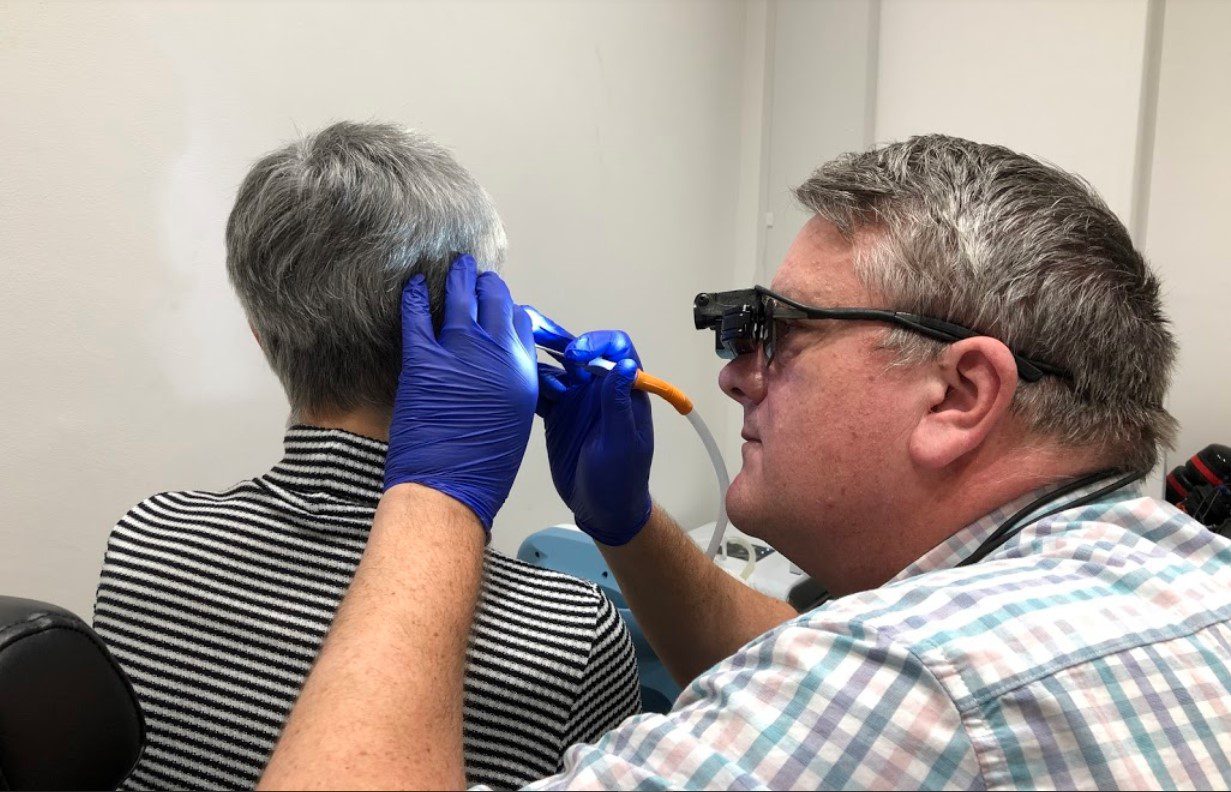
Ealing — private microsuction ear wax removal (W5)

East Finchley — private microsuction ear wax removal (N2)
Edgware — private microsuction ear wax removal (NW4)

Enfield — private microsuction ear wax removal (EN1)
Finchley — private microsuction ear wax removal (North London)
Hastings — private microsuction ear wax removal (TN34)
Hendon — private microsuction ear wax removal (NW4)
Hythe — private microsuction ear wax removal (CT21)
Kingston — private microsuction ear wax removal (KT6)
Mill Hill — private microsuction ear wax removal (NW4)
Milton Keynes — private microsuction ear wax removal (MK2)

Muswell Hill — private microsuction ear wax removal (N2)

Oxford — private microsuction ear wax removal (OX2)
Reading — private microsuction ear wax removal (RG30)
Surbiton — private microsuction ear wax removal (KT6)
Contact details, feedback routes and complaints process
If you need to contact a practice directly every listing provides phone, email and website details and often indicates expected response times for bookings and clinical queries. We recommend contacting the clinic first for appointment changes or clinical clarifications, and we list escalation routes if you remain dissatisfied, including complaint officers and the relevant regulators. Clear contact and complaints procedures improve the patient experience and ensure concerns are handled promptly and professionally.
- When offering positive feedback, name the clinician and explain what went well, this helps clinics recognise staff and maintain high standards.
- If a clinical issue cannot be resolved locally, submit a formal written complaint to the clinic and ask for confirmation of receipt plus an expected timeline for investigation and a formal reply.
- For service level concerns such as long waits or booking problems, request a service improvement plan from the clinic, this may include alternative clinic suggestions or fast track options where clinically appropriate.
- Patients may contact professional regulators such as the General Medical Council or Health and Care Professions Council for matters concerning professional conduct or fitness to practise, include registration details when making a report.
- Keep records of all correspondence and dates, these notes help with investigations and are useful if you escalate a complaint to an external body.